
Last updated November 24, 2026
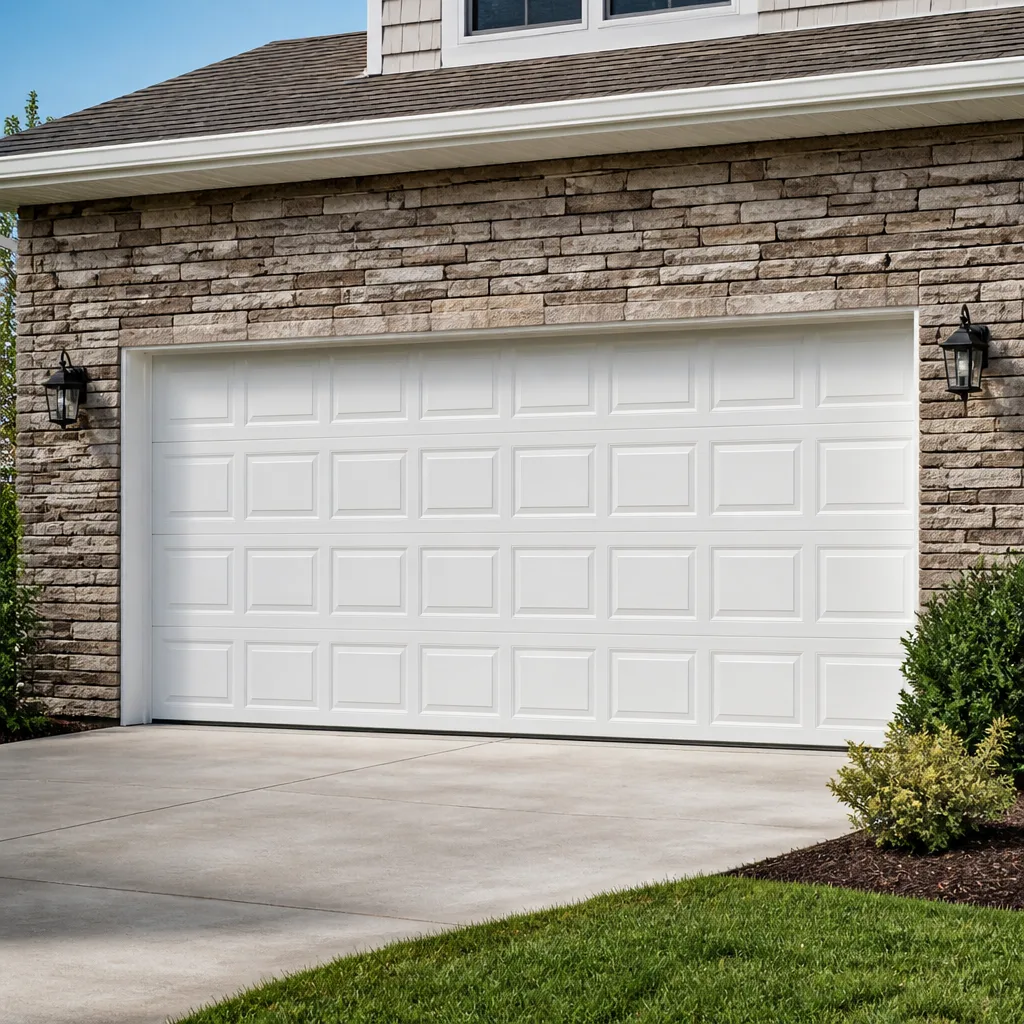 Raised-panel steel
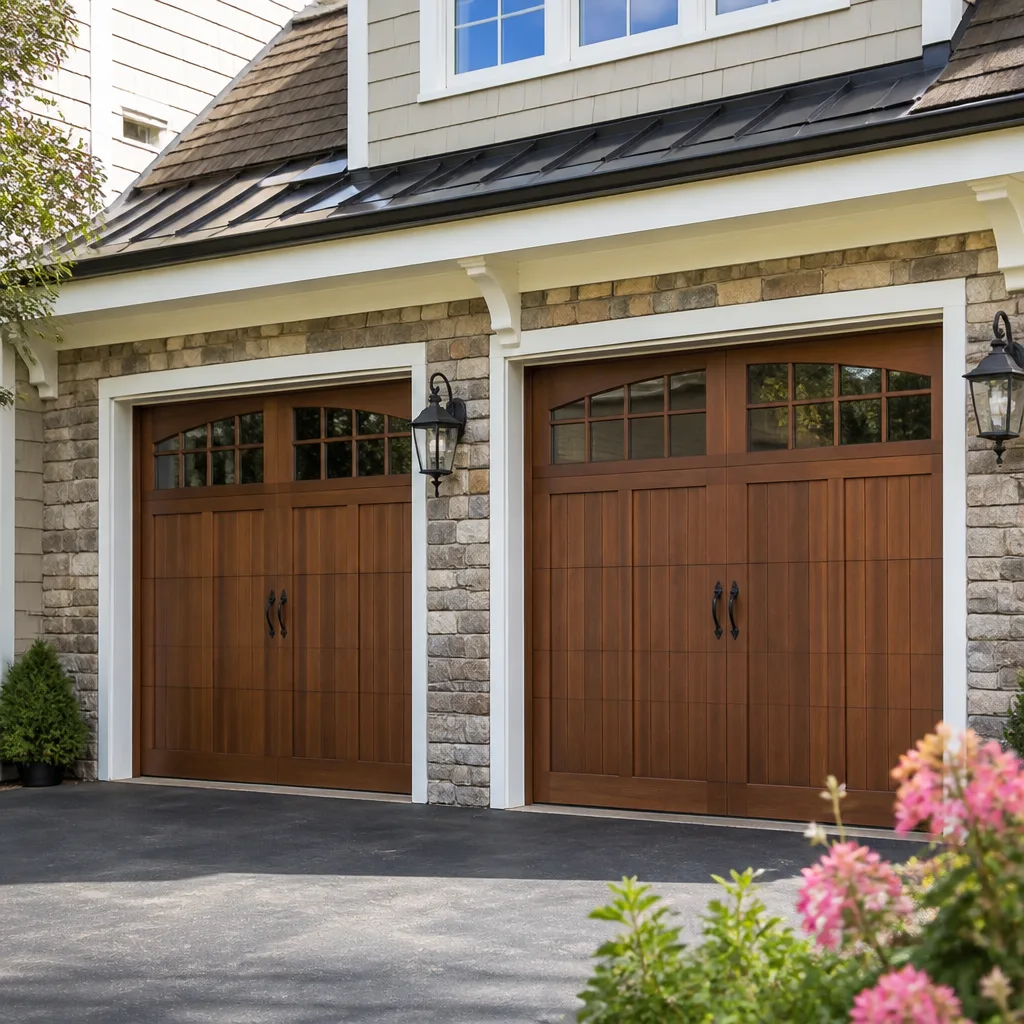 Carriage house
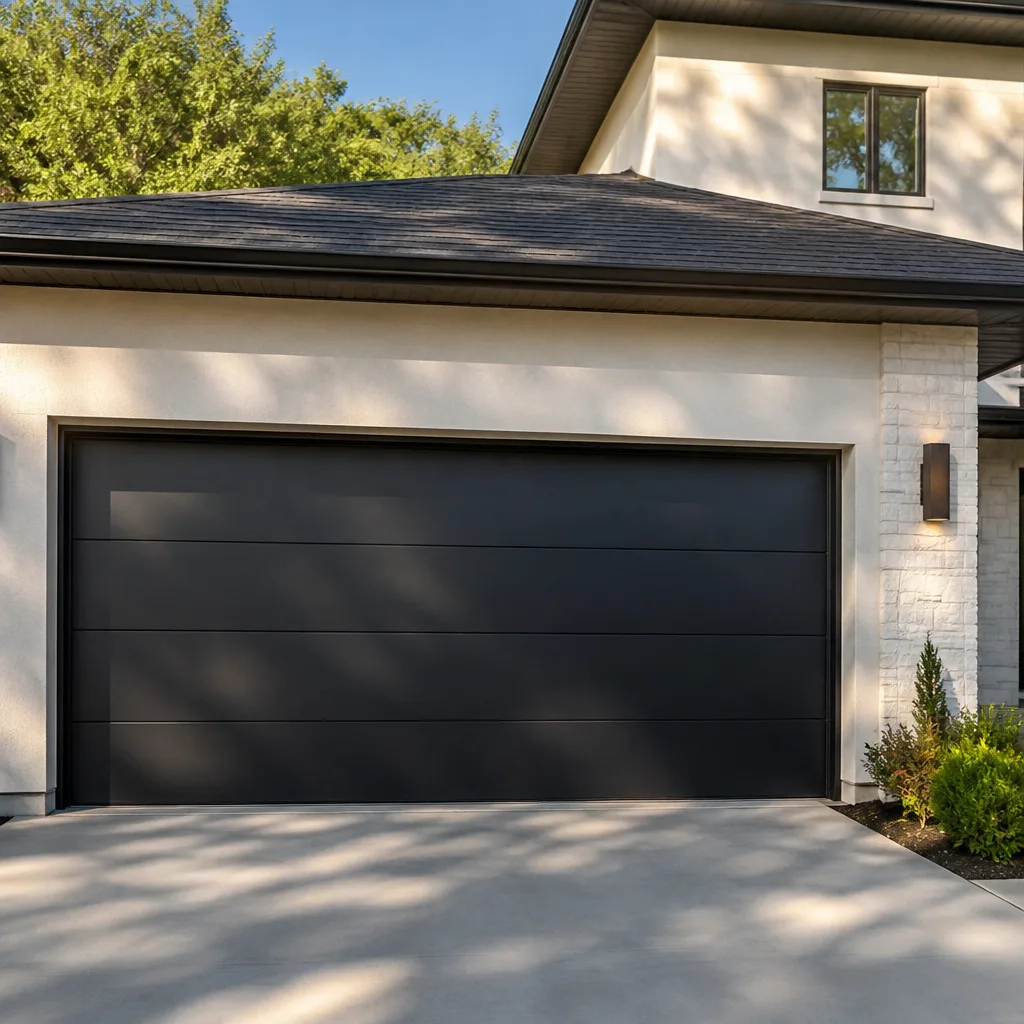 Modern flush
 Full-view glass
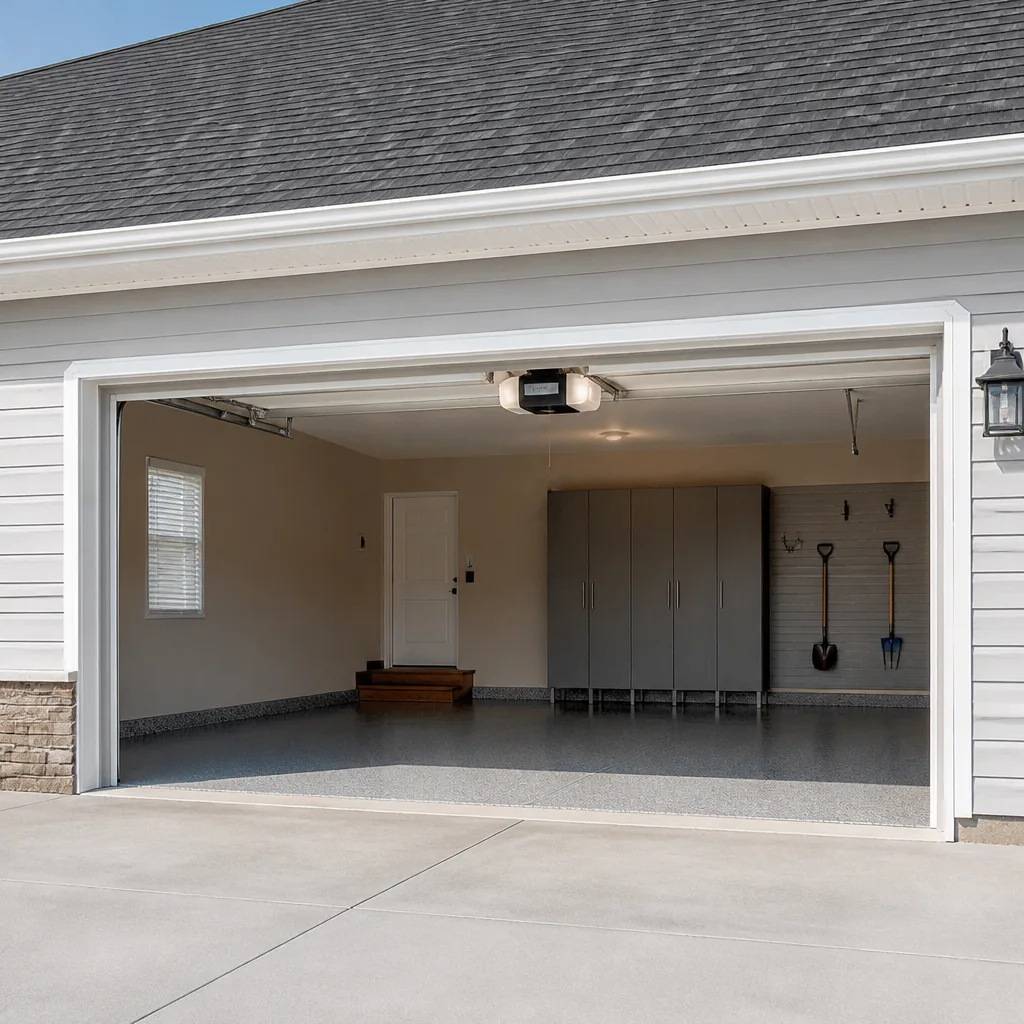 LiftMaster openers
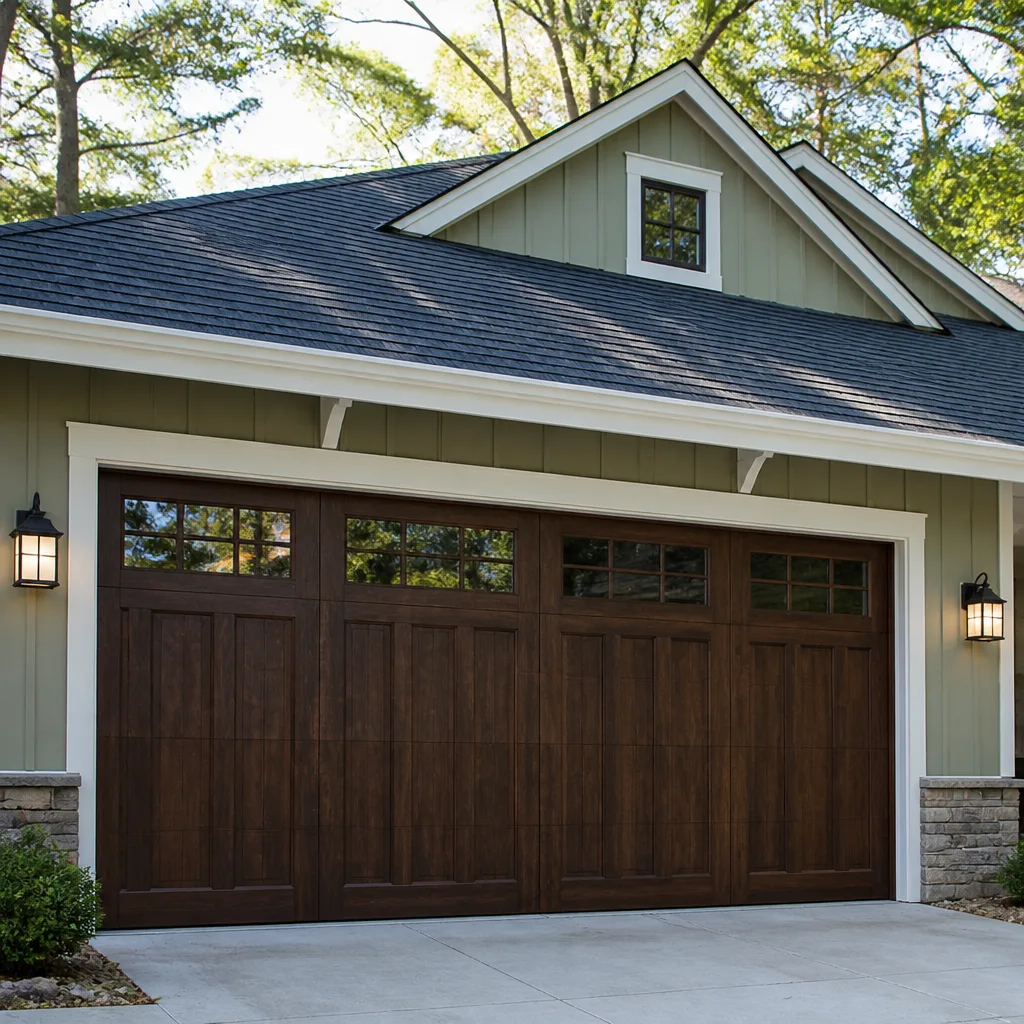 Chamberlain openers
Full 25-point door and opener safety check with every visit - springs, cables, rollers, tracks, and your LiftMaster or Chamberlain opener included
You get a price before we start. It does not change when the pro arrives.
Get your free estimateDIY vs Professional Garage Door: The West Hartford Homeowner’s Decision Guide
The garage door is the largest moving object in most West Hartford homes, and it’s the one piece of equipment homeowners are most tempted to fix themselves. That temptation usually shows up around 9pm on a Sunday, when the door won’t close and a car is parked on the street. Here’s the part worth knowing before you reach for the toolbox: the tasks that break most often aren’t the ones that hurt people, and the ones that hurt people aren’t the ones that look dangerous. This guide separates the genuinely homeowner-appropriate jobs from the ones that involve stored mechanical energy, tells you what a West Hartford repair actually costs, and explains where a DIY fix meets your insurance policy and Connecticut’s registration rules.
Quick Answer
Most garage door problems fall into two groups: safe homeowner jobs (lubrication, sensor alignment, remote programming, bottom seal replacement, safety reversal testing) and jobs that should go to a trained technician (torsion and extension springs, cables, drums, track realignment, opener motor and control board work). Spring and cable work in West Hartford is a safety job, not a skill test. If your door won’t move, the safest and often fastest path is a call to West Hartford garage door repair for a free estimate before anyone touches the system.
Styles & brands we work with
- Raised-panel steel
- Carriage house
- Modern flush
- Full-view glass
- LiftMaster openers
- Chamberlain openers
Table of Contents
- The Task-by-Task Safety and Skill Matrix
- The Physics of Spring Tension, Explained Without a Textbook
- What a DIY Mistake Costs in Connecticut vs. Hiring Out
- The Safe DIY Tasks, Done Right
- Connecticut HIC Registration and Insurance Exclusions
- West Hartford Climate and Your Door System
- Repair or Replace? The Decision Point
- How to Choose a Garage Door Professional in West Hartford
The Task-by-Task Safety and Skill Matrix
Garage doors have a habit of looking like simple machines. They aren’t. A sectional door is a system of springs, cables, drums, rollers, hinges, tracks, and an opener that all have to stay in balance. Break the balance in one place and the load transfers somewhere it wasn’t designed to go. That’s why the useful question isn’t “can I do this?” but “does this task involve stored energy or alignment that can fail under load?” Here’s our working split.
Safe for a confident homeowner
- Lubricating hinges, rollers, tracks, and springs (springs get a light spray with a proper lubricant, not a wipe-down).
- Aligning the safety sensors on the tracks near the floor when the door reverses for no obvious reason.
- Programming remotes and keypads, including on LiftMaster and Chamberlain openers, which use a learn button most homeowners can reach.
- Replacing a bottom seal when it’s cracked, torn, or pulling away from the aluminum retainer.
- Testing the safety reversal with a piece of wood on the floor.
- Clearing a track obstruction you can see and reach safely with the door fully open and the opener disconnected.
- Tightening visible hinge and bracket bolts that have worked loose.
Professional territory
- Torsion springs, extension springs, and anything attached to them.
- Cables, drums, and cable tension on either side of the door.
- Track realignment, replacing bent vertical or horizontal track sections.
- Panel replacement where hinges and brackets must be transferred without dropping the door’s balance.
- Opener motor, gear, logic board, and travel-limit work, including brand-specific diagnostics.
- Any situation where the door is hanging or partially off-track after an impact.
If your situation is on the second list and the door is stuck open, call for help rather than trying to force it. Garage door repair is the right category of help, and a trained technician coming to look is faster than a homeowner inventing a solution at 10pm.
The Physics of Spring Tension, Explained Without a Textbook
A garage door can weigh well over a hundred pounds. The springs do almost all the lifting so you don’t have to. On a torsion system, one or two springs sit on a metal shaft above the door and twist as the door closes, storing energy that returns when the door opens. On an extension system, springs run along the horizontal tracks and stretch instead. Both are loaded even when the door is fully down. That’s the part homeowners miss: a broken or relaxed spring isn’t a “safe” state. The system still has to be handled as if it’s under load, because it is.
Why a spring failure is a different class of problem
Think about what a torsion spring actually is. It’s a coil of steel wire, sized to a specific wire gauge and inside diameter, wound a set number of turns to match the door’s weight. The energy stored is the whole point. When the spring fails, that energy is released almost instantly. The classic scenario is a wire snapping or a bar slipping while a person is standing directly in front of the winding cone with their hands on a winding bar. There’s no warning sound and no chance to step back. In our experience, this is the single reason spring repair is a safety job and not a maintenance task.
What the videos don’t show
You can find a dozen videos of someone changing a torsion spring in their garage. What those videos usually skip: sizing the replacement spring to the door’s actual weight and lift, setting the correct number of turns for that spring, and knowing when a door needs a matched pair rather than a single spring. Getting the turns wrong can leave the door “working” while the opener, cables, and drums do more work than they should. That’s not a failure you see immediately; it’s one that shows up a few months later when something else breaks. Sizing also assumes the previous spring was correct in the first place, which it often wasn’t if a prior repair was rushed.
The honest takeaway is this: a homeowner can understand the physics without being able to safely perform the work. That’s not a message about capability. It’s about what’s happening at the moment the spring is under the most tension, and who’s standing next to it.
What a DIY Mistake Costs in Connecticut vs. Hiring Out
Every honest comparison of DIY versus a professional has to include the downside case, not just the sticker price. We’re not going to tell you a DIY spring job will definitely hurt you, and we’re not going to quote a Connecticut ER bill as if it’s a fixed line item. What we can tell you is how the math typically works out when homeowners compare options side by side.
The professional side of the ledger
A trained technician evaluating a spring problem in West Hartford will:
- Weigh and measure the door to determine the correct spring size and turns.
- Confirm whether one spring failed or a matched pair needs replacing together (a pair usually costs about twice a single spring, because they’re replaced as a set).
- Perform the repair with the correct winding bars and safe procedure.
- Check cables, drums, rollers, and the opener afterward so the door’s balance is truly restored.
- Test the door’s safety reversal before leaving.
The estimate you receive up front is the price you pay. That’s the whole point of getting the written number before work starts.
The DIY side of the ledger, honestly
The saved labor cost looks straightforward until you add up the failure cases. Any of the following is plausible for a first-time spring attempt:
- Winding bar slip. The most common serious injury. The bar can whip out of the cone and strike your hand, arm, or face.
- Wrong spring size. The door “works” but runs out of balance, and the opener wears out faster. The replacement spring costs money and so does the opener repair.
- Cable jump or wrap. Getting a cable off its drum during the process can send the door down unbalanced, damaging panels and track.
- Bent track from a door that dropped. Track sections and occasionally panels get replaced as a side effect.
- Time. A first-timer’s spring job can tie up a full afternoon and still end with a call to a technician.
If your door is already in a partially failed state and you want to know what the fix actually looks like, our garage door spring repair page explains what a technician checks. In most West Hartford cases, the professional cost of a spring repair is a predictable number, while the DIY cost is a small number most of the time and a much larger one in the tail cases.
The Safe DIY Tasks, Done Right
A DIY task done in a way that creates the next service call isn’t saving money. These are the jobs we’d genuinely encourage a West Hartford homeowner to take on, with the tools and habits that make them worth doing.
Tools worth owning for garage door upkeep
- A proper garage door lubricant (not WD-40 as a lubricant; it’s a solvent).
- A small step ladder you trust.
- A socket set or nut driver in the sizes your hinges and brackets use.
- A soft brush and a shop vacuum for track cleaning.
- A piece of 2×4 or a similar block for the safety reversal test.
- Your opener’s manual (or the model number), because programming steps vary between LiftMaster, Chamberlain, Genie, and Craftsman units.
Task 1: Lubrication
Once or twice a year, apply a light coat of proper lubricant to hinge pivots, roller bearings, and the torsion springs themselves. Wipe the tracks clean with a dry cloth or soft brush instead of greasing them. Grease in the tracks attracts grit, grit wears the rollers, and worn rollers make noise. Greased tracks are one of the most common self-inflicted problems we see.
Task 2: Sensor alignment
If the door closes partway and reverses for no obvious reason, look at the two photo-eye sensors near the floor on each side. Both should have a steady light facing each other. If one is blinking, it’s either out of alignment, has a smudge on the lens, or something (a broom, a bag of salt) is blocking the beam. Nudge the bracket a fraction at a time and watch the light until it steadies.
Task 3: Safety reversal test
Once a month, place a piece of 2×4 flat on the floor under the door and press close. The door should contact the wood and reverse within a second or two. If it presses down and keeps going, stop using the door and have the opener’s travel limits checked by a technician.
Task 4: Bottom seal replacement
The bottom seal is the rubber or vinyl strip along the lower edge. On most doors it slides out of an aluminum retainer once you loosen a couple of screws at one end. Order the right profile by matching what’s currently there, and slide the new seal in from one end. It takes twenty minutes and stops drafts, keeps water out, and quiets the door against the floor.
Task 5: Remote programming
For LiftMaster and Chamberlain openers, the learn button on the motor head is usually the starting point. For Genie and Craftsman openers, the procedure is often different and may be covered on the motor head’s label. Look up your model number before pressing buttons at random; a wrong sequence can erase all paired remotes and cost you an hour.
If you’re stuck on which model you have, or the opener won’t enter programming mode at all, garage door opener repair is usually the quicker path.
Connecticut HIC Registration and Insurance Exclusions
Connecticut requires home improvement contractors to hold a Home Improvement Contractor (HIC) registration for most residential work. The purpose is consumer protection: it lets homeowners verify who they’re hiring and provides a process when something goes wrong. When you hire a registered contractor to work on your door or opener, the work falls within a documented framework. When you do the work yourself, it doesn’t.
Where insurance exclusions matter
Most homeowners policies are written to cover accidental damage to the home, not negligent work performed by the homeowner or an unverified helper. Two real scenarios:
- A dropped door damages a car in the driveway or a bike against the wall. Depending on how the damage happened, and whether it came from self-performed mechanical work, a claim can hit an exclusion.
- A spring repair goes wrong and a family member is injured. Medical coverage may apply, but any liability coverage tied to the garage work itself is worth reading carefully before assuming it’s covered.
The safest thing a homeowner can do here is read the policy language about “faulty workmanship” and “mechanical systems” and, if anything is unclear, ask their agent directly. For jobs that need a permit, ask the West Hartford building department what’s required and who can perform the work. The rules can vary by scope of work.
What this means in practice
Small, safe, homeowner-appropriate tasks don’t require a permit or a contractor. Spring and cable work isn’t a task where you want to discover an exclusion after the fact. When you hire a registered professional, the work is performed by someone whose business is set up for it. That’s the simplest, most defensible version of the argument. We always tell homeowners that the local pro we connect them with is licensed and insured as their state requires, and that verifying HIC registration is a reasonable thing to ask about before the work starts.
West Hartford Climate and Your Door System
West Hartford gets four hard seasons and a real freeze-thaw cycle in most winters. That pattern does more to a garage door than a lot of homeowners realize, and it’s a big part of why certain jobs land on the professional list.
What our winters do to the hardware
- Spring fatigue. Cycles of cold contraction and warm expansion, plus the door lifting more cold mornings than a milder climate produces, wear springs faster. A torsion spring that’s nearing the end of its life in West Hartford often fails in the depths of winter.
- Seal degradation. The bottom seal takes the most weather exposure of anything on the door. Freezing nights and warm days crack it, and a cracked seal lets meltwater sit against the slab.
- Track movement. Frost heave can shift a slab slightly, and a track that was perfectly aligned in July may sit a fraction off in February. That shows up as a door that binds near the floor.
- Opener strain. Cold grease in the opener’s gear case, or a door running tight because of a fatigued spring, can wear the opener’s gear and motor mount faster.
- Steam from warm cars. A car driven home from a wet West Hartford road and parked in a cold garage is a moisture source. That moisture can affect painted steel door panels over time, especially along the bottom edges.
What’s still safe to do in the colder months
All of the maintenance tasks above are still safe and still worth doing when it’s cold. The reason to keep at it: a well-lubricated, well-sealed door is easier on the springs and the opener than one that’s been neglected from October to April.
Neighborhood context matters a little. Homes in Elmwood and the West End, with older doors and older openers, tend to have more brand-specific quirks than newer doors in Bishops Corner. The neighborhoods around Blue Back Square and West Hartford Center have plenty of both. The point isn’t which neighborhood you’re in; it’s that the door and opener you inherited deserve a real assessment before the next hard failure.
Repair or Replace? The Decision Point
At some point the question stops being “do I fix this myself?” and becomes “is it time to replace the door or the opener?” That’s a decision worth making on facts.
Repair is usually the answer when:
- The panels are straight and the paint is intact, but a spring, cable, or roller has failed.
- The opener works but one component (remote, sensor, travel limit) has failed.
- The door is out of balance and one service visit gets it running correctly.
- A single panel is damaged from a low-speed impact and the rest of the door is sound.
Replacement is usually the answer when:
- Multiple panels have dents or rust through the steel along the bottom edges.
- The door has had three or more spring failures in a decade. That’s a sign the original springs were undersized or the door has been running off-balance for a while.
- The opener is over a decade old, and replacing it is cheaper than repeated board or gear repairs on the same unit.
- You want a matched brand-name door from Clopay, Amarr, Wayne Dalton, or Raynor and a smart opener to go with it.
Installation work isn’t a same-day call. New doors are measured, ordered, and scheduled, and openers are programmed to the door they’re lifting. That’s a good thing: getting the fit right on the first pass is what makes the door last. We work with the brands most West Hartford homes already have, so a replacement doesn’t force you into a system you’re not familiar with.
How to Choose a Garage Door Professional in West Hartford
The choice between DIY and a pro is settled by the task matrix. The next choice is which pro. A general handyman who “does garage doors” is a different category of help from a specialist who works on them every day, because the failure modes are specific to the hardware.
The questions worth asking
- Which brands do you work on regularly? If the answer is “any of them,” ask which ones they’ve diagnosed and repaired most recently. Our technicians work on LiftMaster, Chamberlain, Genie, Craftsman, Clopay, Amarr, Wayne Dalton, and Raynor systems and know each one’s specific trouble points.
- How will the estimate work? You want a written estimate before work starts, not a verbal range.
- What happens if you find something unexpected? A clear answer here tells you a lot about how the job will run.
- Can you handle the opener and the door together? Splitting the job between two vendors usually means the second problem surfaces right after the first one is fixed.
- Is emergency help available? If your door is stuck open overnight, you want to know the answer before that happens, not after.
- Are you registered as a home improvement contractor in Connecticut? A fair question that any reputable professional will answer.
Our technicians have up to 12 years of experience across these systems. That tenure is on the technician side, not the business side, and it shows up most in brand-specific diagnosis: knowing that a Genie opener with a specific symptom usually points to the gear, listening to a Raynor door and hearing that the noise is coming from a roller rather than the spring, catching that a Craftsman unit’s board has failed before someone wastes a diagnostic call on the motor.
Common Mistakes to Avoid
- Winding a torsion spring without winding bars or a second person. The two-bar, roll-the-shaft method is standard for a reason. Doing it with a pipe wrench, a screwdriver, or one hand is the setup for the classic serious injury.
- Replacing one spring when the door needs a matched pair. Torsion springs on a two-spring door are usually installed at the same time and have the same cycle life. Replacing one and leaving the other means the second one is on borrowed time, and the door will run out of balance in between.
- Greasing the tracks. Track grease traps grit, and gritty rollers wear fast. Wipe the tracks clean, not greasy.
- Adjusting the opener’s travel limits to “fix” a binding door. If the door is binding, the problem is the door, not the opener. Making the opener push harder is how gear cases and motor mounts fail.
- Ignoring a slow-reversing door in cold weather. A door that reverses partway in February is a warning that a spring or a sensor needs attention. Waiting until it stops closing entirely is how a $180 job becomes a bigger one.
- Ordering a replacement spring off the door’s model number alone. The correct spring is sized to the weight and lift of the actual door, which a model number doesn’t reliably give you.
- Working on the door while a car or a person is underneath. Whatever the job, the space under a garage door isn’t the place to be standing when it comes off its track.
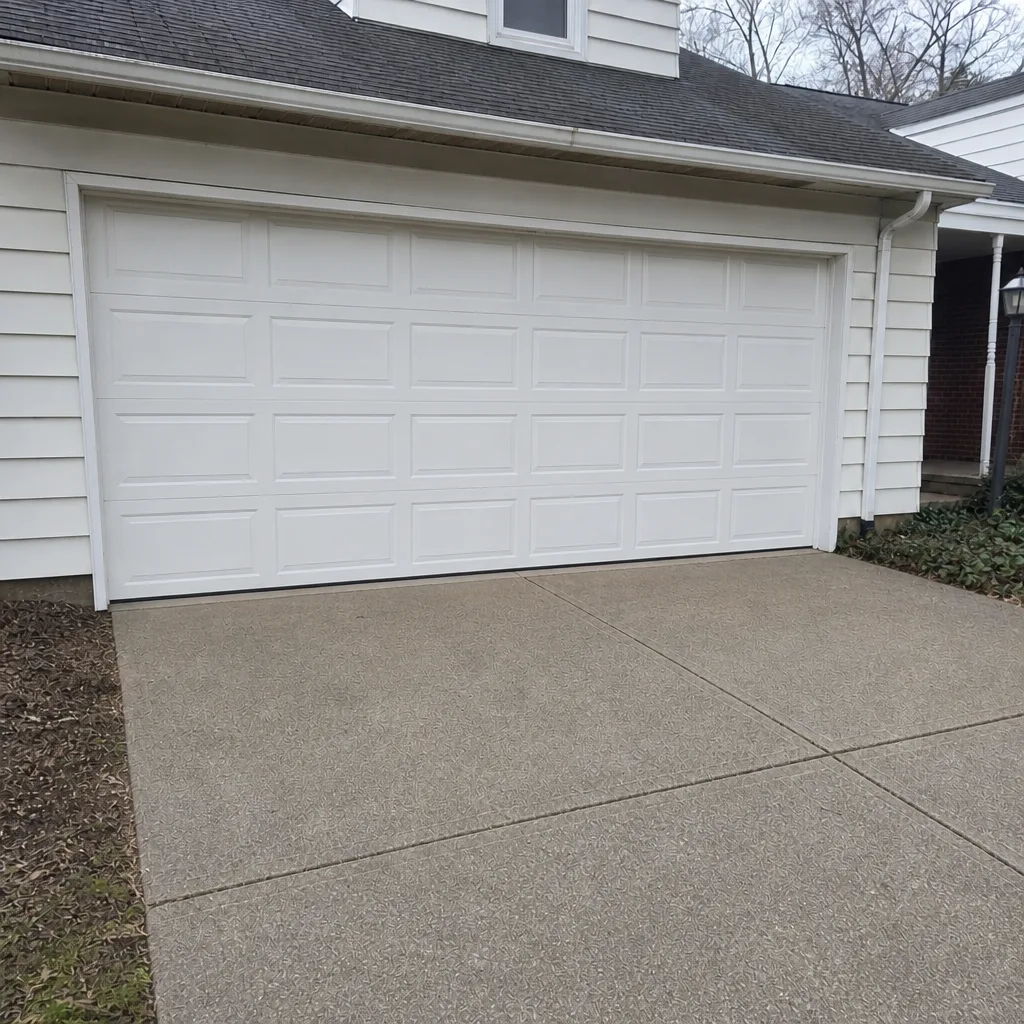
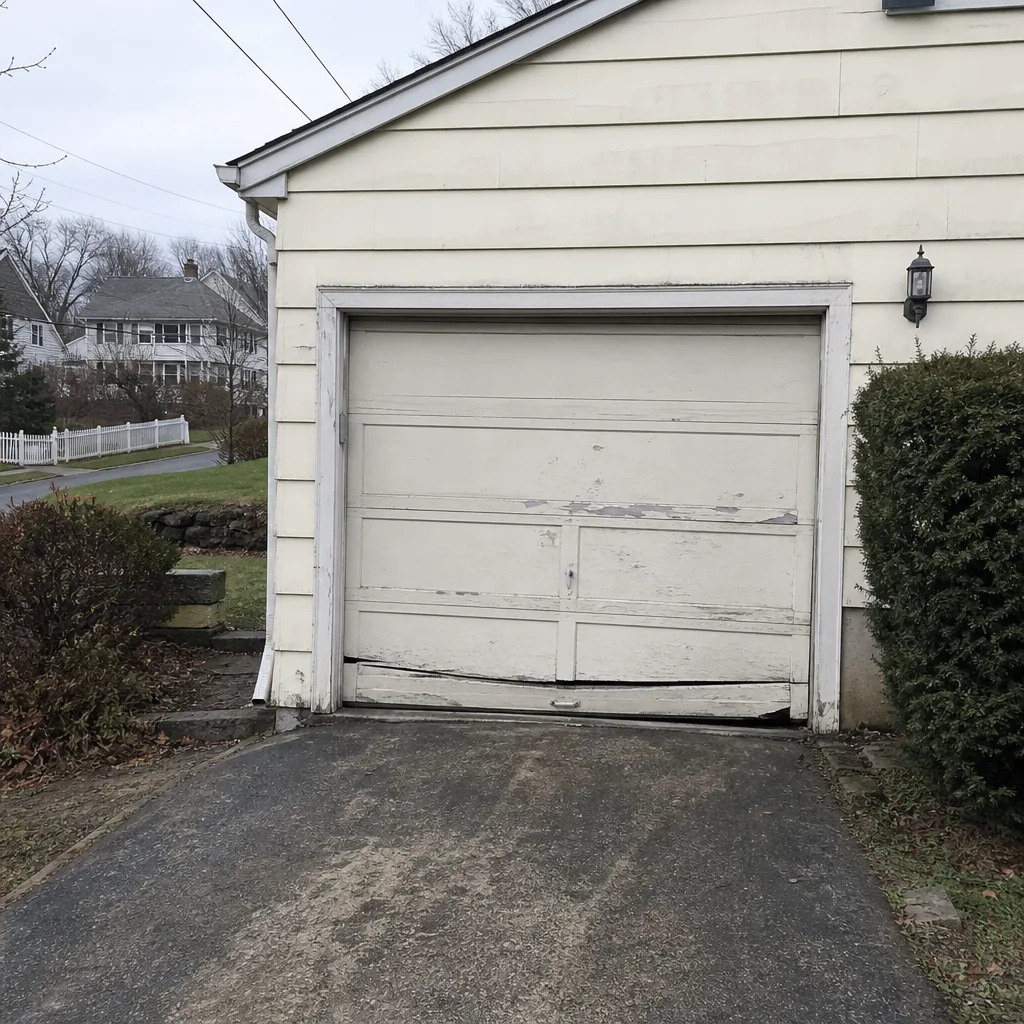
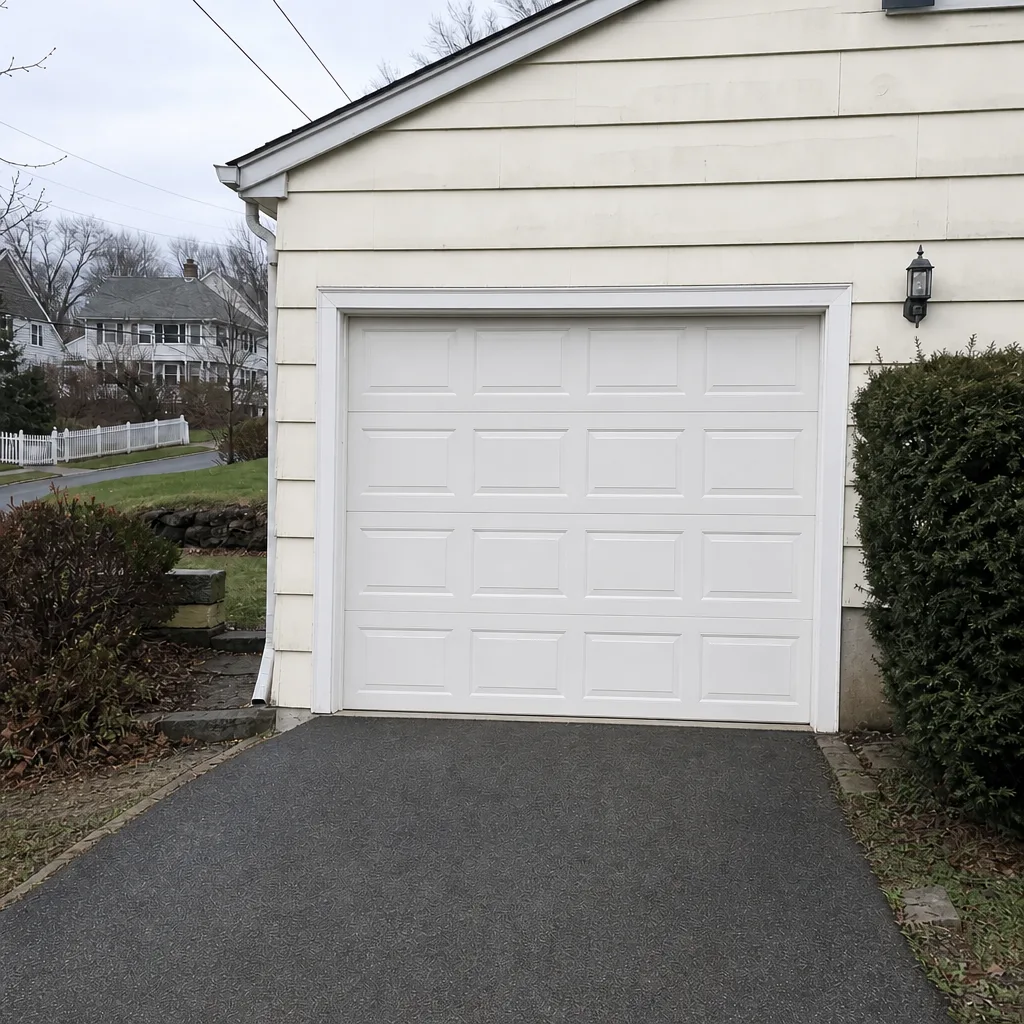
See the difference
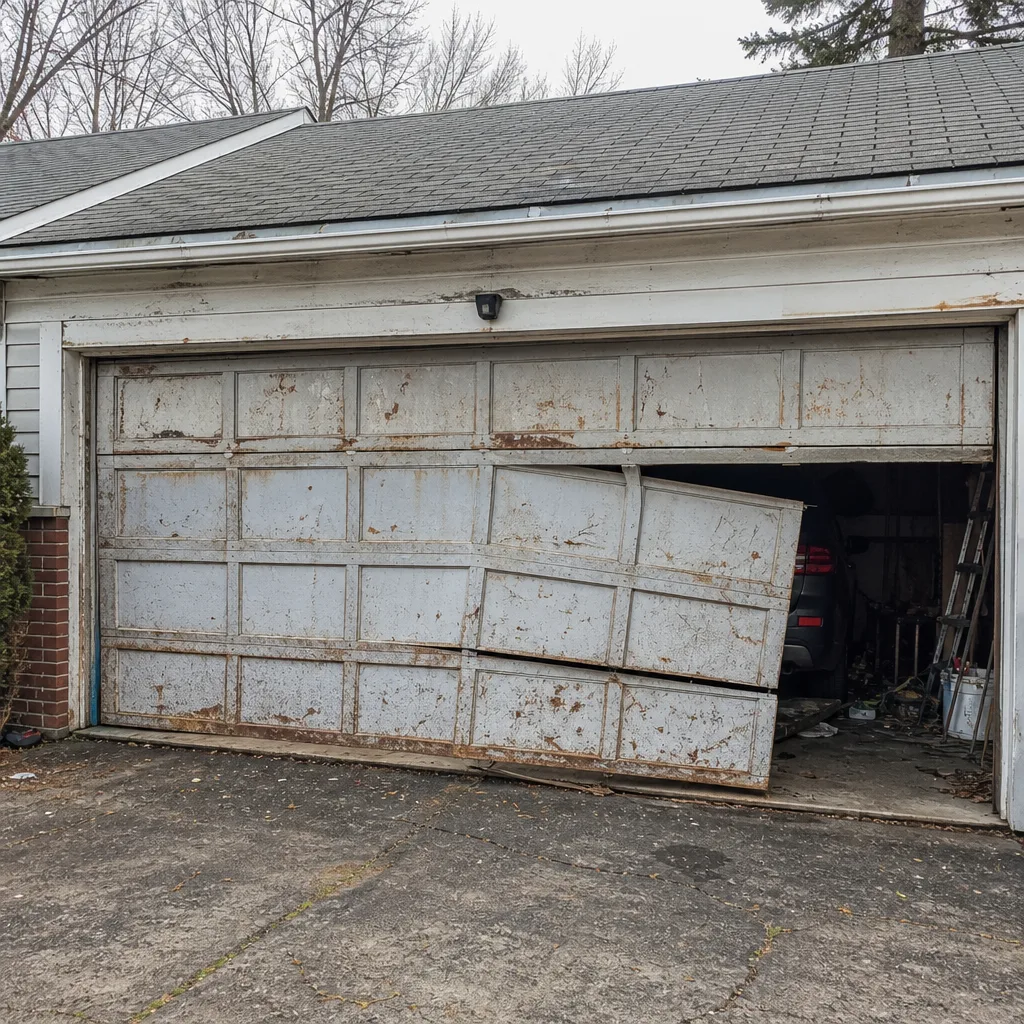 Before
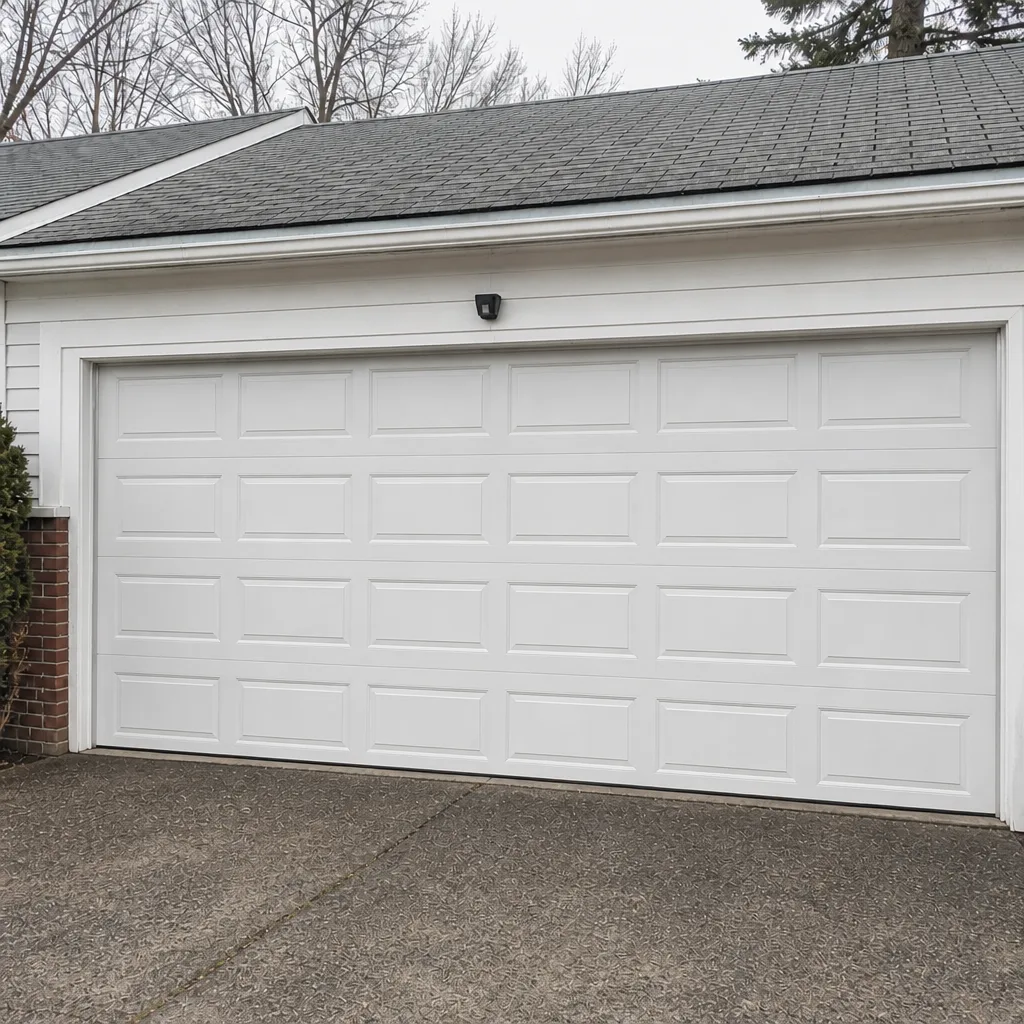 After
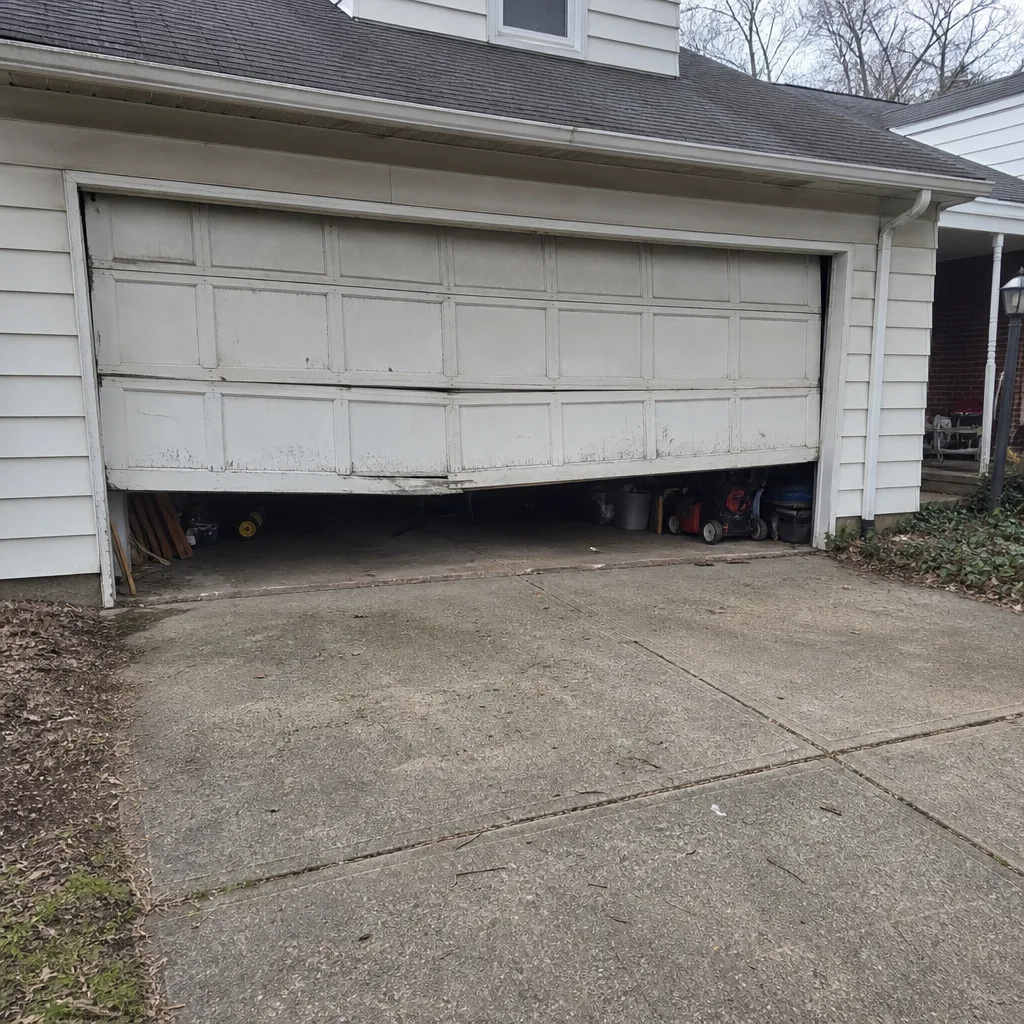 Before
 After
 Before
 After
When to Call a Professional
Call a professional if the door won’t move, if you can hear or see a spring is broken, if the cables are slack or off their drums, if the door has come off its track, if a panel is bent, or if the opener is dead and the safety reversal test fails. Call if the door is stuck open overnight, because an open garage in West Hartford isn’t the security posture most homeowners want to leave in place. And call if you’ve started a DIY repair and reached the point where you’re not sure what to do next; nobody has ever regretted stopping early.
West Hartford Garage Door Repair offers free estimates in West Hartford. Call (855) 814-3469. We answer 24/7. Fast dispatch from 7am to 7pm, Sunday through Friday, closed Saturday. The price is quoted and agreed before any work starts, and the written estimate is the price you pay.
Frequently Asked Questions
You can, but we don’t recommend it. Torsion and extension springs are under load even when the door is down, and a slip during winding can cause serious injury with no warning. The safest option is to have a trained technician size the correct spring, confirm whether the door needs a matched pair, and perform the repair. Call (855) 814-3469 for a free estimate; we do this work every day.
A professional spring repair is a predictable, quoted number, and a matched pair usually costs about twice a single spring because both get replaced together. DIY saves the labor but replaces it with the cost of correct parts and the possibility of a second repair (opener wear, cable damage, bent track) if the spring is sized or wound wrong. Our written estimate sets the final price before any work starts.
Lubrication, sensor alignment, remote and keypad programming, bottom seal replacement, safety reversal testing, and tightening loose hinge and bracket bolts are all reasonable homeowner tasks, and they’re worth doing well. Springs, cables, drums, track realignment, panel replacement, and opener motor or board work belong with a technician. If a task involves stored energy or door balancing, treat it as professional territory.
Often not fully, and it depends on the policy. Many homeowners policies exclude damage from faulty workmanship or self-performed mechanical work, and coverage can be capped or denied when the work wasn’t done by a registered professional. Read the language on “faulty workmanship” and “mechanical systems” carefully, and ask your agent directly if anything is unclear. Hiring a registered contractor keeps the work within a documented framework.
Yes. Emergency garage door service is a real offering for us, not an add-on. When a door is stuck open, the problem is a security one, and we treat it that way. Call (855) 814-3469. We answer 24/7. Fast dispatch from 7am to 7pm, Sunday through Friday. If your call comes outside dispatch hours, it’s booked into the next opening.
Look at the motor head above the door. The brand and model are usually printed on a label there, and the model number is the fastest way to get the right parts. If the label is worn or painted over, a technician can identify it during the visit. We work on LiftMaster, Chamberlain, Genie, Craftsman, and Raynor openers regularly, and the repair path is different for each.
Sometimes. Older doors or openers in neighborhoods like Elmwood and the West End often have quirks that a modern door doesn’t, including legacy hardware that a generalist handyman may not recognize. The right approach is an assessment before any work, not a guess about what the door needs. That’s why our first step is always a proper look at the system as a whole.
A repair call addresses a specific failure (spring, cable, opener component, sensor, track) and is often handled the same day. An installation is a measured, ordered, and scheduled job, whether it’s a new door or a new opener system. We work with Clopay, Amarr, Wayne Dalton, and Raynor doors and LiftMaster, Chamberlain, Genie, and Craftsman openers, so we can match the new system to your home’s existing setup.
The Bottom Line
DIY isn’t a virtue or a vice. It’s a decision that should match the task. Lubrication, sensor alignment, remote programming, seal replacement, and monthly safety tests belong with the homeowner, and getting them right is the single best protection against a bigger repair. Springs, cables, track realignment, and opener internals belong with a trained technician, because the cost of the failure case dwarfs the labor you’re saving. For West Hartford homeowners, the winter cycle, hard freeze-thaw, and older housing stock are reasons to keep up on the safe tasks and to call early on the unsafe ones. If you’re unsure which side a job is on, a five-minute conversation settles it before anyone touches the door.
Call West Hartford Garage Door Repair at (855) 814-3469 for a free estimate. We answer 24/7. Fast dispatch from 7am to 7pm, Sunday through Friday, closed Saturday. Whether it’s garage door repair, garage door spring repair, garage door opener repair, or a new door installation, the price is quoted and agreed before any work starts.
Written by the team at West Hartford Garage Door Repair.