
Last updated November 24, 2026
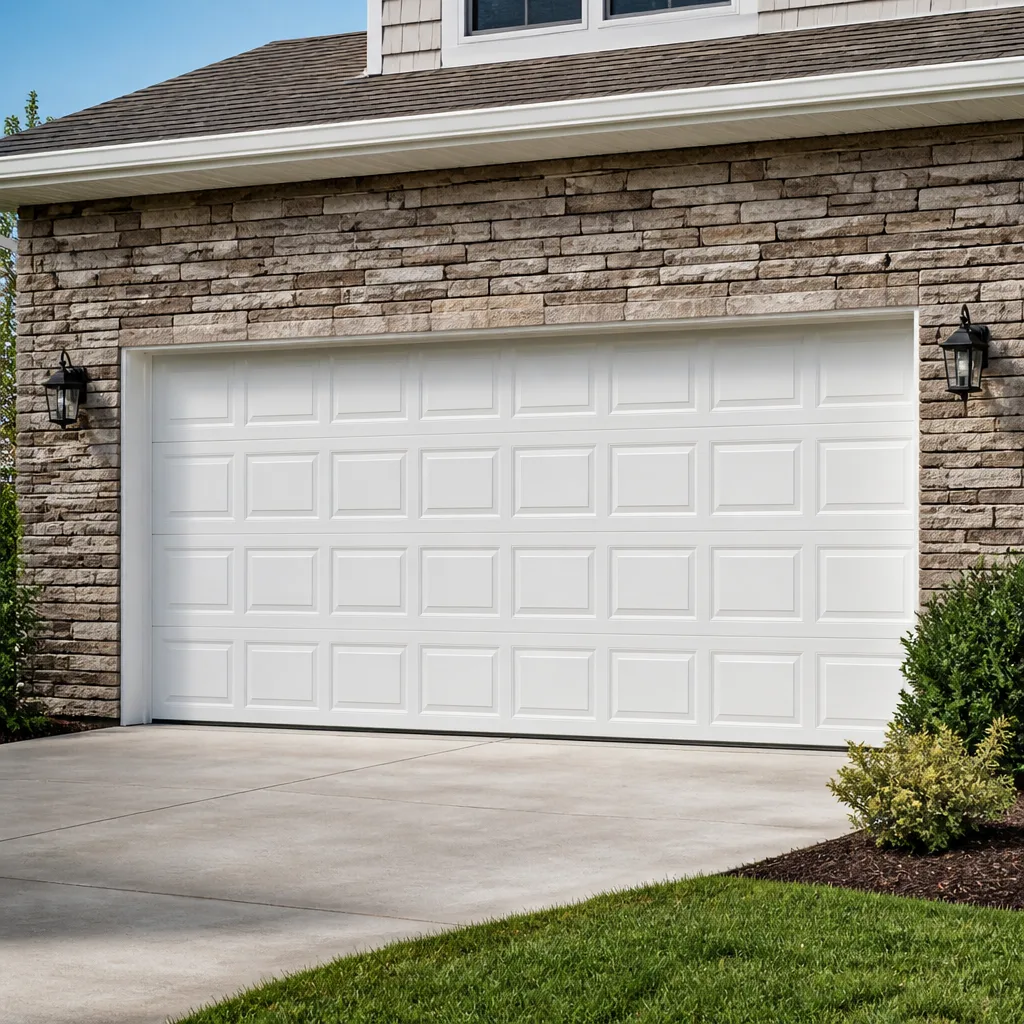 Raised-panel steel
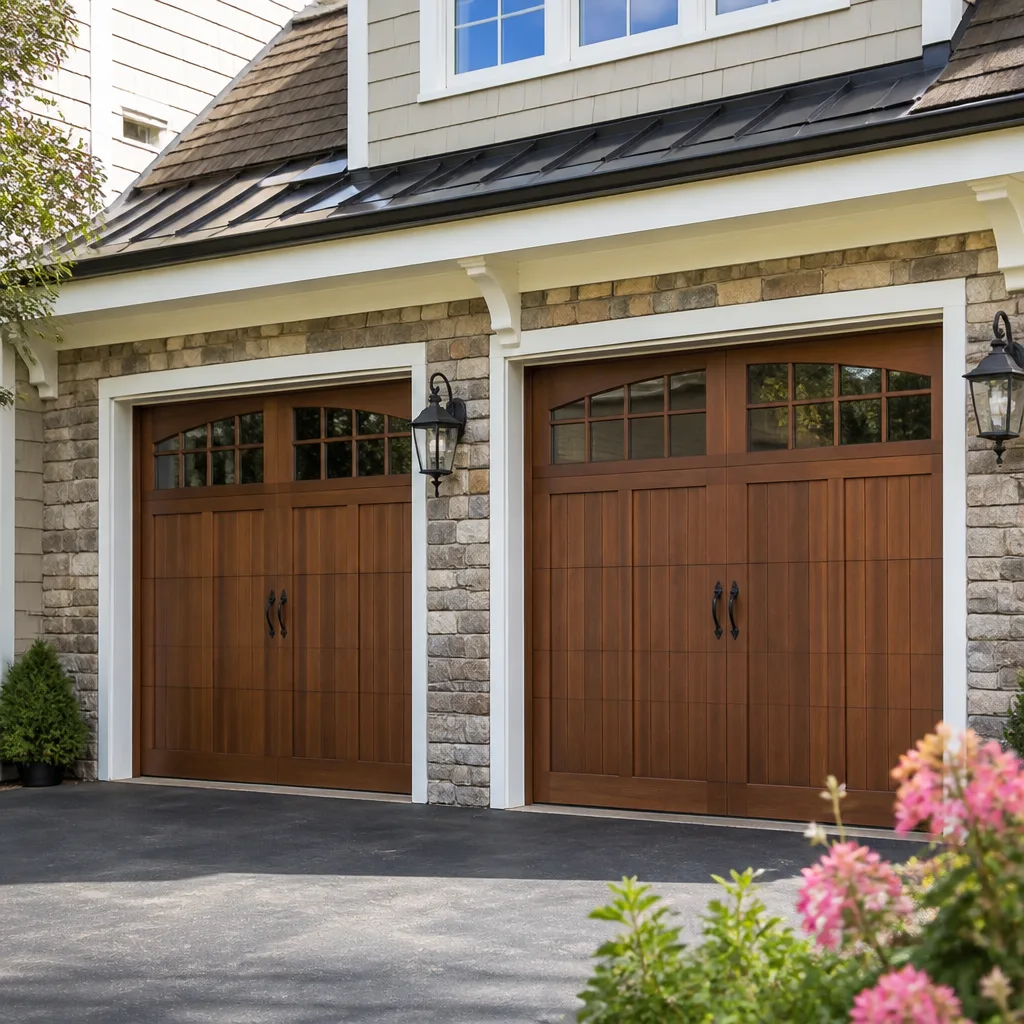 Carriage house
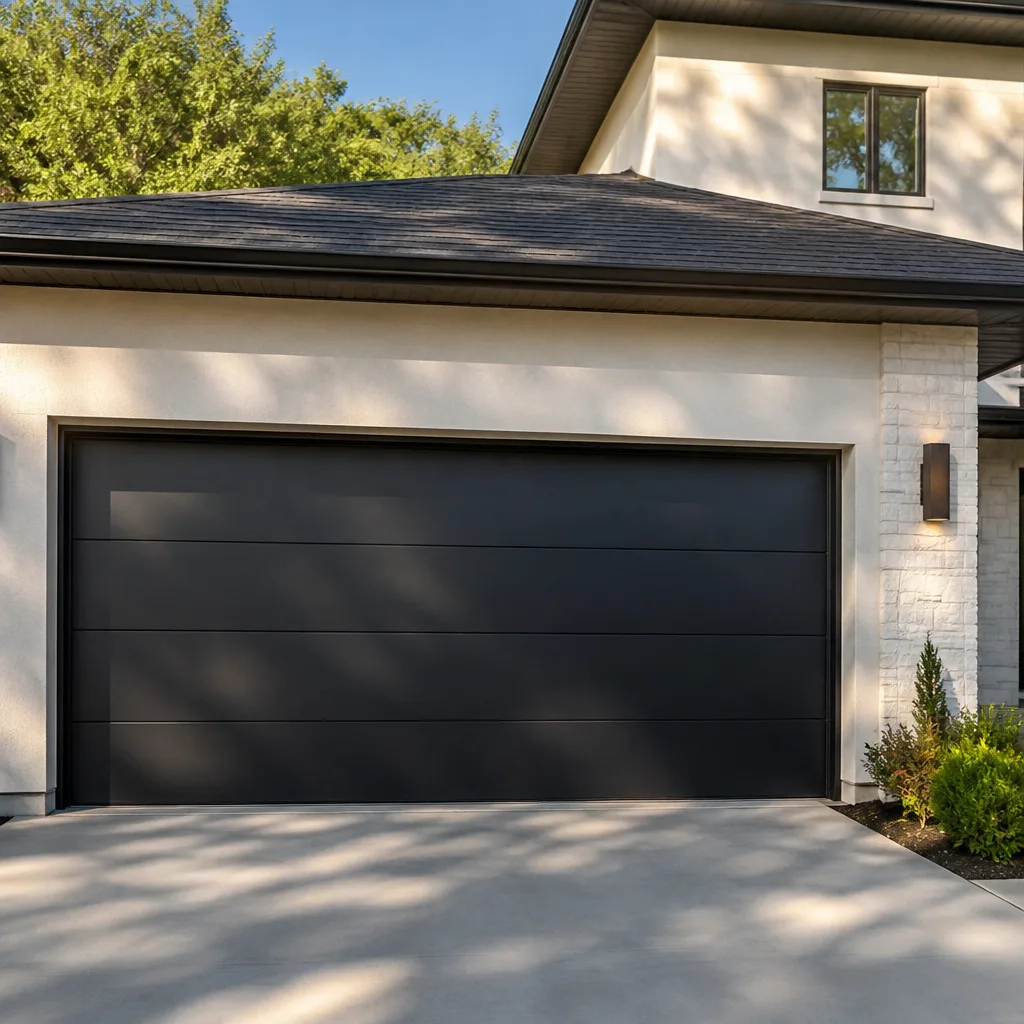 Modern flush
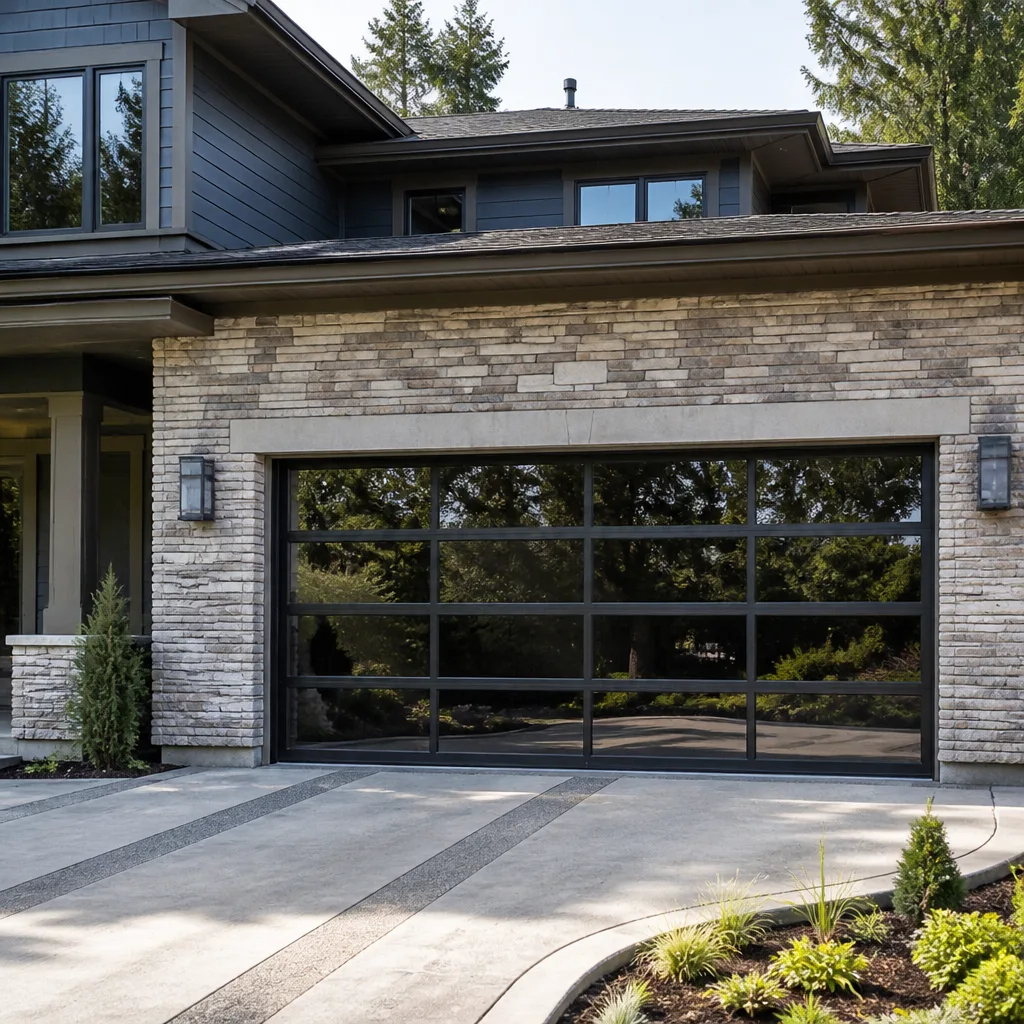 Full-view glass
 LiftMaster openers
 Chamberlain openers
Full 25-point door and opener safety check with every visit - springs, cables, rollers, tracks, and your LiftMaster or Chamberlain opener included
You get a price before we start. It does not change when the pro arrives.
Get your free estimateSeasonal Garage Door Care for West Hartford: Year-Round Homeowner’s Guide
Most homeowners here treat garage door maintenance as a once-a-year checkbox, usually in spring. That’s the wrong rhythm. A garage door in West Hartford doesn’t face one season of stress – it faces four different mechanical problems, and each one peaks at a different point on the calendar. Late October is our busiest stretch of the year, and almost nothing actually breaks in October. What breaks is the stuff that quietly wore out in August, when heat expansion stretched the door and dried lubricant thinned out of the rollers, and the failure only shows up the first morning temperatures drop below 40°F. By then the door is stuck and you’re calling from the driveway. This guide walks through what to do at each transition, what failure modes to watch for, and how to build a maintenance calendar that actually fits a Hartford County home.
Quick Answer
Seasonal garage door care in West Hartford means four distinct task windows, not one annual tune-up: re-lubricate moving parts in early fall before the first freeze, watch for cold-related spring and cable failures through winter, test balance and alignment during the first warm week of spring thaw, and address UV and heat stress on panels, seals and openers through summer. The homeowners who avoid the expensive repairs are the ones who act at each transition – usually 30 to 45 minutes of work, four times a year – rather than waiting for something to break.
Styles & brands we work with
- Raised-panel steel
- Carriage house
- Modern flush
- Full-view glass
- LiftMaster openers
- Chamberlain openers
Table of Contents
- The Fall Transition: Why Late October Is the Highest-Volume Service Window
- Winter Failure Modes in Connecticut: Springs, Cables, and What You’ll Hear
- The Spring Thaw Checklist: Frost Heave, Seals, and the Balance Test
- Summer Tasks Most Homeowners Skip: UV, Opener Heat, and Seal Adhesion
- Building a Four-Season Calendar by Door Orientation
- What Actually Happens to a Dry Roller at 20°F vs. 50°F
- When to Call a Professional
The Fall Transition: Why Late October Is the Highest-Volume Service Window
The first honest cold snap in West Hartford – the morning it drops below 40°F – is when a specific kind of door failure shows up all at once. It’s not that cold weather broke anything. It’s that summer did all the damage and the cold made it visible.
Here’s the mechanism. Through July and August, an unshaded garage door panel can absorb enough heat to expand noticeably against its frame. The metal stretches, clearances tighten, and the lubricant that was applied in spring thins and migrates off the rollers. None of this feels like a problem in August because the door still moves – it’s just working harder than you realize. Then the first real cold arrives, the metal contracts, the worn lubricant that’s left stiffens, and suddenly the door is dragging, hanging, or refusing to close.
That’s why October service volume climbs. The calls aren’t about autumn. They’re the August bill coming due.
The Fall Transition Task List
- Re-lubricate every moving part before the first freeze. Rollers, hinges, the torsion spring, and the bearing plates. Use a garage-door-rated lubricant, not standard household oil and not grease, which traps grit in cold weather. This is the single highest-value thing you can do in West Hartford in October.
- Test the balance. With the door closed, disconnect the opener and lift the door by hand to about halfway. It should stay put. If it drops or springs up, the spring tension is off and you should stop using the door until a technician looks at it.
- Wipe and inspect the weatherseal. Run a hand along the bottom seal and side seals. Any cracking or brittleness gets worse in cold, and a stiff seal is a seal that won’t seal.
- Check the tracks for debris and looseness. A track bracket that vibrated loose through summer becomes a misaligned track after the first freeze-and-thaw cycle.
- Test the opener’s safety reverse. Put a piece of wood on the floor under the closing door. The door should reverse on contact. Do this every fall – a safety reverse that worked in June can fail in November.
- Listen on the first cold morning. Run the door and pay attention to any new sound. The first cold morning is your best diagnostic window of the entire year.
If that sound turns out to be a failed spring, call garage door spring repair before the door gets used again. A door with a broken spring should never be run – the opener will fight the full weight of the door and can burn itself out or tear a bracket loose.
Winter Failure Modes in Connecticut: Springs, Cables, and What You’ll Hear
Winter garage door problems in West Hartford fall into two families, and they sound almost nothing alike. Knowing the difference helps you describe what’s happening when you call, and it helps a technician know what to expect before arriving.
Spring Failure: The Sharp Crack
Torsion springs are wound steel under serious tension. Cold makes hardened steel more brittle, so a spring that’s been slowly fatiguing for months can let go on the first genuinely cold morning. The classic sign is a single sharp crack from inside the garage – loud enough that people often think something fell or that a window broke. Afterward, the door will lift a few inches by hand and stop dead, or the opener will run without moving the door at all.
Extension springs, more common on older doors, fail differently. They usually stretch before they break, and less commonly they’ll swing free with a heavy clang when they go. Either way, a failed spring means the door is now balancing on nothing, and the opener – or you – is trying to lift a door weighing anywhere from 130 to over 300 pounds.
Spring work is the one part of garage door maintenance we won’t walk a homeowner through. The stored energy in a wound torsion spring can release instantly and cause serious injury. This is a trained-technician job, full stop.
Cable Failure: The Snap and Skew
Cables are the second failure family. A cable failing in cold weather usually announces itself as a metallic snap followed by the door hanging crooked – one side low, one side high. You may also see a frayed end near a drum. Where springs fail with the door dead in place, cables fail with the door out of alignment, and the more you run the opener afterward the more damage you do to the tracks and hinges.
If the door is skewed, stop using it. Then call garage door repair and describe which side dropped – that single detail shortens the diagnostic step.
Winter Failure Conditions to Watch
- Doors that face north or sit in wind-shadow stay colder longer and cycle through more freeze-thaw stress on seals and bottom edges.
- Uninsulated garages hit lower nighttime temperatures than insulated ones, which accelerates lubricant stiffening.
- Any door approaching the end of its expected spring life is a coin-flip once temperatures drop. If a spring has visibly rusted, has a visible gap in the coil, or the door has felt heavier than usual, winter is when it fails.
We work on Raynor and LiftMaster systems regularly in this climate, and both handle Connecticut winters well when the moving parts are maintained. Failures are almost always maintenance gaps, not brand weaknesses. When the door won’t move, we move fast – garage door opener repair is available same day for exactly this reason.
The Spring Thaw Checklist: Frost Heave, Seals, and the Balance Test
Most homeowners relax in April. We don’t. The first warm week is the single best testing window of the year, because the ground is moving and the temperature swings show you every alignment problem at once.
Here’s why. Frozen ground expands upward – frost heave – and a garage slab is not immune. A driveway apron or slab that shifts even a quarter inch can throw the bottom of a garage door out of level with the floor. You won’t always see it. You’ll hear it as a scraping bottom edge, or you’ll see a gap at one corner when the door is closed.
The Spring Thaw Checklist
- Run the balance test. Disconnect the opener, lift the door to halfway, and let go. It should hold. If it drifts down, the spring tension has weakened over winter. If it rises on its own, the springs are over-tensioned.
- Look at the bottom seal from inside, with the door closed. Any daylight showing through means the seal is either damaged or the door has gone out of alignment. Winter ice pushed under the door frequently deforms bottom seals in West Hartford, especially on driveways that slope toward the garage.
- Check for a scraping bottom edge. If the door scrapes in one spot only, frost heave has shifted the floor or the door has dropped on one side.
- Inspect the hinges and rollers for winter damage. Salt, road grit, and freeze-thaw cycles are hard on rollers. Rollers that are flat-spotted or wobbling should be replaced before summer heat.
- Re-test the opener’s safety reverse with a piece of wood on the floor.
- Re-lubricate. The fall lubricant has been through cold, grit, and probably some moisture. Spring is the right time to refresh it.
- Check your panel alignment from across the street. A door that’s visibly off-level in April is a door that will be visibly damaged by August.
If the door is out of balance or scraping, that’s a repair call, not a homeowner fix. The balance test itself is safe – it’s done with the opener disconnected and the door barely off the floor – but adjusting spring tension to correct what you find is not.
Summer Tasks Most Homeowners Skip: UV, Opener Heat, and Seal Adhesion
Summer is when the garage door does its quiet damage. Nothing fails loudly in July. Instead, the heat sets up the failure that autumn will reveal.
UV Degradation on Panels
West Hartford summers bring enough direct sun that a south- or west-facing door panel takes real UV exposure. Steel panels with a factory finish handle it well. Painted wood and composite panels fade and chalk, and the paint can fail in sheets over several summers. The early sign is a chalky residue that rubs off on your hand. Address it early with a fresh topcoat before the finish fails entirely – repainting a chalking panel is far less work than repairing one that’s started to absorb moisture at the edges.
Opener Heat Management
An uninsulated garage in August routinely runs 20°F to 30°F hotter than outdoor air. That matters for the opener. Motors generate their own heat while running, and a motor that starts already hot runs hotter, which shortens its life. LiftMaster and Chamberlain openers both have built-in thermal protection that will stop the motor if it overheats, and homeowners often interpret that stop as a failure. It isn’t – it’s the opener protecting itself, and it’s telling you something.
Two things help. First, make sure the opener has clear airflow around the motor head; storing boxes and seasonal gear right up against it traps heat. Second, don’t run the door unnecessarily during the hottest hours, and if the opener stops repeatedly through summer, get it looked at – the thermal cutout is doing its job, but repeated triggering usually points to a worn motor or a door that’s dragging.
Weatherseal Adhesion in Direct Sun
Adhesive-backed weatherseal gets soft in direct sun and slowly peels. A bottom seal that lifted in August is a seal that will leak air, moisture, and pests long before you notice it. Walk along the inside of the door in summer and press the seals back into place, or replace sections that have lost adhesion entirely.
Summertime Checklist
- Wash and inspect door panels for chalk or fading.
- Clear airflow around the opener head.
- Press seals back where they’ve lifted in heat.
- Listen for opener strain – a motor that sounds labored in August is a door that’s dragging.
- Re-lubricate lightly if the door has seen heavy use.
Building a Four-Season Calendar by Door Orientation
A north-facing garage door and a south-facing garage door in West Hartford need almost opposite attention in the same month. That’s not a detail most seasonal guides mention, and it’s the difference between a calendar that works and one that’s a checklist you ignore.
South-Facing and West-Facing Doors
Direct sun exposure means more heat, more expansion cycling, and more UV stress on the panel finish and seals.
- Late spring: Inspect panel finish for chalk or fading. This is your repainting window before summer heat.
- Mid-summer: Check weatherseal adhesion. Sun-softened adhesive peels first on these doors.
- Early fall: Re-lubricate slightly earlier – August heat has dried rollers out more than you think, and you want to be ahead of the first cold snap.
- Winter: Sun exposure reduces snow and ice buildup on these doors, so your bottom-seal risk is lower than a shaded door’s.
North-Facing and Shaded Doors
No direct sun means cooler panel temperatures, more moisture retention, and more ice buildup on the bottom seal and tracks.
- Fall: Priority window for weatherseal inspection. These doors freeze first.
- Winter: Watch the bottom seal and track for ice buildup. Don’t force the door through it – the opener will strain or the seal will tear.
- Spring: Your frost heave risk is higher on a shaded door because the floor takes longer to thaw. Check for scraping.
- Summer: Less UV stress. Shift your attention to moisture – clear debris from tracks and check hinges for rust.
Sample Calendar (Adjust by Orientation)
| Month Window | Task | Why It Matters Here |
|---|---|---|
| Late September | Lubricate all moving parts | Get ahead of the first freeze |
| Late October | Balance test, safety reverse test, seal inspection | Highest-volume failure window |
| December-February | Listen and observe | Catch spring and cable failure early |
| Early April | Balance test, scrape check, bottom seal inspection | Frost heave shows up here |
| May-June | Panel finish inspection, seal adhesion | UV and heat stress start |
| July-August | Opener heat check, seal press-down | Quiet damage window |
What Actually Happens to a Dry Roller at 20°F vs. 50°F
This is the detail most seasonal guides leave out, and it’s the reason fall lubrication matters more than any other task on the list. A garage door roller is a steel shaft inside a bearing, and the lubricant’s whole job is to keep that interface smooth. At 50°F a dry roller still works. It’s louder than it should be, and it’s wearing faster, but it moves. At 20°F the same dry roller behaves differently. The remaining film of lubricant stiffens, the metal contracts slightly, and friction climbs sharply. The roller may stop rolling entirely and start sliding instead, which flat-spots the tread and puts load on the hinges and spring. The door still opens – it just sounds like it’s laboring, and every cycle does a little more damage.
That’s the mechanism behind the late-October call volume. Summer heat dried the rollers out, and the first cold morning is when a dry roller stops being a minor annoyance and becomes a stuck door. A 10-minute re-lubrication in September prevents it. Nothing about this is complicated – it’s the timing that matters, and timing is what most West Hartford homeowners get wrong.
We work on the brand you already have, and we see the same lubrication pattern across Genie, LiftMaster, and Chamberlain systems. Brand doesn’t change the physics. Standing schedule does.
When the door is dragging and the season is wrong for a full tune-up, our team at West Hartford Garage Door Repair can be out the same day. Our technicians have up to 12 years of experience, and certified brand-specific diagnostics for LiftMaster, Chamberlain, Genie, Clopay, Amarr, Wayne Dalton, Craftsman, and Raynor.
Common Mistakes to Avoid
- Treating maintenance as a spring-only task. The spring tune-up is useful, but it’s the fall transition that prevents the October failure wave. Skipping fall in West Hartford means going into winter with dry rollers and thinning lubricant.
- Using WD-40 or household grease on the garage door. WD-40 dries out and leaves you worse off. Household grease traps grit in cold weather and turns into an abrasive paste. A garage-door-rated lubricant is the right product – it’s a low-cost purchase and it makes a real difference.
- Using the opener after a spring has failed. A failed spring means the door is unbalanced, and the opener will try to lift the full weight. That burns motors, tears brackets, and turns a spring replacement into a much bigger repair.
- Assuming the first cold morning is the cause of the failure. The cold morning reveals what summer did. If your door fails in November, the real problem started in August.
- Ignoring a chalking or fading south-facing panel. Once paint fails through to the substrate, moisture gets in and the repair cost changes category. Repaint while it’s cosmetic.
- Not testing safety reverse in the fall. The safety reverse test takes 30 seconds and catches a potentially serious problem. Every fall. No exceptions.
- Forcing a frozen bottom seal. Ice on a north-facing door will tear a seal if you run the opener through it. Break up the ice by hand first.
- Skipping the balance test after winter. The first warm week of April is the only reliable window to test balance before frost heave and thermal settling have shifted the door. If it fails, get it looked at before summer heat.
See the difference
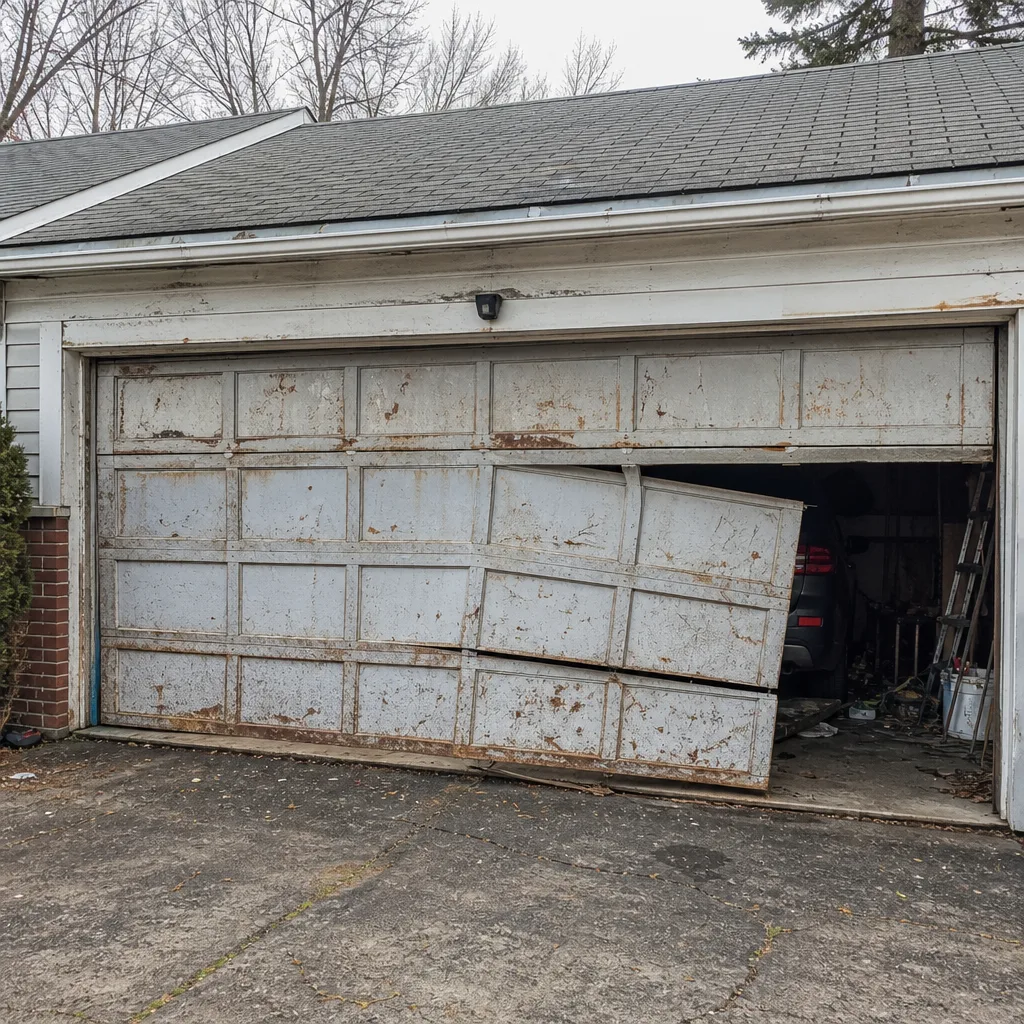 Before
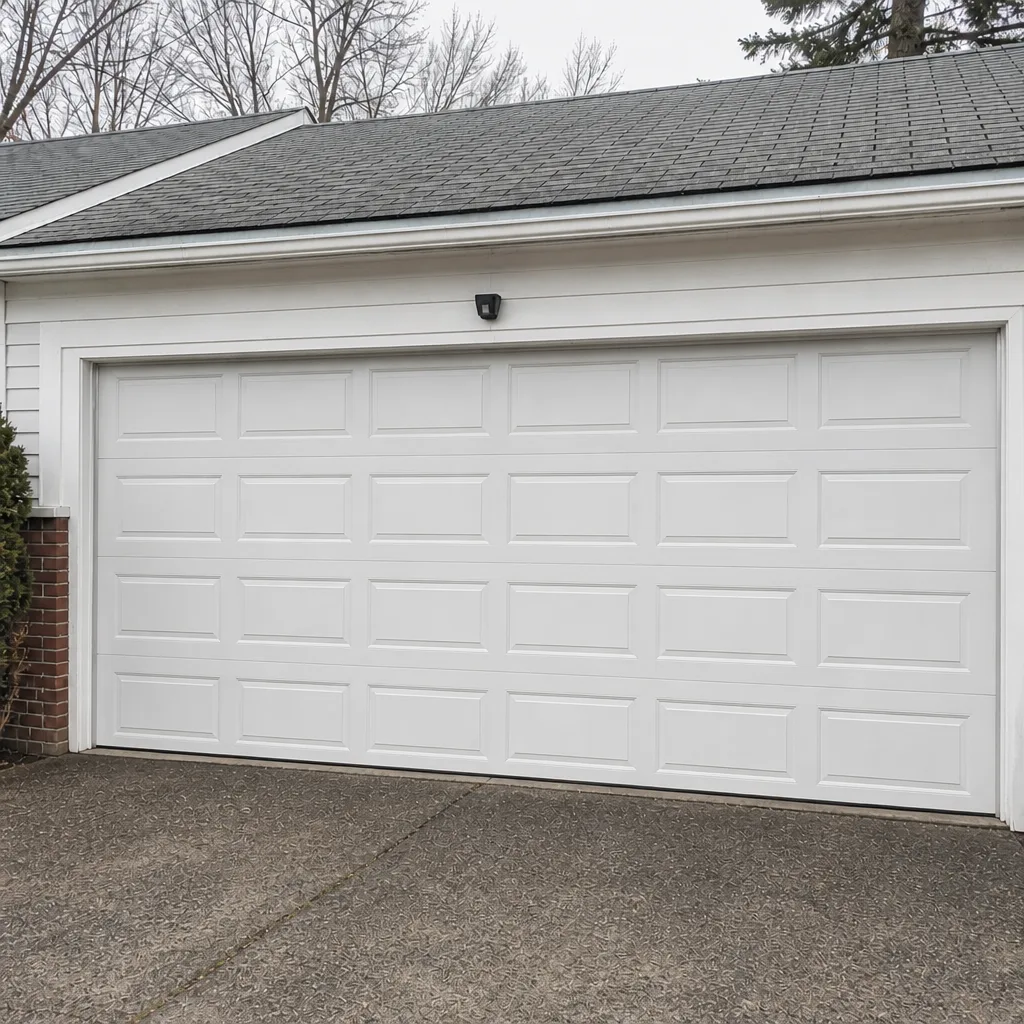 After
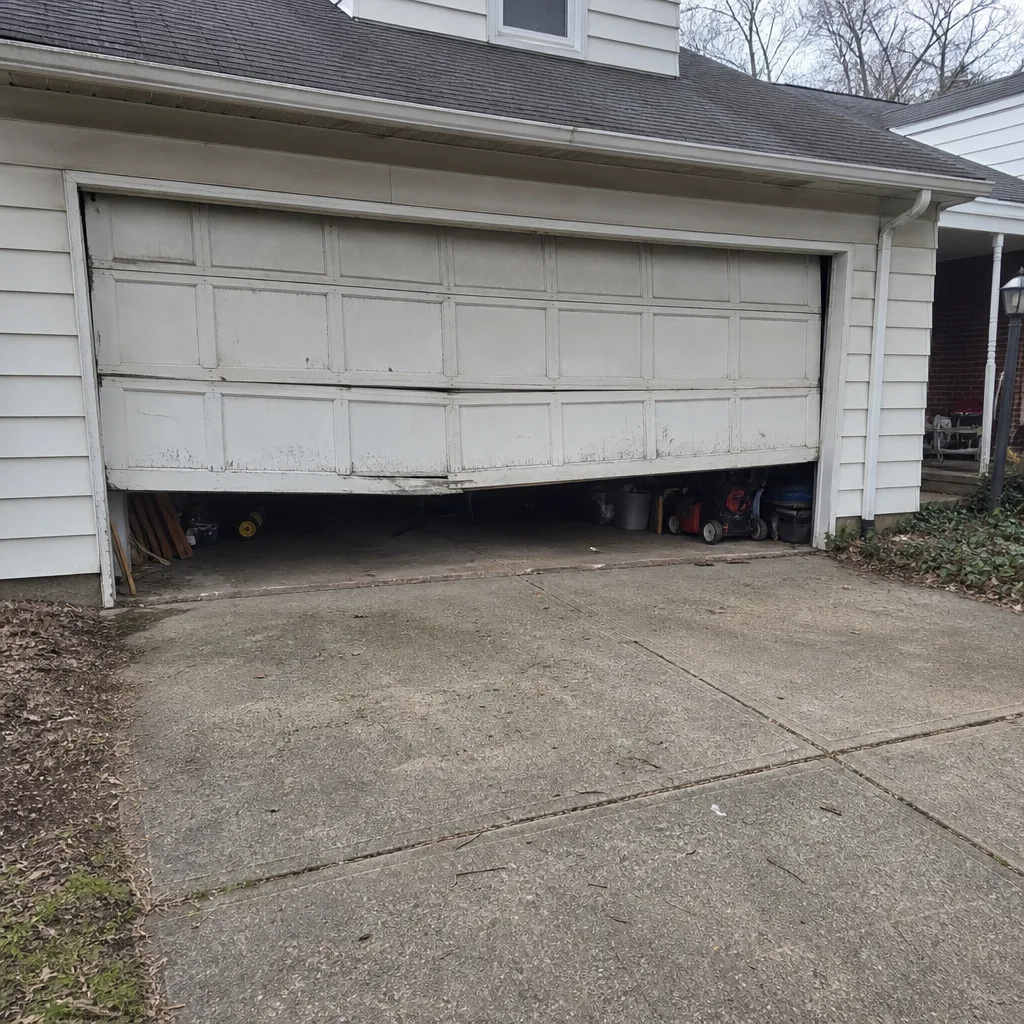 Before
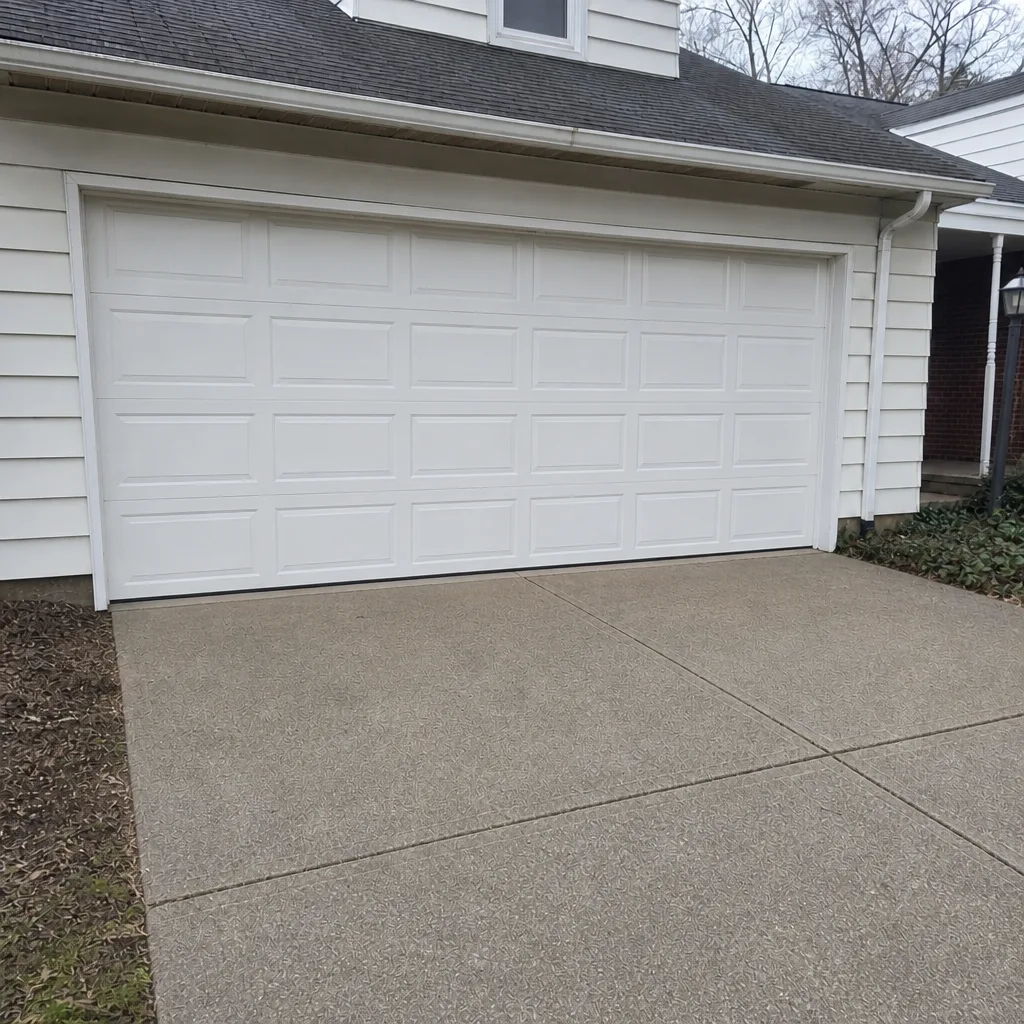 After
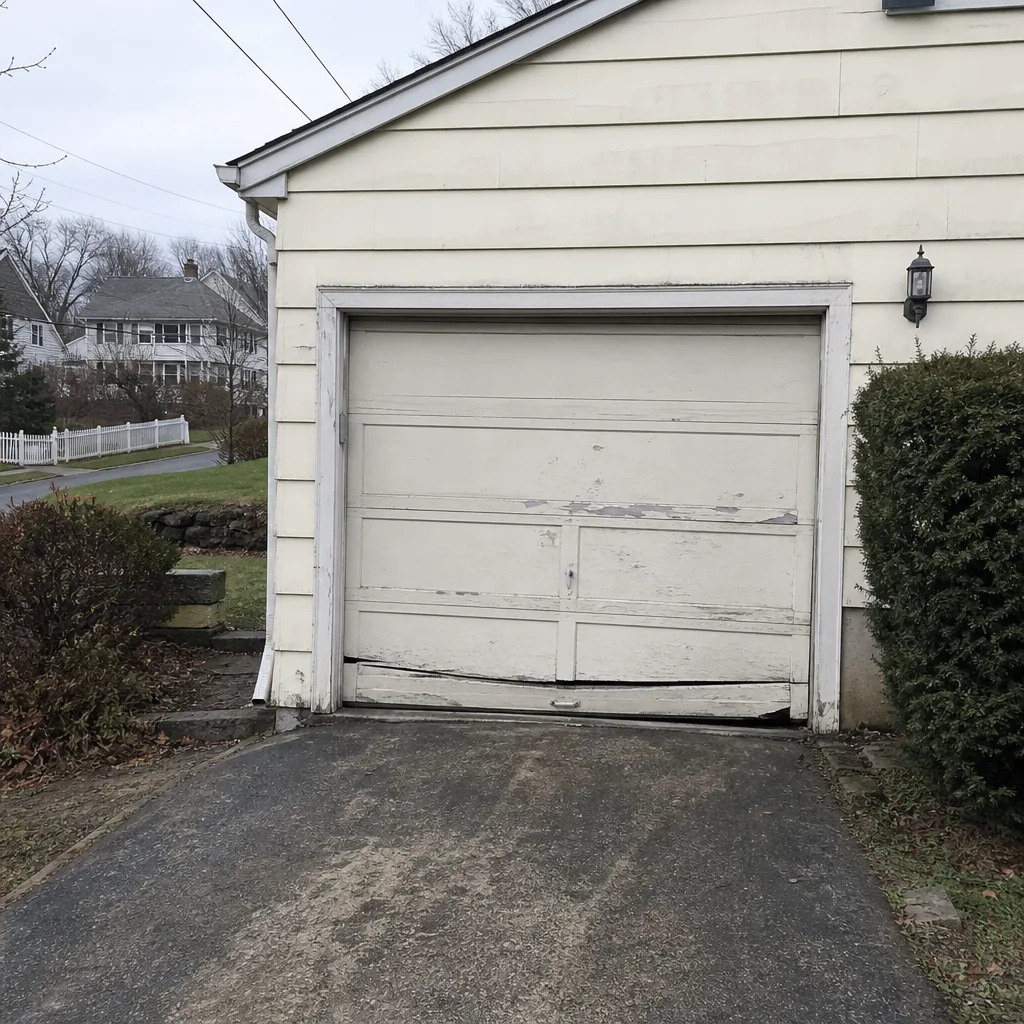 Before
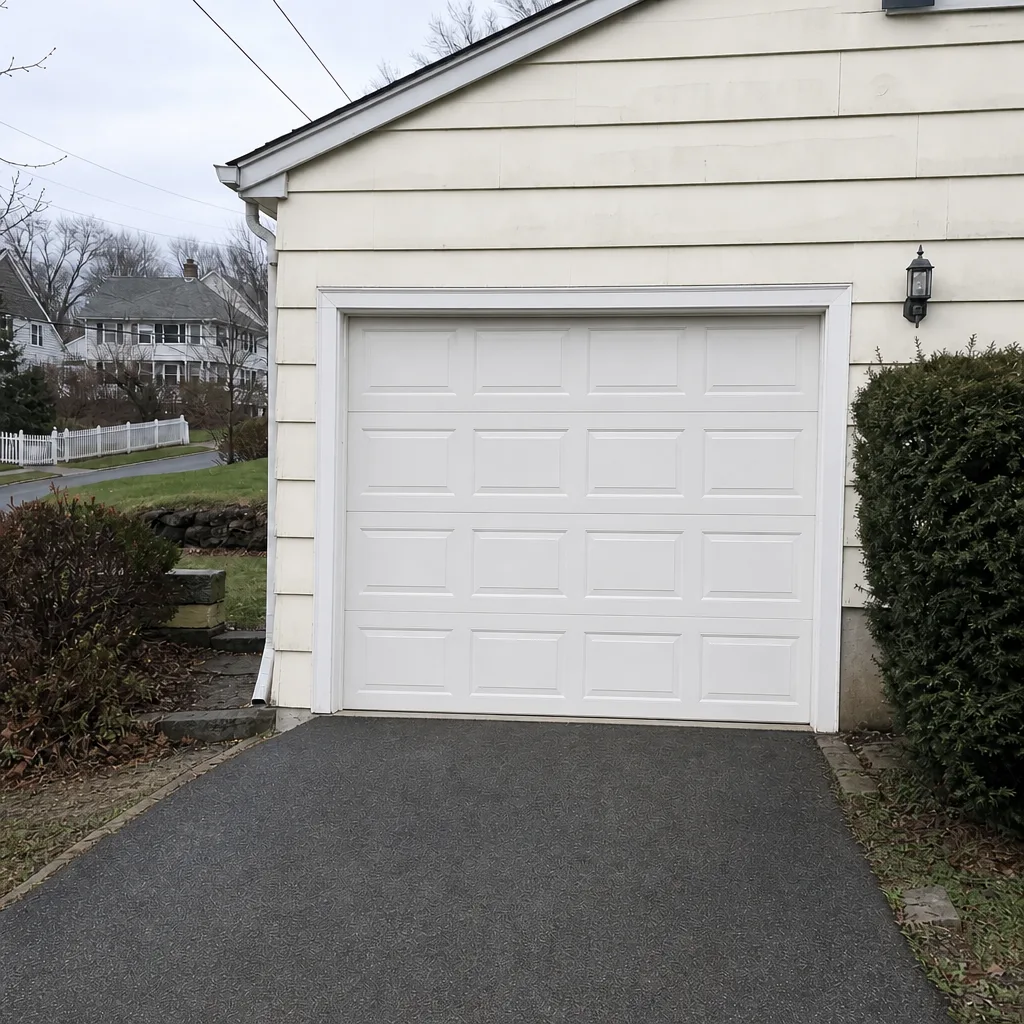 After
When to Call a Professional
Some seasonal tasks are yours – lubricating rollers and hinges, testing the safety reverse, pressing seals back into place, checking for scraping. Some are not, and the line between the two is clear. Call us for a broken spring, a snapped cable, a door that hangs crooked, a door that won’t balance, a scraping that doesn’t go away after the floor thaws, an opener that triggers its thermal cutout repeatedly, or any door that has begun moving differently than it did last month.
Springs and cables are the two categories we won’t walk a homeowner through. The stored force is too high, and the injury risk is real. Everything else – opener strain, seal replacement, bottom seal damage, panel finish – we’ll diagnose and give you a written price before any work starts.
West Hartford Garage Door Repair offers free estimates in West Hartford – call (855) 814-3469. We answer 24/7. Fast dispatch from 7am to 7pm, Sunday through Friday.
Frequently Asked Questions
Late September into October is the single most valuable service window in West Hartford – it’s the point where summer’s heat expansion and dried lubricant meet the first cold snap, and it’s when we see the highest call volume. A second important window is the first warm week of April, when frost heave and thermal settling make balance and alignment problems visible. Spring and summer tune-ups are useful, but they miss the two highest-risk transitions.
Cold weather makes a dry roller stiffen and start sliding instead of rolling, which is audible as dragging, scraping, or a louder groan than you’d hear in summer. Cold contraction also reduces clearances slightly. The single loudest symptom in West Hartford is usually a spring failure – a sharp crack from inside the garage followed by the door not lifting. If you hear that crack, stop using the door and call (855) 814-3469 for spring repair.
Yes, and you should – lubricating rollers, hinges, tracks, and bearing plates is a safe and effective homeowner task. Use a garage-door-rated lubricant, not WD-40 or grease, and apply it at the fall transition (late September) and again in spring. What you should not touch is the torsion spring itself, which is under significant tension and requires a trained technician. If you’re unsure whether something needs attention, call (855) 814-3469 and ask – estimates are free.
The clearest sign is a broken spring: the door feels unnaturally heavy, the opener runs without lifting the door, and you’ll usually hear a sharp crack from the garage. A spring on its way out may run for months before failing, so look for visible rust, a visible gap between coils, or a door that’s been getting harder to lift by hand. Spring replacement is a safety job – don’t attempt it yourself. Call (855) 814-3469 for a free estimate.
Yes. An uninsulated garage sees more extreme temperature swings, which means lubricant stiffens harder in winter and dry, and opener motors run hotter in summer because they have no thermal barrier from the heat. Re-lubricate a week earlier in fall, watch for opener thermal cutout in August, and expect frost heave to show up slightly earlier in spring on an uninsulated slab. None of this requires extra equipment – it’s about timing.
A spring failure usually announces itself as a sharp crack, and the door will lift a few inches by hand and stop dead. A cable failure tends to snap with a metallic sound and leave the door hanging crooked – one side low, one side high. Both are cold-weather failure modes in West Hartford, and both mean stop using the door and call. If you’re not sure which has failed, describe what you see when you call: (855) 814-3469.
The Bottom Line
Garage door care in West Hartford is a four-part rhythm, not an annual chore. Lubricate before the first freeze in late September so the first cold morning doesn’t catch you with dry rollers. Listen through winter for the crack of a failed spring or the snap of a cable, and stop using the door if either happens. Run the balance test during the first warm week of April, when frost heave makes alignment problems obvious. And don’t ignore summer – UV, heat, and seal adhesion all set up the failure your fall check will find. Adjust the calendar by orientation: south-facing doors for UV and seal work, north-facing doors for ice and stability. Thirty to forty-five minutes at each transition, four times a year.
When something fails, or when you’d rather the work go to a trained technician, call (855) 814-3469 for a free estimate. We work on Raynor, LiftMaster, Chamberlain, Genie, and four other major brands, and we handle the whole system – opener to panel, spring to seal. Installed right, built to last. And the written estimate is the price, quoted and agreed before any work starts.
Written by the team at West Hartford Garage Door Repair.