
Last updated November 24, 2026
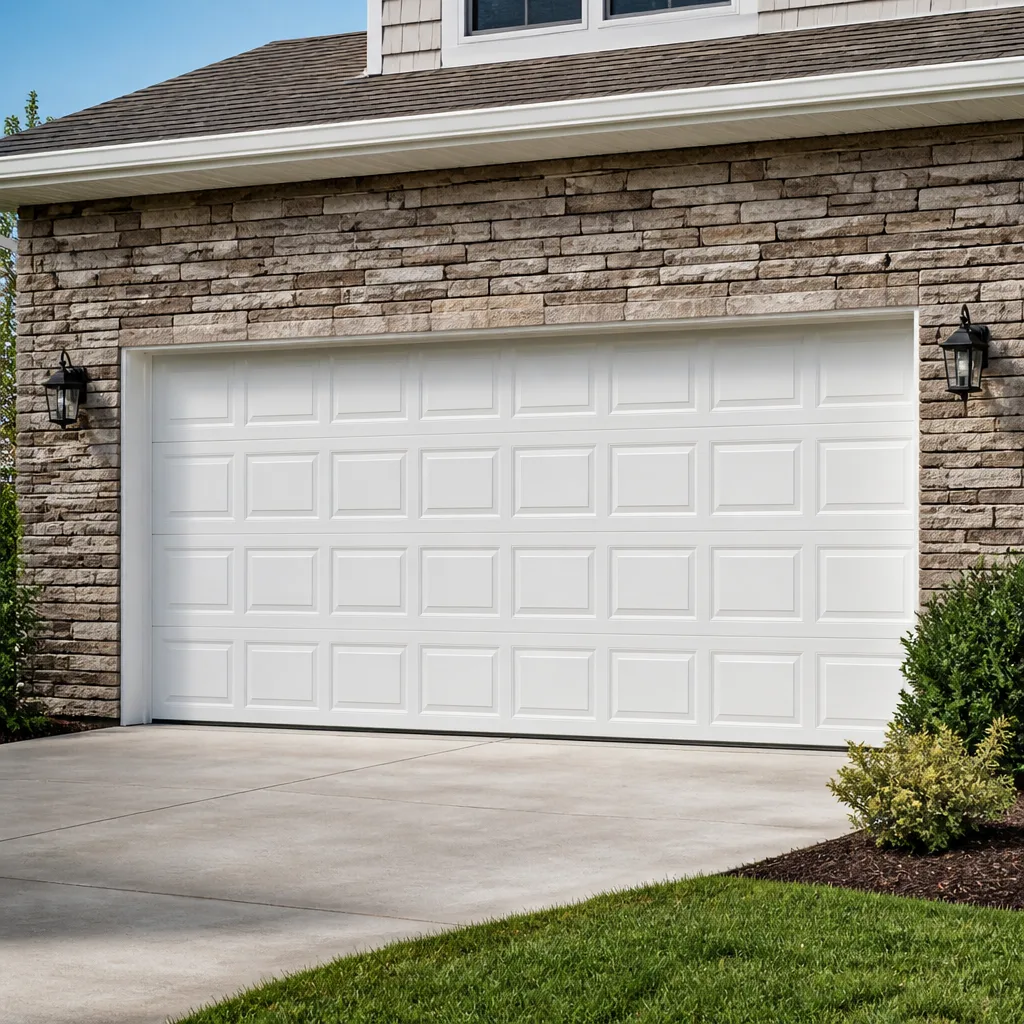 Raised-panel steel
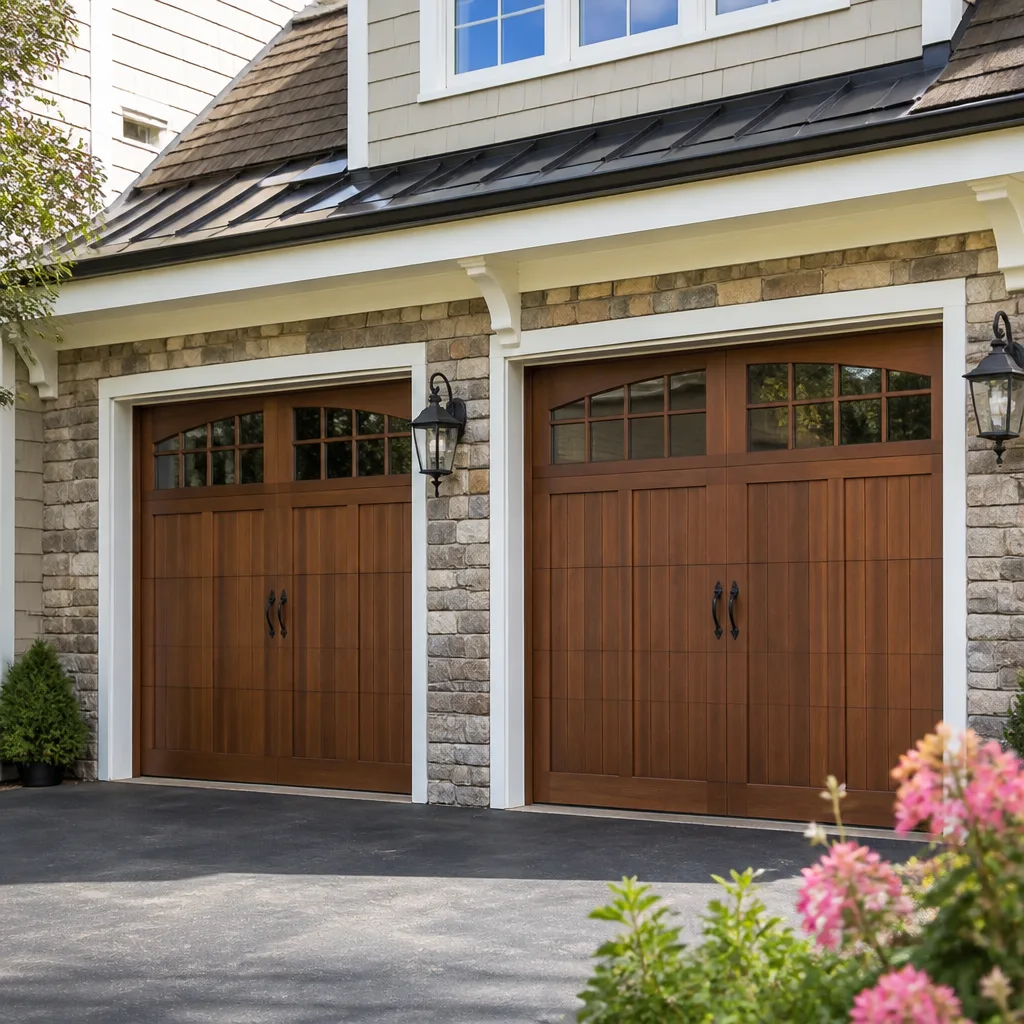 Carriage house
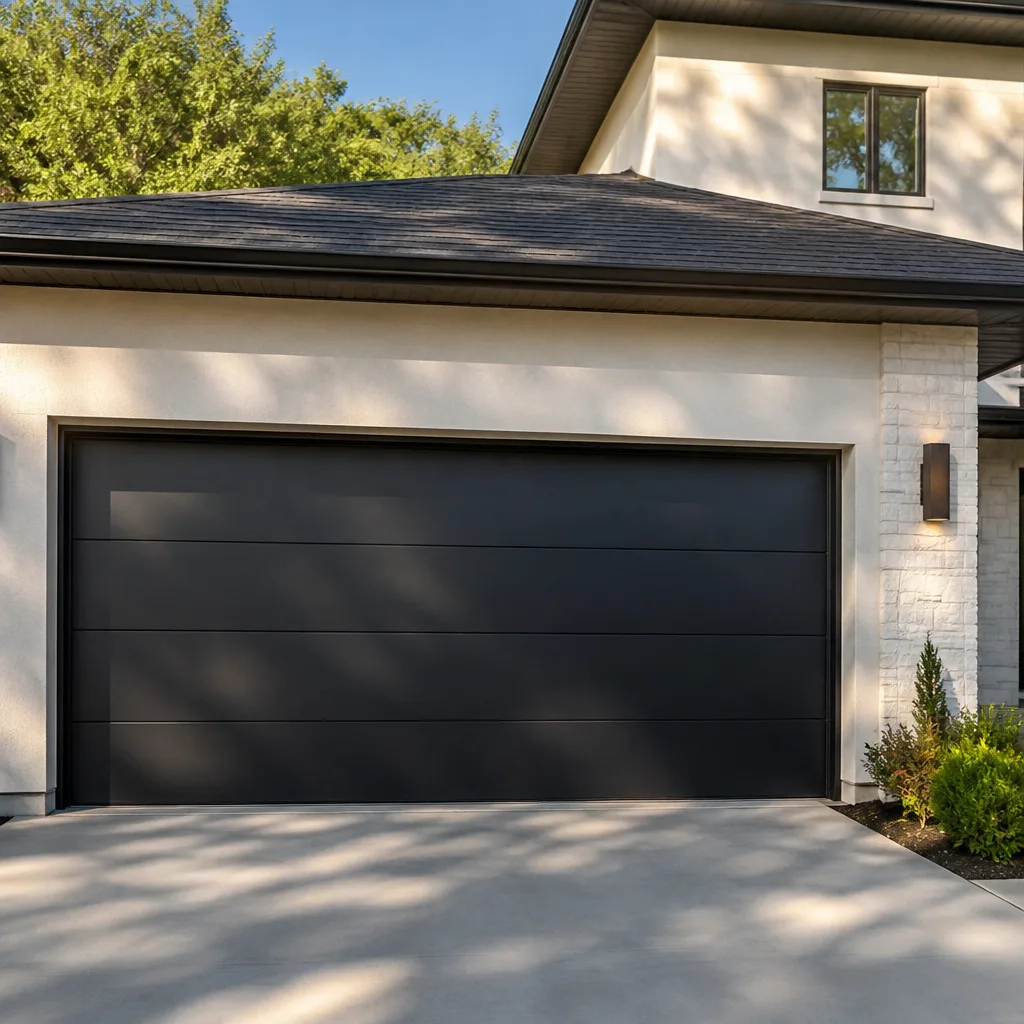 Modern flush
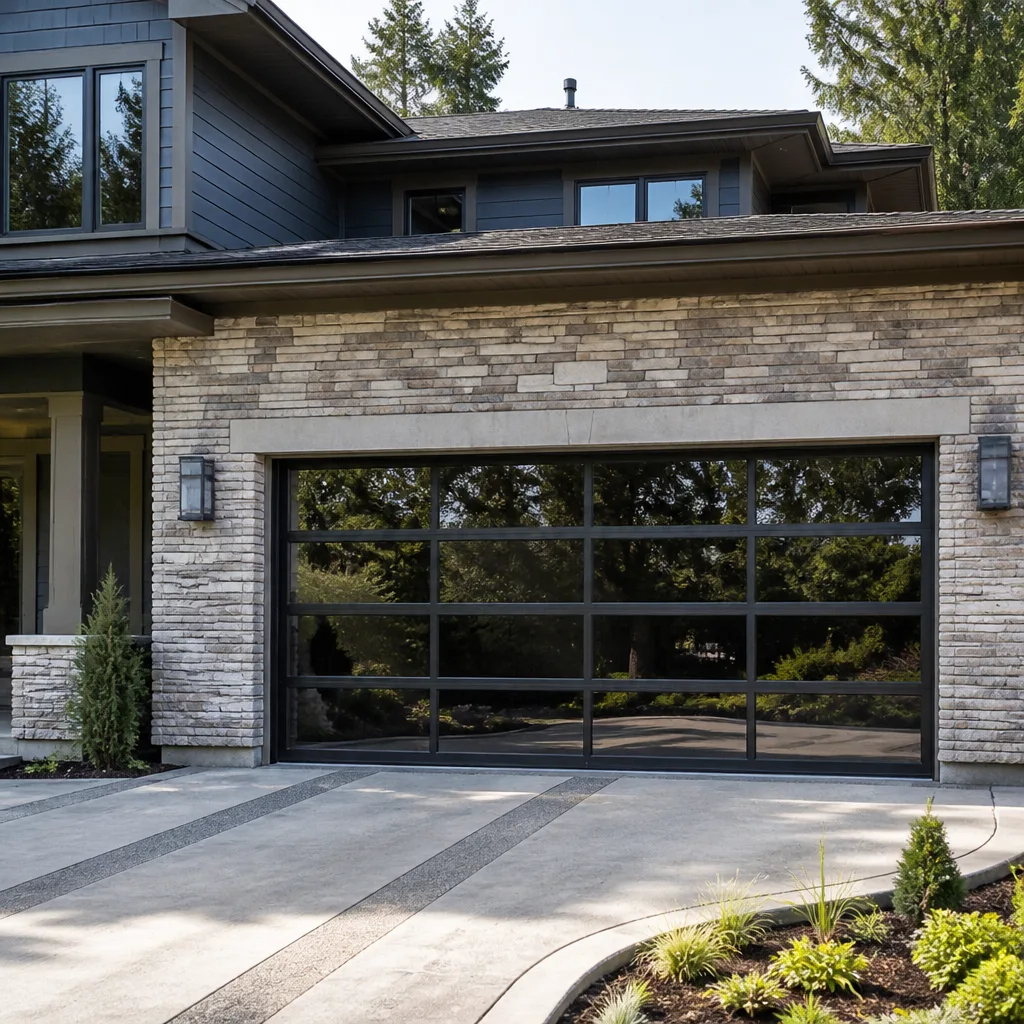 Full-view glass
 LiftMaster openers
 Chamberlain openers
Full 25-point door and opener safety check with every visit - springs, cables, rollers, tracks, and your LiftMaster or Chamberlain opener included
You get a price before we start. It does not change when the pro arrives.
Get your free estimateGarage Door Warning Signs: A West Hartford Homeowner’s Reference Guide
A garage door that hesitates for two seconds before it moves isn’t “a little slow.” That pause is usually a torsion spring that has lost enough tension to tell you it has weeks, not months, left before it snaps. Most of the failures that feel sudden to a West Hartford homeowner actually announce themselves for a while first: a grind here, a shudder there, a door that starts creeping up crooked. This guide is built to help you read those signals, match each sound and movement to the component behind it, and call a technician while the repair is still small. We’ll cover what to listen for, what to look at (never touch), and the point where a door stops being a maintenance item and becomes an emergency.
Quick Answer
The most reliable early warning signs of a failing garage door are a hesitation before movement, grinding or popping at the start of a cycle, a door that drifts to one side as it rises, a spring with a visible gap or heavy rust, and an opener that suddenly strains or reverses on a door it used to lift easily. Any one of these means a component is worn and the door should be inspected before it fails. Springs, cables, and anything under load are not homeowner territory: observe from a distance and call a trained technician.
Styles & brands we work with
- Raised-panel steel
- Carriage house
- Modern flush
- Full-view glass
- LiftMaster openers
- Chamberlain openers
Table of Contents
- The Sound-to-Component Index: What Each Noise Tells You
- Start-of-Cycle vs. End-of-Cycle Sounds: Why the Timing Matters
- Reading Your Torsion Springs Without Touching Them
- Asymmetric Movement: Which Component Is Most Likely Failing
- When Your Opener Is Telling You About Your Door
- The Safety Reversal Test as an Early Warning System
- West Hartford Weather and What It Does to a Garage Door
- The Five-Minute Monthly Walk-Around
The Sound-to-Component Index: What Each Noise Tells You
Garage doors don’t produce random noises. Each sound comes from a specific part doing something it shouldn’t, and matching the noise to the component is the fastest way to know whether you’re looking at a minor adjustment or a repair that’s already overdue. Here’s how we map the four most common sounds in West Hartford homes:
- Grinding: Metal-on-metal contact, usually from worn or seized rollers or a torsion spring that has lost lubrication and is dragging in its bearing plate. A steady grind that builds through the cycle points to rollers; a grind concentrated at the bearing plate points to the spring hardware.
- Popping: A sharp pop, especially one that happens once and never repeats, can be the sound of a torsion spring releasing stored energy as it fails. Repeated popping through the travel usually means a roller jumping its track or a hinge binding.
- Squealing: Friction without metal-on-metal contact, typically a dry torsion spring, a dry bearing, or a dry roller stem. Squealing is the most forgiving of the four because it’s often solved with lubrication and adjustment, but it also means the part has been running dry for a while.
- Banging: A heavy thud as the door hits the floor or jerks against the opener. Banging at the end of travel usually means the door is out of balance and the opener is absorbing load it wasn’t designed to carry.
In West Hartford, a garage door that runs quietly all summer and starts grinding in the first cold snap is usually showing you that its rollers have been dry for months and the cold thickened whatever lubricant was left. The noise is new; the wear isn’t.
Start-of-Cycle vs. End-of-Cycle Sounds: Why the Timing Matters
The same noise at a different point in the cycle points to a different part. This is one of the most useful diagnostics we use, and it’s something you can note from the driveway without any tools.
Noises at the start of the cycle happen while the door is breaking free of the floor and the spring is doing its heaviest work. A pop, bang, or sudden jerk right at the start usually means the spring has lost tension, the cables are slack or uneven, or the door is binding at the floor seal. If the door has to strain for a second before it lifts, the spring is the first place a technician looks.
Noises at the end of the cycle happen as the door reaches the ceiling and the opener is finishing its travel. A thud, a rattle, or a shudder at the top usually points to the opener’s travel limits being set too far, a worn top bracket, or rollers that have worn enough to let the door wobble in the curved section of the track. An end-of-cycle grind on a chain-drive opener often turns out to be a dry rail rather than a failing motor.
Mid-cycle noises are the least specific. A sound that begins partway up and continues through the middle usually involves the rollers, the hinges, or the track, and it’s worth looking at the straight sections of track for dents and debris.
On the opener side, brand matters. A Genie screw-drive opener has a different sound profile from a Chamberlain belt-drive, and what reads as a grind on one can be normal on the other. We work on LiftMaster, Chamberlain, Genie, Clopay, Amarr, Wayne Dalton, Craftsman, and Raynor equipment often enough that we diagnose brand-specific noise rather than treating every sound as a generic symptom, which is a large part of why our garage door repair calls get resolved on the first visit more often than not.
Reading Your Torsion Springs Without Touching Them
Your torsion springs are the horizontal coils mounted on the shaft above the door. They store the energy that lifts the door, and they are the single most dangerous part of the system. A spring under tension can hurt a person badly, and spring repair is a job for trained technicians. What you can do safely is look. From the floor, with nothing in your hands, you can read three distinct conditions.
- A gap in the coil. A healthy torsion spring has coils that sit tight against each other. A visible gap between coils means the spring has stretched or lost tension, and it usually won’t be long before it can’t lift the door reliably. This is the warning most homeowners miss because it’s gradual.
- Surface rust. Light rust on the outside of the coil is cosmetic. Heavy rust that looks like flaking or pitting weakens the metal and shortens the spring’s life. In West Hartford’s freeze-thaw winters, springs on a south-facing garage can cycle through condensation and frost repeatedly, which speeds surface rust.
- A clean separation. If you see a spring that’s clearly broken into two pieces, or a coil hanging loose on the shaft, the door should not be run until it’s repaired. The door may drop, and the opener can be damaged trying to lift a door with no spring support. Stop using the door and call for service.
We can’t overstate this: observe, don’t touch. Never try to wind, unwind, or adjust a torsion spring with hand tools. The stored energy is enough to cause serious injury. Our technicians have up to 12 years of experience, and spring work is a dedicated service for us specifically because it’s a safety job, not a general repair. If you’re seeing any of the three conditions above, our garage door spring repair team can inspect and confirm what’s needed, and the written estimate tells you the price before anything begins.
Asymmetric Movement: Which Component Is Most Likely Failing
A door that rises crooked is telling you the load isn’t balanced. That’s a much more specific signal than it sounds. When one side of the door moves faster or higher than the other, one of three components is usually behind it, and they fail in a fairly predictable order.
- Most likely: a torsion spring on one side has lost tension. On a two-spring system, the springs share the load. When one weakens, the door lifts unevenly because one side is being lifted harder. This is the first thing a technician checks when a West Hartford door rises tilted.
- Second most likely: a cable has stretched, slipped, or come off its drum. Cables transfer the spring’s energy to the door. A slack cable on one side means the door rises crooked and the cable can bind in the drum. A visibly slack or crossed cable is a stop-everything sign.
- Third: a worn roller or hinge on one side has introduced drag. This is the least dangerous of the three but still produces a tilt because one side is fighting more friction than the other. It’s often paired with a grind on that side.
You can spot asymmetric movement from outside the door, with the door closed and the opener disengaged if you know how to do that safely. Watch the gap between the door’s bottom edge and the floor while the door rises. If one corner lifts before the other by more than a fraction of an inch, the door is out of balance and should be looked at. A door that’s out of balance puts extra load on the opener, which is where the next problem will land if the balance issue isn’t fixed.
When Your Opener Is Telling You About Your Door
Here’s a pattern we see over and over in West Hartford: a homeowner calls because the opener “is going bad” when the opener is fine and the door is the problem. The opener is a motor, and it tells you exactly how much resistance the door is giving it. If the opener’s behavior changes on a door it used to handle easily, that change is usually about the door, not the motor.
Three opener behaviors point to a door problem:
- The opener reverses or stops mid-cycle. The most common cause is load. A door that’s out of balance, binding on a track, or running with a weak spring makes the opener work harder than its built-in travel and force settings expect. The opener interprets the resistance as an obstacle and reverses to protect itself. If the door is otherwise balanced but reverses on the way down, a safety sensor or the opener’s down-force limit may be the cause. Either way, the door and the opener need to be checked together.
- The opener runs longer than it used to. A motor that takes noticeably more time to lift the door is fighting gravity and friction. That’s a balance issue or a door-weight issue. Springs that have lost tension require the opener to do work the spring is supposed to do.
- The opener strains, hums, or bogs down. A door that creeps up while the opener sounds labored is a door in trouble. A motor that hums without moving the door at all may have a stripped gear or a door that’s stuck, and it needs a proper diagnosis rather than more force.
If you’ve decided the opener itself genuinely needs work, that’s a separate job from the door, and our garage door opener repair service handles the motor side while we assess the door alongside it. On a Clopay or Amarr door with a Chamberlain or LiftMaster opener, for example, we check the spring balance and the opener’s travel settings together, because the two systems work as a unit and each one’s failure mode mirrors the other’s.
The Safety Reversal Test as an Early Warning System
The safety reversal test tells you how well your door responds to an obstacle, and the way it responds is a proxy for the condition of the door itself. Most homeowners know the test; fewer know what the result is telling them.
To run it, close the door, place a small object like a 2×4 laid flat in the door’s path, and operate the door down. A properly adjusted door should reverse cleanly and promptly on contact, with no hesitation and no continued downward travel. Repeating the test at the same spot once a month gives you a baseline. When the response changes, something in the door has changed with it.
A door that reverses sluggishly or pushes into the object before reversing is usually showing you that the down-force limit has been set too high, that the door is binding in the tracks, or that the weather seal at the floor is compressed and the door is meeting more resistance than it should. In West Hartford, compressible seals harden in cold weather and read as “obstacles” to the opener, so a door that passed the test all fall may fail in January without any component actually breaking.
A door that reverses cleanly but travels crooked is showing you a balance problem rather than a safety problem. A door that reverses immediately as it starts down is often hitting a limit issue or a sensor misalignment rather than an obstacle. Each of those points to a different repair.
One more version of the test to run occasionally: with the door fully open, run the opener down and watch whether the door closes at a consistent speed all the way to the floor. If it slows near the bottom, the seal or the track is binding. If it speeds up and slams, the down-force is set too high and the door needs adjustment.
West Hartford Weather and What It Does to a Garage Door
West Hartford’s climate puts a specific stress cycle on a garage door that homeowners in milder markets don’t see. Winters freeze and thaw, springs cycle through cold and condensation, and summer humidity swells wooden frames and door panels. If your garage is attached and unheated, and most in West Hartford are, your door experiences a wider temperature swing than the rest of the house.
What that means in practice:
- Cold-morning hesitation is a spring symptom, not a battery symptom. If the door is slow to lift on the first cold morning of the season, the spring has lost tension that the warmer weather was masking.
- Freeze-thaw at the floor seal is a real cause of reversal issues. Ice and stiffened rubber at the threshold can look like an obstacle to the opener. It’s worth checking the seal before assuming a component has failed.
- Summer humidity swells wood and stresses metal panels. A door that binds in July but not in October is usually a track alignment or a panel swelling issue, not an opener problem.
- Snow-load in the door path. A plow berm or packed snow against the door makes the opener push harder and read as extra resistance. Clear the threshold before running the door after a storm.
We’ve worked on doors from West Hartford’s older neighborhoods to newer builds, and the pattern is consistent: doors here need their balance checked in the fall before the first freeze, because that’s when a marginal spring shows itself. A spring that’s fine in October and loud in December didn’t fail suddenly. It failed on the first cold morning it couldn’t handle.
The Five-Minute Monthly Walk-Around
A quick monthly check in West Hartford will catch most issues before they become repairs. None of these steps require tools, and none of them involve touching a spring, cable, or any part under tension.
- Watch the door rise and fall once, from outside. Note hesitation, uneven movement, and unusual sounds at the start and end of the cycle.
- Look at the springs from the floor. Note gaps in the coil, heavy rust, or any visible separation. Do not touch them.
- Listen for grinding, popping, squealing, or banging. Write down when in the cycle each sound occurs.
- Run the safety reversal test. Note whether the door reverses cleanly or sluggishly.
- Check the floor seal and the door’s bottom edge. The door should meet the floor evenly with no gap on one side.
- Check the opener’s lights and any error codes. A blinking light often records a reversal or a sensor fault worth investigating.
- Look at the track sections. Confirm no visible dents, debris, or bent track sections in the straight and curved sections.
Anything that reads as “different from last month” is the signal to get an inspection. Small changes repeat as bigger changes, and the earlier the door is looked at, the smaller the fix. Our West Hartford garage door repair team can inspect what you find, and every estimate is free.
Common Mistakes to Avoid
- Trying to fix a spring yourself. Torsion springs store enough energy to cause serious injury, and a spring failure can drop the door. Spring work belongs with a trained technician, and it’s the reason we treat spring repair as its own service rather than a generic repair ticket.
- Buying a new opener when the door is the problem. A door that reverses or strains on the way up is often a balance or spring issue. Replacing the opener without checking the door means the door keeps damaging its replacement.
- Ignoring a two-second hesitation. The most common cause is a torsion spring that has lost tension. By the time the door stops lifting, the fix is usually bigger than it would have been a month earlier.
- Pushing the opener harder. Adjusting the force limit to move a stuck door masks the symptom and puts extra load on the opener motor, the gear, and the panel hardware.
- Skipping the fall balance check. West Hartford’s first freeze is when most marginal springs show themselves. A check before cold weather catches the failure on your terms, not the door’s.
- Assuming “new door” when a repair will do. A properly balanced door with worn rollers or a dry spring can often be repaired rather than replaced. Get the diagnosis first, then decide.
- Using a general handyman for a spring repair. Garage door systems have specific failure modes by brand and configuration. A technician who works on Chamberlain, Genie, Clopay, Amarr, Wayne Dalton, Craftsman, Raynor, and LiftMaster equipment regularly will spot a symptom that a generalist will miss.
See the difference
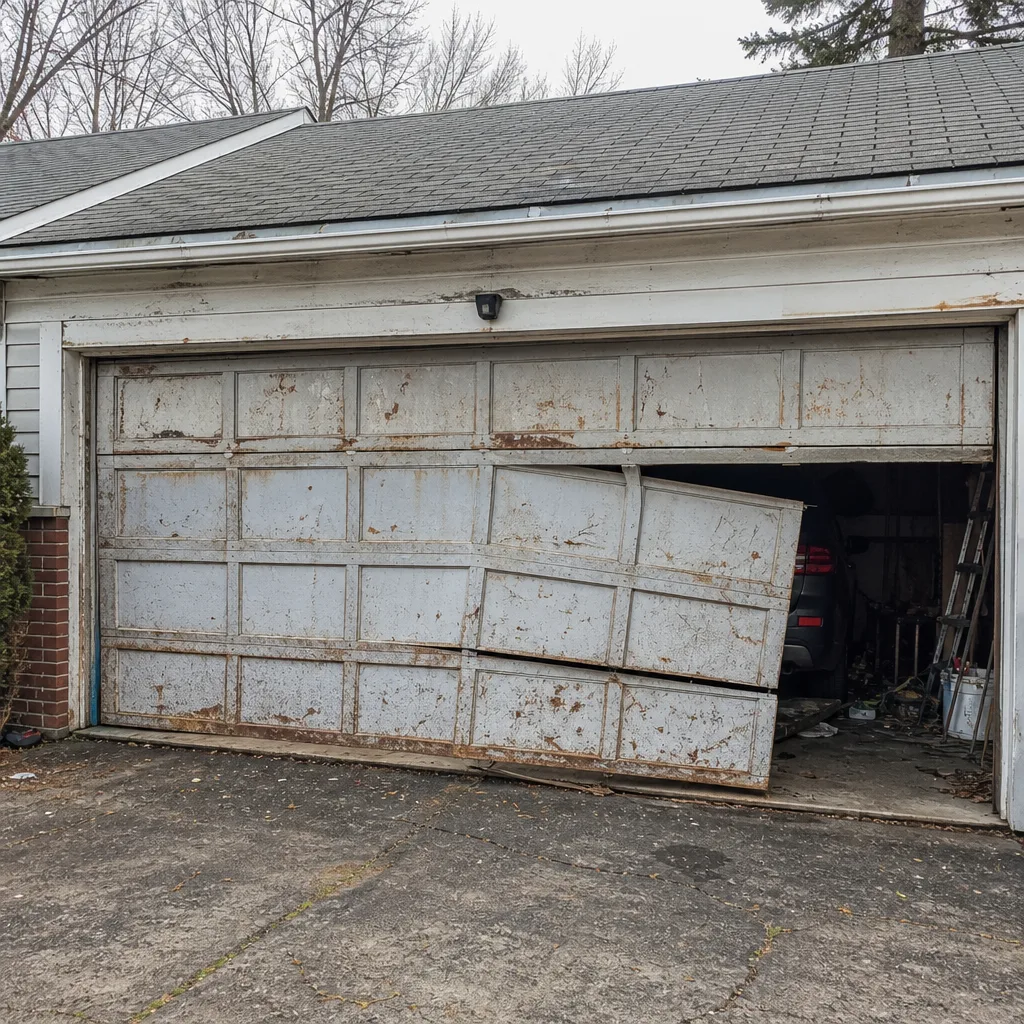 Before
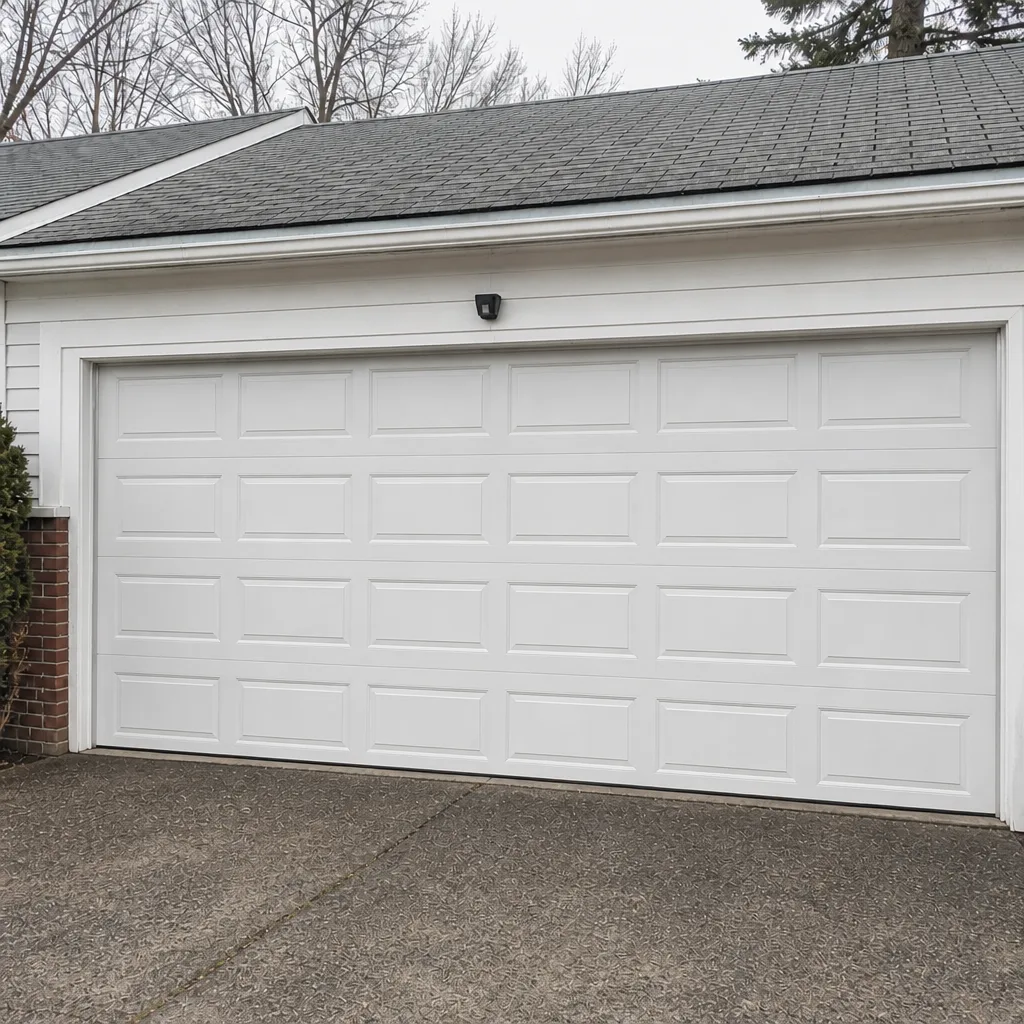 After
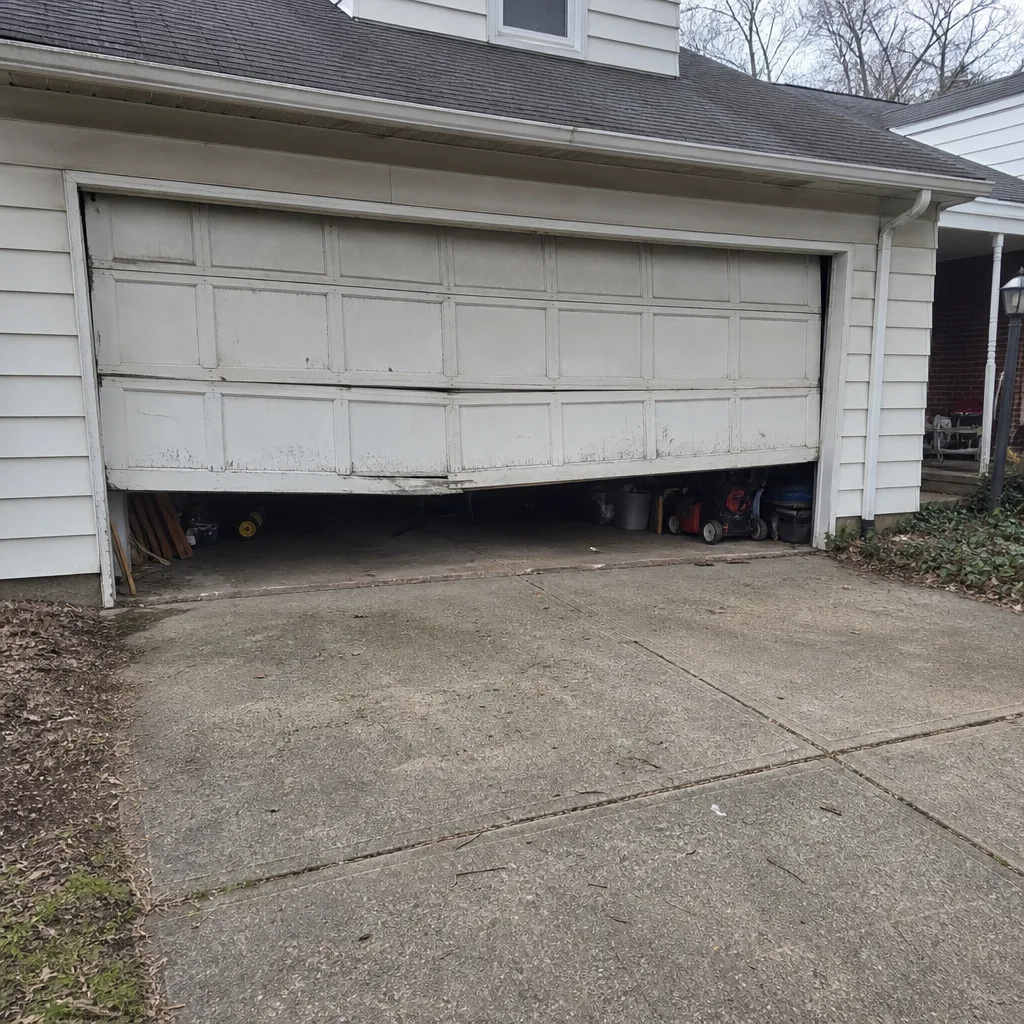 Before
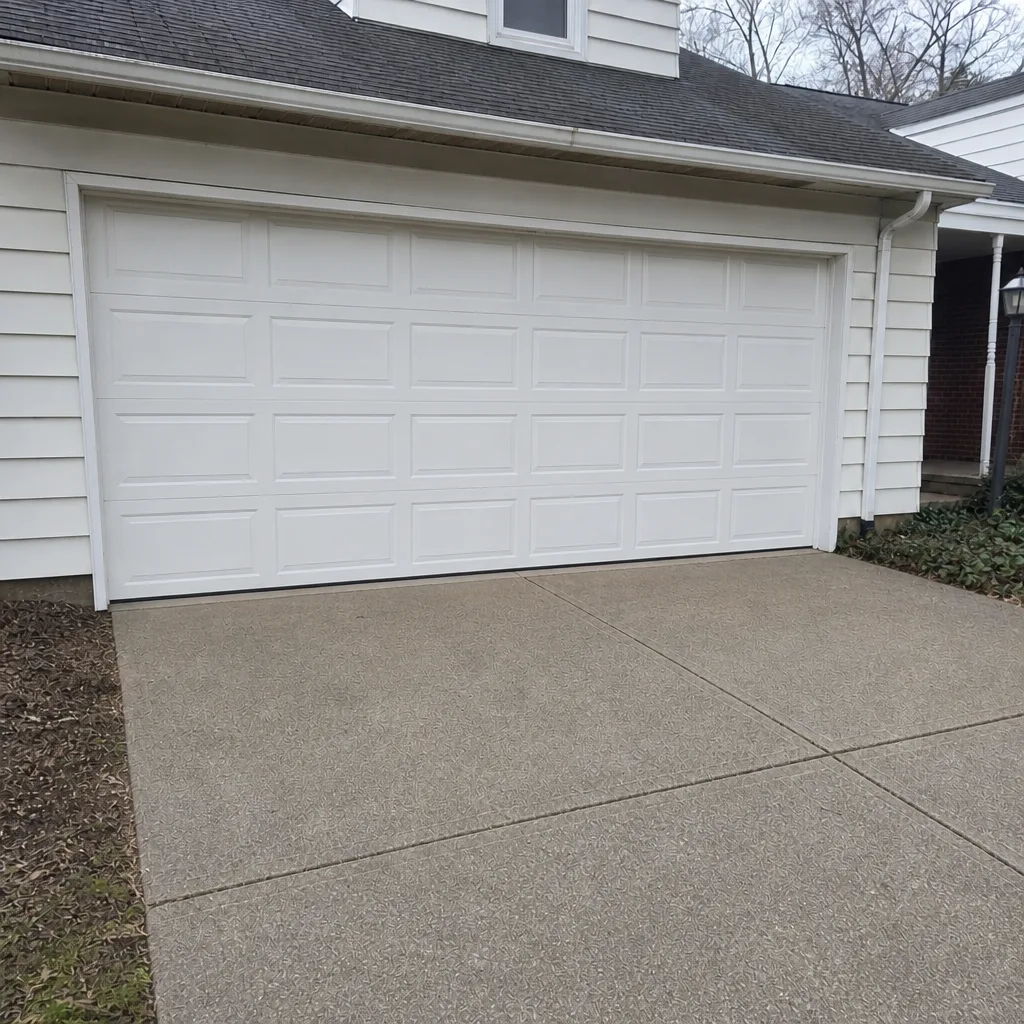 After
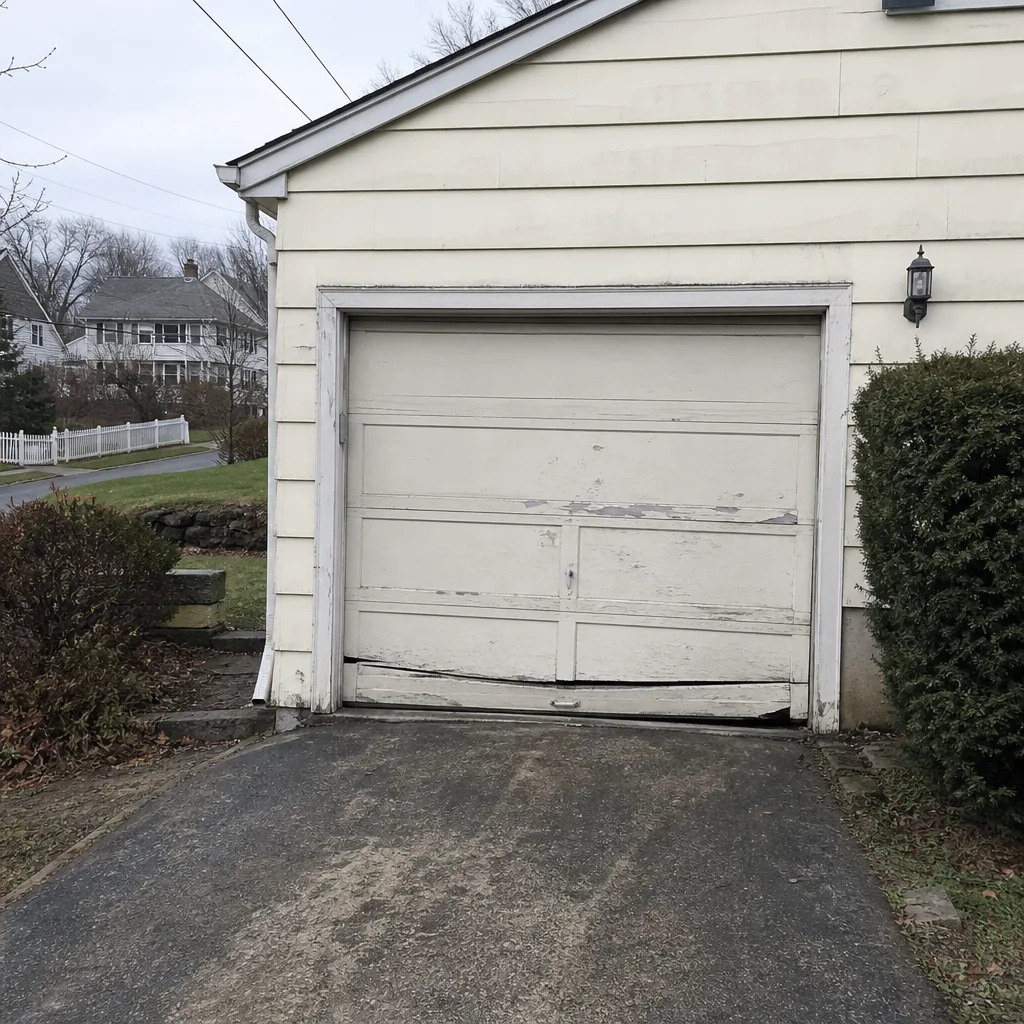 Before
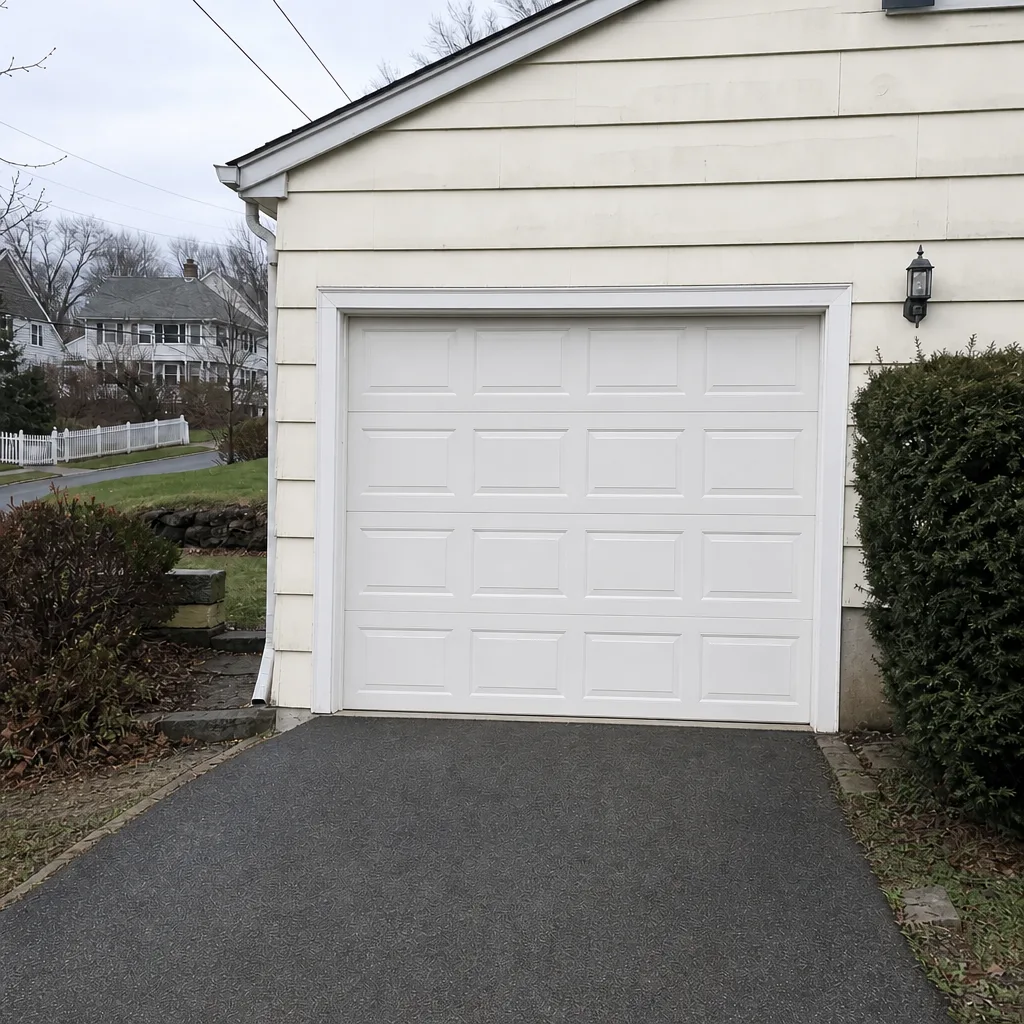 After
When to Call a Professional
Call a professional when a spring is visibly broken, when you see a slack or crossed cable, when the door won’t lift off the floor, when one side rises before the other, or when the door reverses or stalls in a way it didn’t a month ago. Also call if the door is stuck open and your garage is attached to your house, because an open door in West Hartford is a security issue and a weather issue at the same time. Spring, cable, and opener adjustments are not homeowner jobs. We can inspect the door and quote the repair; the price is agreed before any work starts. West Hartford Garage Door Repair offers free estimates in West Hartford. Call (855) 814-3469. We answer 24/7. Fast dispatch from 7am to 7pm, Sunday through Friday. If the door fails on a Saturday, call and we’ll book you for Sunday.
Frequently Asked Questions
A torsion spring that’s about to fail usually shows a visible gap between coils, heavy or pitted rust, or a door that hesitates before it lifts. Any one of those signs means it’s time for an inspection before it fails. Don’t touch the spring to test it. Call (855) 814-3469 and we’ll assess it.
A pop at the start of a cycle in cold weather is often the sound of a torsion spring releasing energy as it weakens or the door breaking free of a stiff or frozen floor seal. Repeated popping through the travel usually points to a roller or hinge binding. The sound’s timing in the cycle is the key clue. Call (855) 814-3469 for an exact quote, and estimates are free.
Probably not. A crooked door usually has a spring that’s lost tension on one side, a stretched or slipped cable, or a worn roller causing drag. In most cases a balance correction or a spring repair fixes it without replacing the door. Call (855) 814-3469 and we’ll diagnose which of the three causes is behind it.
If the door feels fine by hand but the opener strains, the door is likely out of balance, and the opener is doing work the spring should be doing. The fix is usually a spring or balance adjustment rather than an opener replacement. Call (855) 814-3469 and we’ll check both the door and the opener as a unit.
No. Torsion springs store enough energy to cause serious injury, and spring repair is a trained-technician job. A door with a broken spring should not be operated until it’s repaired. Call (855) 814-3469 and our spring service team will handle it.
If the door is stuck open, don’t force it closed, and don’t operate the opener repeatedly. Secure the opening if you can do so safely, keep the door area clear, and call for service. An open door on an attached garage is a real access issue in West Hartford, and fast response matters. Call (855) 814-3469. We answer 24/7. Fast dispatch from 7am to 7pm, Sunday through Friday.
The Bottom Line
Garage door failures are rarely sudden. A hesitation is a spring warning. A grind is a roller or spring-hardware warning. A crooked lift is a balance warning. An opener that strains is telling you about the door. A sluggish reversal is telling you about the seal, the track, or the force setting. Each of these is a small problem with a smaller fix, and the whole point of this guide is to get you to act on the warning rather than wait for the failure. Run the monthly walk-around, note what changes, and call when the door tells you something new. Leave the springs, cables, and load-bearing parts to trained technicians, because spring repair is a safety job. Our technicians have up to 12 years of experience, and we work the brand you already have.
If you’ve spotted a warning sign in West Hartford, call West Hartford Garage Door Repair at (855) 814-3469 for a free estimate. We answer 24/7. Fast dispatch from 7am to 7pm, Sunday through Friday. The written estimate sets the price before any work starts, and the door gets handled by a technician who diagnoses by brand logic, not guesswork. When the door won’t move, we move fast.
Written by the team at West Hartford Garage Door Repair.