
Last updated November 24, 2026
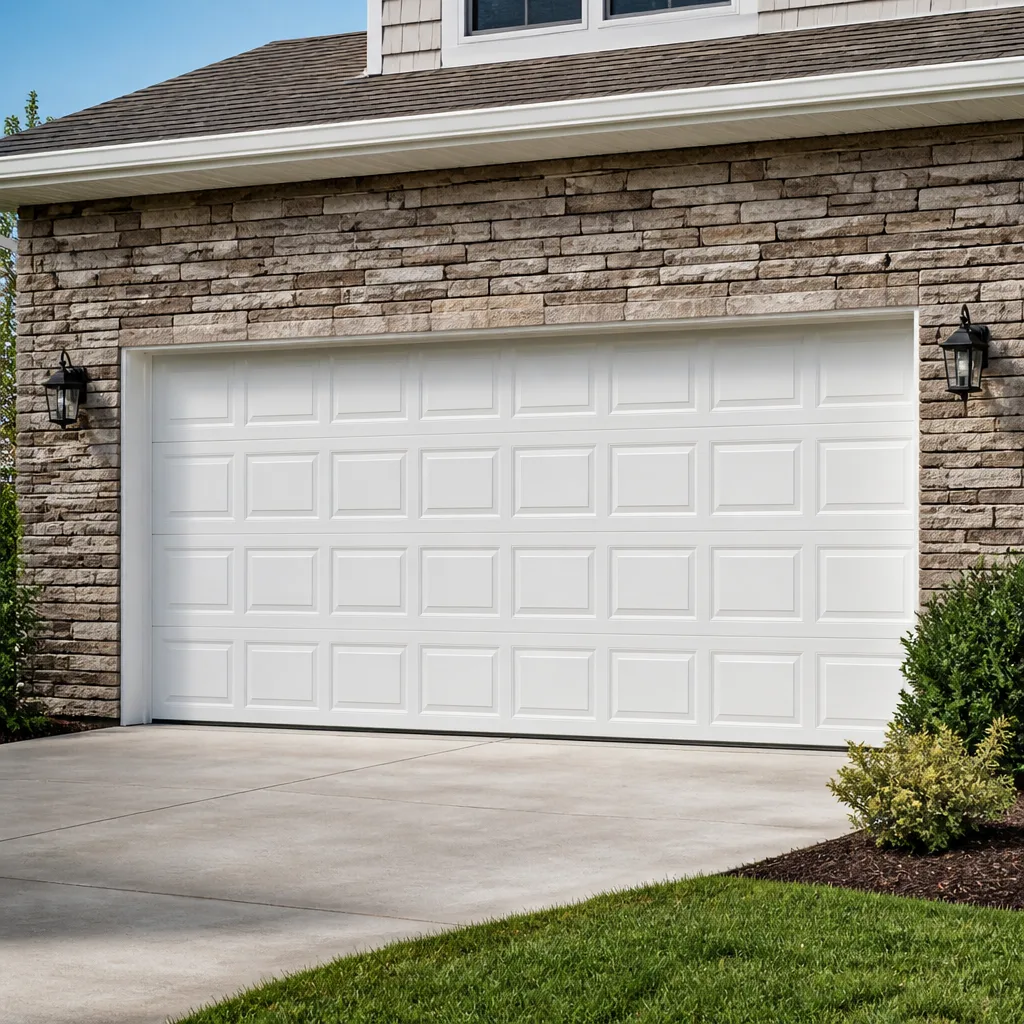 Raised-panel steel
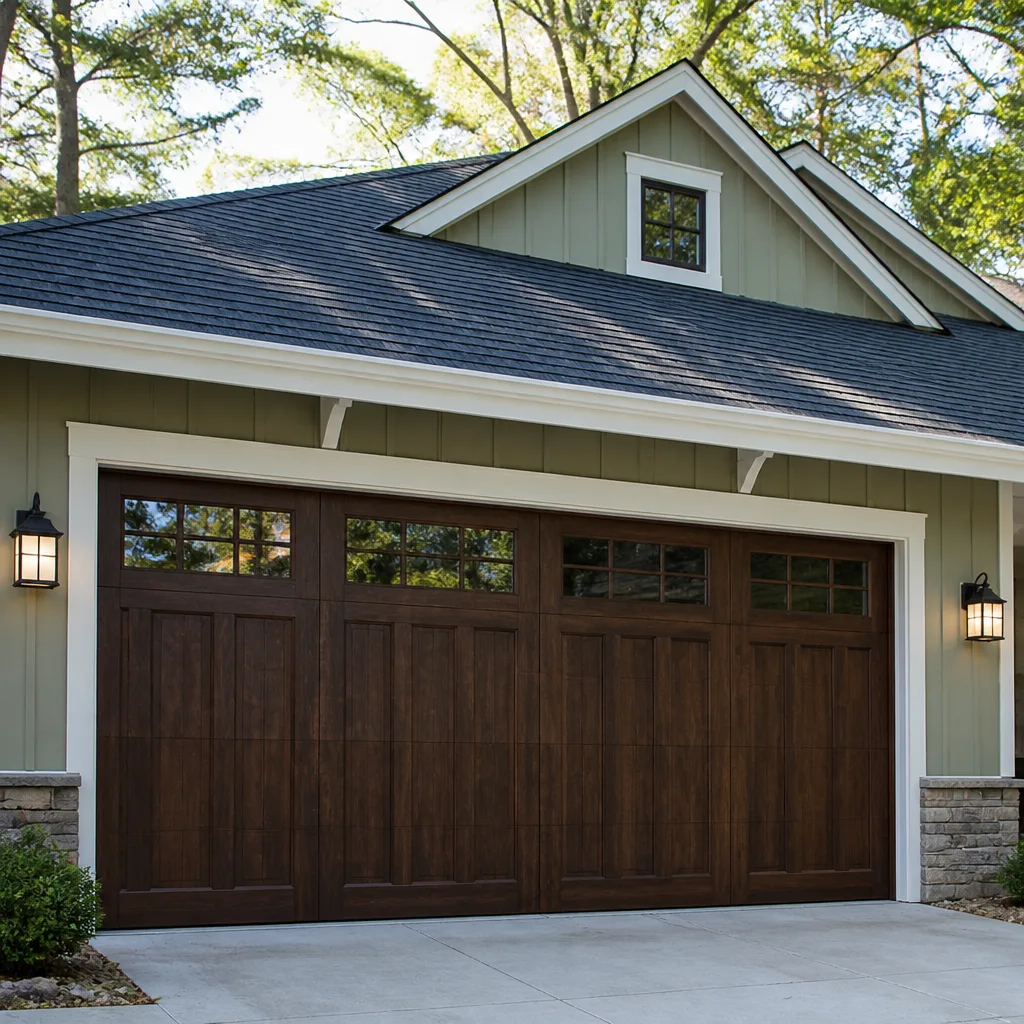
 Carriage house
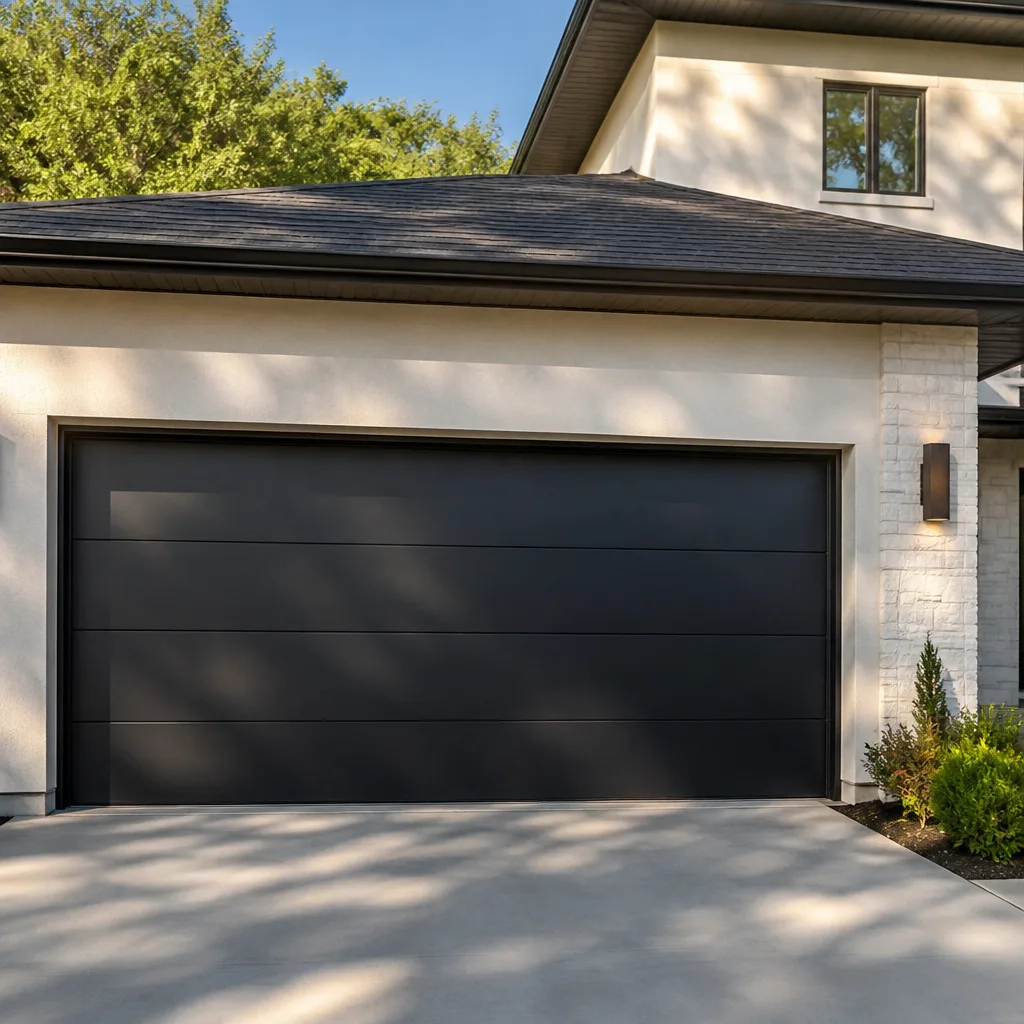 Modern flush
 Full-view glass
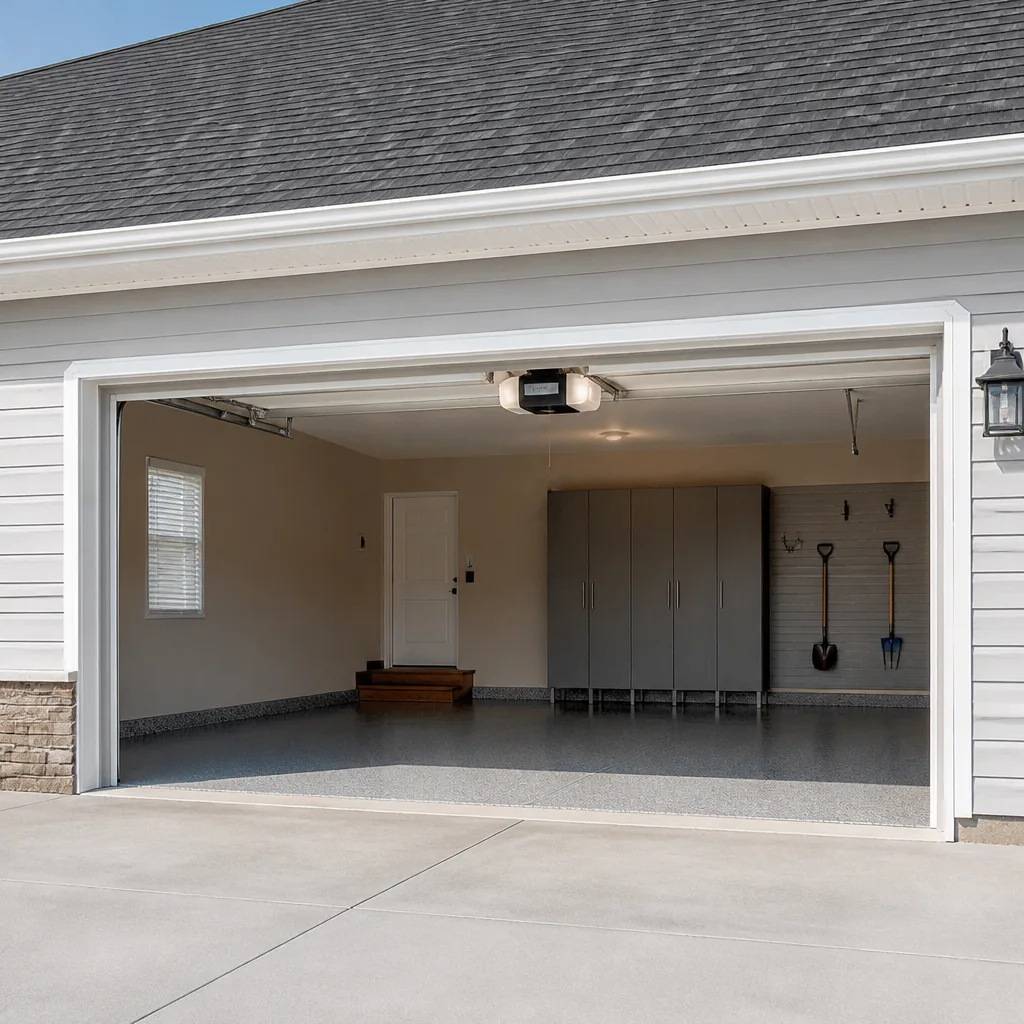 LiftMaster openers
 Chamberlain openers
Full 25-point door and opener safety check with every visit - springs, cables, rollers, tracks, and your LiftMaster or Chamberlain opener included
You get a price before we start. It does not change when the pro arrives.
Get your free estimateHow to Hire a Garage Door Contractor in West Hartford: A Step-by-Step Guide
Connecticut has almost no barrier to entry in the garage door trade. Anyone with a truck, a ladder, and a set of hand tools can print a business card and call themselves a technician, and nothing stops them from quoting a spring replacement on your door tomorrow morning. That’s the part most homeowners never hear. The hiring decision isn’t really about comparing prices. It’s a vetting process, and the questions you ask before anyone sets foot in your driveway matter more than the number at the bottom of the quote. This guide walks through the Connecticut Home Improvement Contractor registration check, the five diagnostic questions that separate a multi-brand specialist from a generalist, what a legitimate written estimate must contain, and where the warranty conversation actually protects you. If you live in West Hartford, the stakes are practical: your door runs every morning, and a bad hire can leave you with a system that fails again in a season.
Quick Answer
To hire a garage door contractor in West Hartford, verify the contractor’s Connecticut Home Improvement Contractor (HIC) registration on the CTDCP database before scheduling, ask diagnostic questions that reveal brand-specific and spring-specific knowledge, and insist on a written estimate that itemizes parts, labor, and warranty terms. A legitimate contractor will answer all three without hesitation. One who dodges any of them is telling you something.
Styles & brands we work with
- Raised-panel steel
- Carriage house
- Modern flush
- Full-view glass
- LiftMaster openers
- Chamberlain openers
Table of Contents
- Why Vetting a Garage Door Contractor Matters in West Hartford
- Step 1: Verify the Connecticut HIC Registration
- Step 2: Ask the Five Diagnostic Questions
- Step 3: Read the Written Estimate Line by Line
- Step 4: Vet Emergency Service Calls Differently
- Step 5: Structure the Warranty Conversation
- Why Brand-Specific Diagnostics Change the Outcome
- Common Mistakes to Avoid
- When to Call a Professional
- Frequently Asked Questions
Why Vetting a Garage Door Contractor Matters in West Hartford
A garage door is the largest moving object on a house, and in West Hartford that means a lot of older homes with heavy wood and steel doors riding on original or long-replaced hardware. The doors themselves are often twenty, thirty, forty years old. The springs have been swapped two or three times by previous owners, sometimes by a previous contractor who used the wrong wire gauge or the wrong wind direction. When a new technician walks up to that door, they’re inheriting a history they can’t see. The only way to work safely is to diagnose properly rather than guess.
That’s the argument for vetting. A generalist handyman who “does doors on the side” will look at a snapped torsion spring and quote you a flat number based on what the last one cost. A specialist will measure the door, weigh it, identify the spring type, and check the cycle rating before quoting anything. Those are two very different conversations, and only one of them ends with a door that runs safely for the next decade.
West Hartford’s housing stock makes this more important than it might be in a newer subdivision. The town has a deep mix of center-hall colonials, capes, and mid-century ranches, many with detached or attached garages that were added long after the house was built. Additions often mean non-standard opening heights, retrofit openers, and track configurations that didn’t come from a catalog. A contractor who only installs new doors out of a box will struggle with a retrofit. A contractor who diagnoses the system in front of them will not.
There’s a second West Hartford factor: the town’s older garages are frequently unheated, and the freeze-thaw cycles of a Connecticut winter put real stress on springs, cables, and opener gears. When we see a door that’s failed in January, the cause is often a component that was already near the end of its cycle life in October. Vetting a contractor who can spot that early is cheaper than an emergency call in the cold.
Step 1: Verify the Connecticut HIC Registration
Connecticut requires a Home Improvement Contractor (HIC) registration for garage door work priced above $200. That threshold is low enough to cover nearly every real job, from a spring replacement to a full door installation. It’s also a requirement most homeowners don’t know exists, which means some contractors quietly don’t meet it and count on nobody asking.
Verifying the registration is straightforward. You don’t need to understand the trade to do it, and you don’t need to take anyone’s word for it.
- Ask for the HIC registration number in writing. A legitimate contractor will give it to you without hesitation, usually on the estimate or by text. If they say “we’re registered” without producing a number, that’s your first signal.
- Look up the number on the Connecticut Department of Consumer Protection (CTDCP) database. The state maintains a public lookup tool for registered home improvement contractors. Search by registration number, and confirm the name matches the company quoting you.
- Check the registration status. A number that exists but shows as expired, suspended, or revoked is not a valid registration. Status matters as much as the number itself.
- Confirm the scope matches your job. The registration covers home improvement work, and garage door installation and repair falls within that scope. If a contractor tells you they’re “exempt” because they only do doors, ask them to put that in writing.
- Ask for a certificate of insurance separately. Registration is not the same as insurance. The registration confirms the contractor is on the state’s radar; the insurance certificate confirms there’s coverage if something goes wrong on your property.
This check takes five minutes and eliminates an entire category of risk. A contractor who can’t pass it isn’t someone you want dismantling a torsion spring above your car.
Step 2: Ask the Five Diagnostic Questions
Once the registration check clears, the next layer of vetting is technical. You don’t need to know the answers yourself. You need to hear whether the contractor does. A multi-brand specialist will answer these in specifics. A generalist will answer in generalities, and that’s the tell.
- “What type of spring does my door have, and what’s the cycle rating?” This is the single most revealing question. Torsion springs and extension springs are entirely different systems, mounted differently, under different loads, and serviced with different tools. A specialist will look at the door and tell you which one you have, then talk about cycle rating: the number of open and close cycles the spring is rated for before it’s expected to fail. A generalist will say “it’s a spring, we’ll replace it.”
- “Have you worked on this brand before?” Name your opener and door brand and watch the response. LiftMaster and Chamberlain systems share a lot of logic but differ in limit settings and safety sensor behavior. Craftsman openers from the 1990s have their own quirks. Raynor commercial and residential doors use hardware patterns that aren’t interchangeable with Clopay or Amarr. A specialist will recognize the brand and describe how they diagnose it.
- “What’s the door weight, and how does that affect the spring you’d install?” Spring selection is driven by door weight, track radius, and drum size. A contractor who skips the weighing step is guessing, and a guessed spring will either be over-tensioned (short life, dangerous) or under-tensioned (the door won’t stay up).
- “Will you check the cables, drums, and bearings while you’re in there?” A spring replacement on a door with frayed cables or worn drums is a partial repair. A specialist will inspect the whole system and tell you what’s serviceable and what isn’t. A generalist will replace the spring, take the payment, and leave the worn cable for the next call.
- “What happens if the door still doesn’t balance after the spring is replaced?” The answer should mention adjustment, not a second charge. Any competent spring job includes balancing the door and testing the opener’s force settings before the technician leaves.
Ask these before you book, not after. The answers are free, and they sort the field quickly.
Step 3: Read the Written Estimate Line by Line
A written estimate in Connecticut should itemize what’s being done, what parts are being used, and what the total covers. A vague “flat rate” quote hides a lot, and the place it hides is usually the parts markup and the labor scope.
Here’s what a legitimate written estimate should contain for a typical West Hartford garage door job:
- Parts, named specifically. Not “spring” but “torsion spring, matched pair, sized for the door weight and cycle rating we measured.” Not “opener” but the model number and brand.
- Labor scope, spelled out. Does the price include removing the old parts, hauling them away, balancing the door, and testing the opener’s force and travel settings? Or does it stop at “install spring”?
- Any additional work identified during inspection, priced separately. If the cables are borderline, the estimate should say so and give a number, not surprise you mid-job.
- Warranty terms, written down. How long on labor, how long on parts, and whether either is prorated.
- Total, with the phrase “final price” or “agreed price” attached. The written estimate sets the price. If the technician finds something the estimate didn’t cover, they should stop and re-quote before continuing, not add it to the invoice.
The pricing itself varies by door and by job, so a real estimate is specific to your door rather than a number pulled from a list. What you’re comparing across contractors is not the total but the structure: does one quote name the parts, scope, and warranty, while another says “$X, done today”? The second isn’t an estimate. It’s an opening offer.
Step 4: Vet Emergency Service Calls Differently
When a door is stuck open overnight or a spring has snapped with the car trapped inside, the vetting process compresses. You have less time and less leverage. That’s precisely when the wrong contractor is most likely to quote a number designed to be adjusted once they see the door.
The red flag on an emergency call is a quote given over the phone without two specific questions asked first: what’s the spring size, and what’s the door weight?
Those two numbers determine which spring gets installed and how the door will balance. Without them, any phone quote is a placeholder, not a price. A contractor who quotes confidently over the phone without asking is telling you they’ll set the real number on-site, after you’ve already committed and the door is still broken.
Here’s how to vet an emergency call in West Hartford without adding delay:
- Ask for the phone quote in writing, even by text. “Can you text me that range?” A contractor who’s confident will send it. One who won’t is planning to adjust.
- Ask what happens if the spring size they bring doesn’t match the door. The right answer is that they measure on-site and use the correct spring, not that they “have a few sizes on the truck and one will fit.”
- Confirm the price is quoted and agreed before work starts. This is the single most important sentence in the whole conversation. If they can’t say it clearly, end the call.
- Ask whether the same technician who quotes is the one who installs. A quote from a dispatcher and an install from a different technician is a setup for a numbers gap.
Emergency service is a real category, not an upsell. When the door won’t move, the right contractor moves quickly without cutting the diagnostic step. Call West Hartford Garage Door Repair when you need a door restored today. We answer 24/7. Fast dispatch from 7am to 7pm, Sunday through Friday.
Step 5: Structure the Warranty Conversation
Most homeowners ask “what’s the warranty?” and accept “one year” as an answer. That’s the wrong question. There are three separate warranties on a garage door job, and they protect you at different times.
- Labor warranty. Covers the workmanship: the spring installed correctly, the opener wired and programmed correctly, the door balanced correctly. This is the one that matters most in the first 90 days. If the spring fails in month two because it was wound to the wrong tension, the labor warranty is what covers the redo.
- Parts warranty. Covers the spring, opener, or panel itself. Typically longer than labor, often prorated after the first year. Ask for the proration schedule in writing.
- Manufacturer warranty. Covers the component as the manufacturer defines it. LiftMaster and Chamberlain openers carry their own motor and control board coverage. Door manufacturers have their own panel finish and structural coverage. This warranty exists between you and the manufacturer, but the contractor’s job is to install the product in a way that doesn’t void it.
The question to ask is not “what’s the warranty?” but “what’s covered at 90 days, and what’s covered at one year?” A contractor who can answer both without checking a manual is a contractor who understands their own terms. One who says “one year, everything” without differentiating is either simplifying for your benefit or hasn’t thought about it.
For spring work specifically, ask whether the labor warranty covers a premature failure. A spring rated for a certain cycle count and installed to the correct tension should not fail within the labor window. If it does, that’s a workmanship issue, and the warranty should say so. Our garage door spring repair work is treated as a safety job for exactly this reason, and we quote it with the parts and labor warranty spelled out in writing.
Why Brand-Specific Diagnostics Change the Outcome
Garage doors and openers are not a single product category. They’re a dozen families of products with different logic, different failure modes, and different parts. A contractor who works across brands diagnoses by brand-specific logic. A contractor who works on one brand applies that brand’s assumptions to everything else, and the result is guesswork disguised as expertise.
Consider a few examples from our own work. LiftMaster and Chamberlain openers share a lot of engineering, but their limit switch behavior and safety sensor alignment differ enough that a technician who only knows one will misdiagnose the other. A Craftsman opener from the 1990s often has a gear and sprocket assembly that fails in a specific way, and a technician who doesn’t recognize the pattern will replace the whole unit instead of the gear. A Raynor door uses hardware patterns and panel profiles that aren’t interchangeable with Clopay or Amarr, so a technician who arrives with a truck full of Clopay parts will be making a second trip.
That’s why we’re factory-familiar with eight of the most widely installed brands in North America, and why we name them. When we say we work on LiftMaster, Chamberlain, Genie, Clopay, Amarr, Wayne Dalton, Craftsman, and Raynor systems, we mean the technicians recognize those systems, stock for them, and know their specific failure modes. It’s the difference between a diagnosis and a guess.
The same principle applies on both sides of the door: the door itself (panels, springs, tracks) and the opener (motors, remotes, smart controls). A contractor who handles one side but not the other will hand you off mid-job, and every handoff is a place where something gets missed. Full-system coverage is the simpler arrangement.
For openers specifically, brand-specific diagnostics matter because the failure modes differ so much by brand. Our garage door opener repair work starts with identifying the unit and its control board, not swapping the whole thing. If the door itself needs attention, our garage door repair team handles the panels, tracks, and cables with the same brand-specific logic.
Common Mistakes to Avoid
- Not verifying the HIC registration. Connecticut requires it, the database is public, and checking takes five minutes. Skipping it is the single most common mistake West Hartford homeowners make, and it’s the one with the most consequences.
- Accepting a phone quote without a spring size or door weight. A quote without those two numbers is a placeholder. The real number gets set on-site, after you’ve committed and the door is still broken.
- Comparing totals instead of structures. A quote that itemizes parts, labor, and warranty is not the same as a “flat rate” number, even if the totals look similar. The itemized quote is what protects you if the job changes.
- Not asking what’s covered at 90 days. “One year warranty” often means a parts warranty with a shorter labor window. Ask specifically what’s covered at 90 days, because that’s when premature failures show up.
- Letting a generalist touch a torsion spring. Torsion springs are under high tension and stored energy is dangerous. This is a job for a trained technician, not a handyman who “has the tools.” The cost of a bad spring repair can be a hospital visit, not a service charge.
- Not asking whether cables and drums were inspected. A spring replacement on a door with frayed cables is a partial repair. Ask what else the technician checked before they leave.
- Choosing a contractor who won’t put the price in writing before work starts. This is the clearest signal in the whole process. A quote agreed before the work begins is a professional standard. A number agreed after is a negotiation.
When to Call a Professional
Some garage door issues are safe to look at, and some are not. If the door is stuck open and your house is exposed, if a spring has visibly snapped, if the door is hanging unevenly from one side, or if the opener runs but the door doesn’t move, those are professional calls. Do not attempt to wind, unwind, or adjust a torsion spring yourself. The stored energy in a wound spring is enough to cause serious injury, and there’s no safe way for a homeowner to test or replace one. Cables under tension carry the same risk.
If you’re hearing a new rattle, the door is slower than it used to be, or the opener’s safety sensors need realigning after a bump, those are smaller issues that can wait for a scheduled visit. But anything involving springs, cables, or a door that’s hanging off its tracks should be handled by a trained technician.
West Hartford Garage Door Repair offers free estimates in West Hartford. Call (855) 814-3469. We answer 24/7. Fast dispatch from 7am to 7pm, Sunday through Friday. Our technicians have up to 12 years of experience, and they’ll walk you through what the door needs before anything gets quoted.
Frequently Asked Questions
Ask the contractor for their Home Improvement Contractor registration number in writing, then look it up on the Connecticut Department of Consumer Protection (CTDCP) database to confirm the number is active and the company name matches. Connecticut requires HIC registration for garage door work above $200, so any job short of a minor adjustment should be covered. If a contractor can’t produce a number, that alone is a reason to move on. Call (855) 814-3469 for a free estimate from a registered contractor in West Hartford.
Spring repair pricing varies by spring type, door weight, and whether one spring or a matched pair is being replaced, so a specific number only comes from a written estimate on your door. A matched pair costs roughly twice a single spring because both are replaced together for balance. The written estimate sets the price, and the price is agreed before work starts. Call (855) 814-3469 for an exact quote – estimates are free.
Yes, same-day emergency service is available for doors that are stuck open, springs that have snapped, or openers that have failed and left the door unusable. We answer 24/7, and dispatch runs fast from 7am to 7pm, Sunday through Friday. A call outside dispatch hours is booked into the next opening, Sunday through Friday, 7am to 7pm. Call (855) 814-3469 and describe what the door is doing.
No. The written estimate sets the price, and the price is quoted and agreed before any work starts. If a technician finds something during the inspection that the estimate didn’t cover, they stop and re-quote rather than adding it to the invoice. That’s the standard on every job we connect you with in West Hartford. Call (855) 814-3469 for a free estimate.
The local professionals we connect you with are licensed and insured as their state requires, and in Connecticut that means an active HIC registration for garage door work above $200. You can verify the registration number on the CTDCP database before anyone arrives. Ask for the number in writing when you book. Call (855) 814-3469 with any questions before scheduling.
A legitimate written estimate should name the specific parts (spring size and type, opener model, panel brand), spell out the labor scope including removal and balancing, list any additional work identified during inspection with separate pricing, and state the warranty terms for labor and parts. It should also state the total as the final agreed price. A “flat rate” quote without those details leaves room for markup in places you can’t see. Call (855) 814-3469 for a written estimate in West Hartford.
The Bottom Line
Hiring a garage door contractor in West Hartford is a vetting process, not a price comparison. Start with the HIC registration check on the CTDCP database, because it’s quick, public, and eliminates the most dangerous category of contractor. Then ask the five diagnostic questions: spring type and cycle rating, brand familiarity, door weight, cable and drum inspection, and what happens if the door doesn’t balance. Read the written estimate for parts, scope, and warranty rather than only the total. On emergency calls, treat a phone quote without a spring size or door weight as a placeholder. And structure the warranty conversation around 90 days, not one year. Get those five steps right and the door gets fixed once, safely, by someone who knows the system in front of them.
Written by the team at West Hartford Garage Door Repair.
See the difference
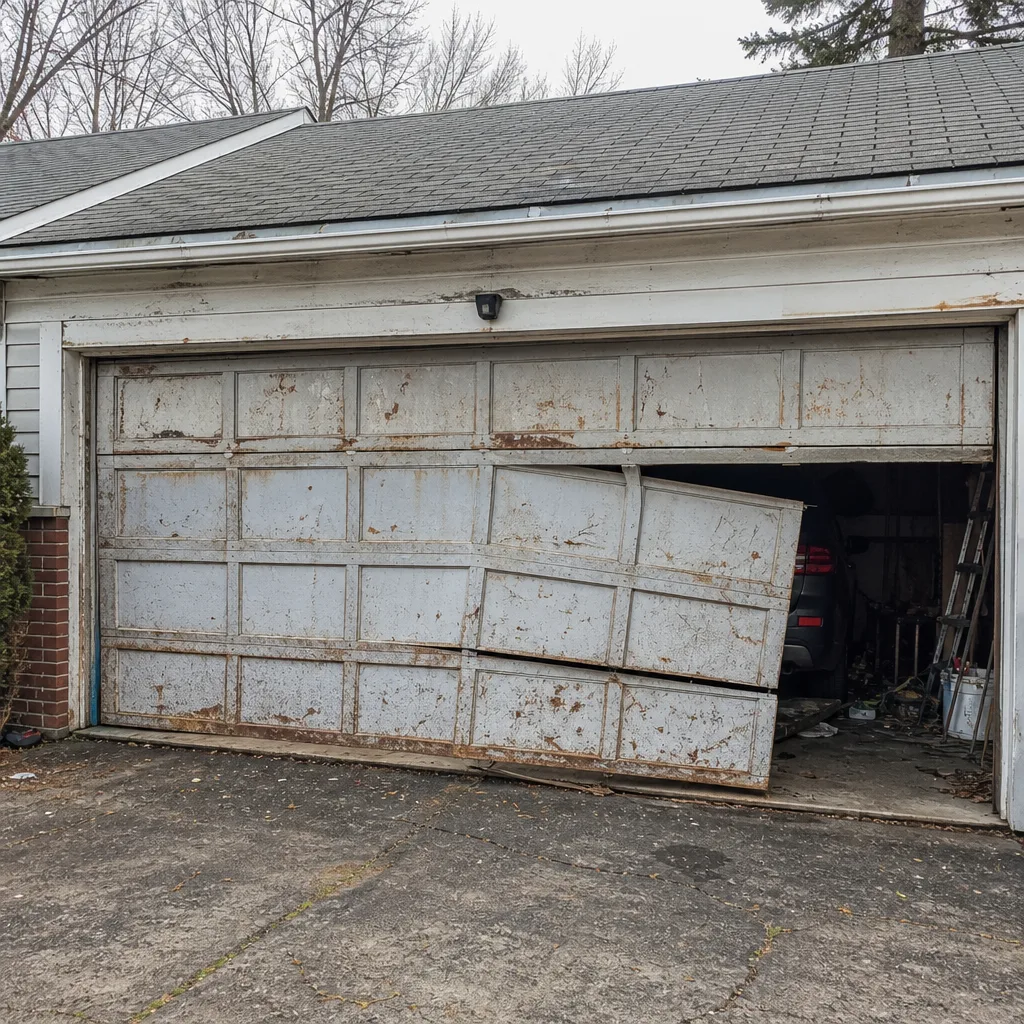 Before
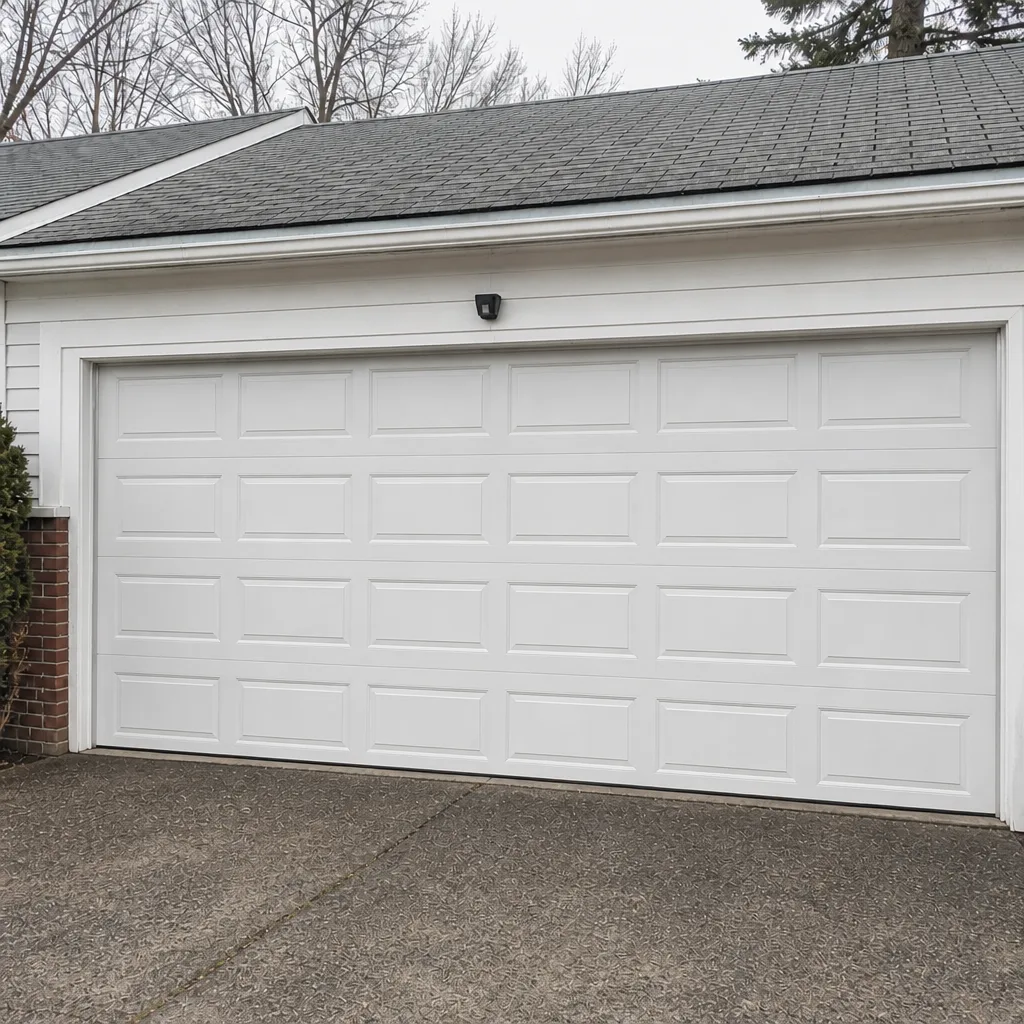 After
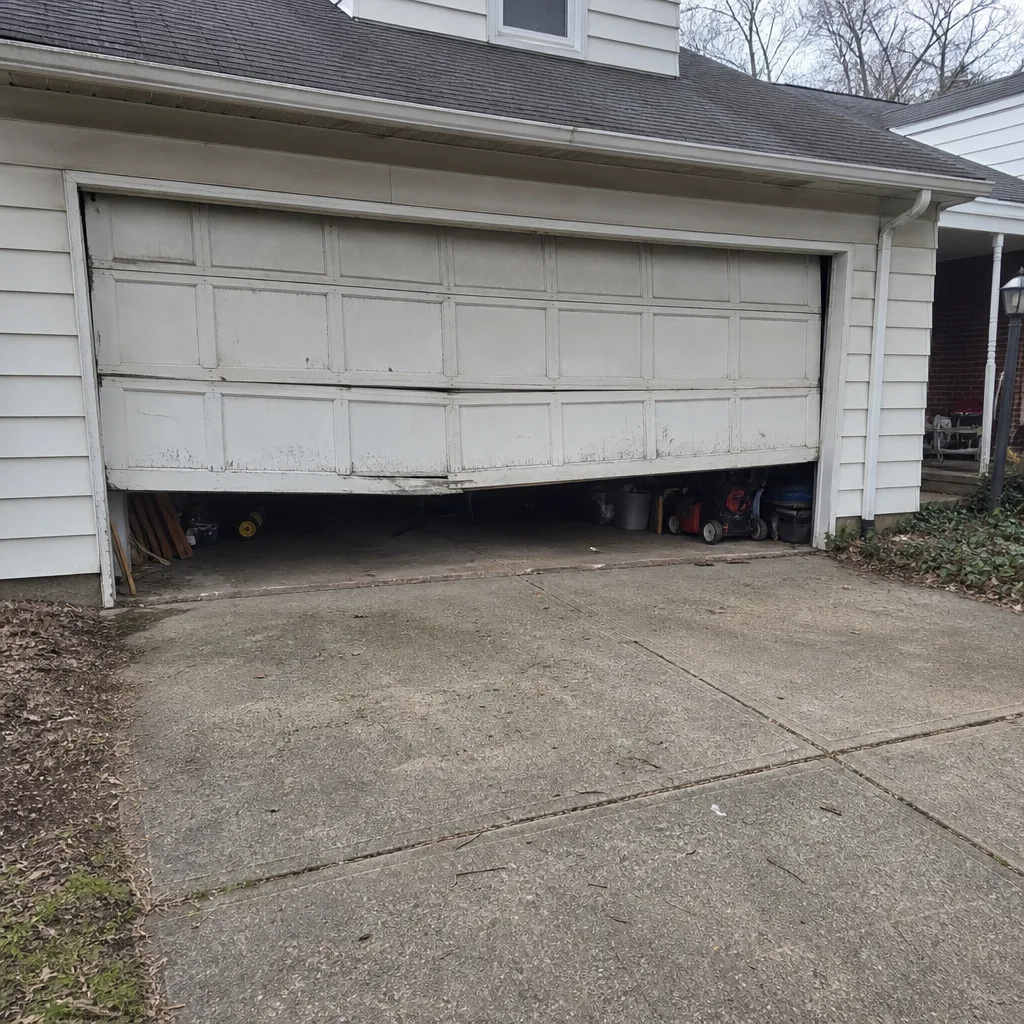 Before
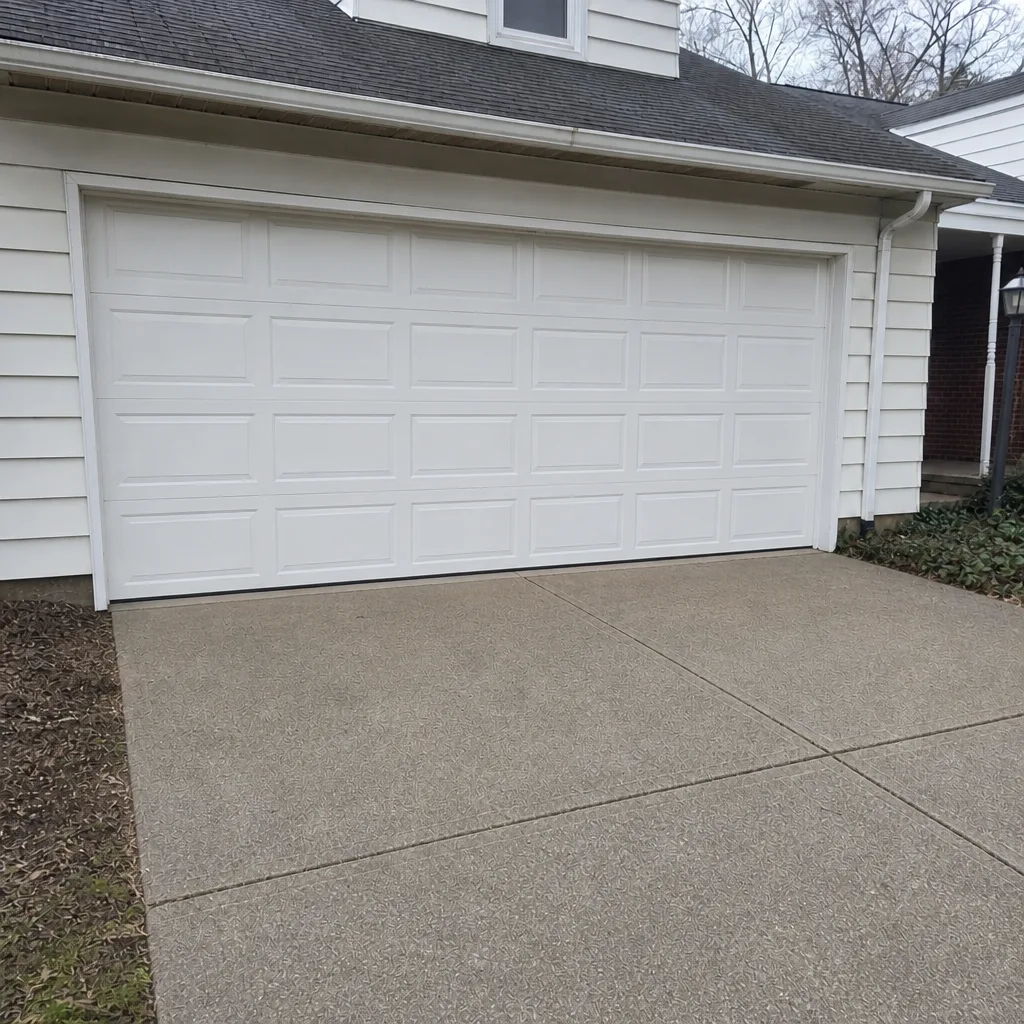 After
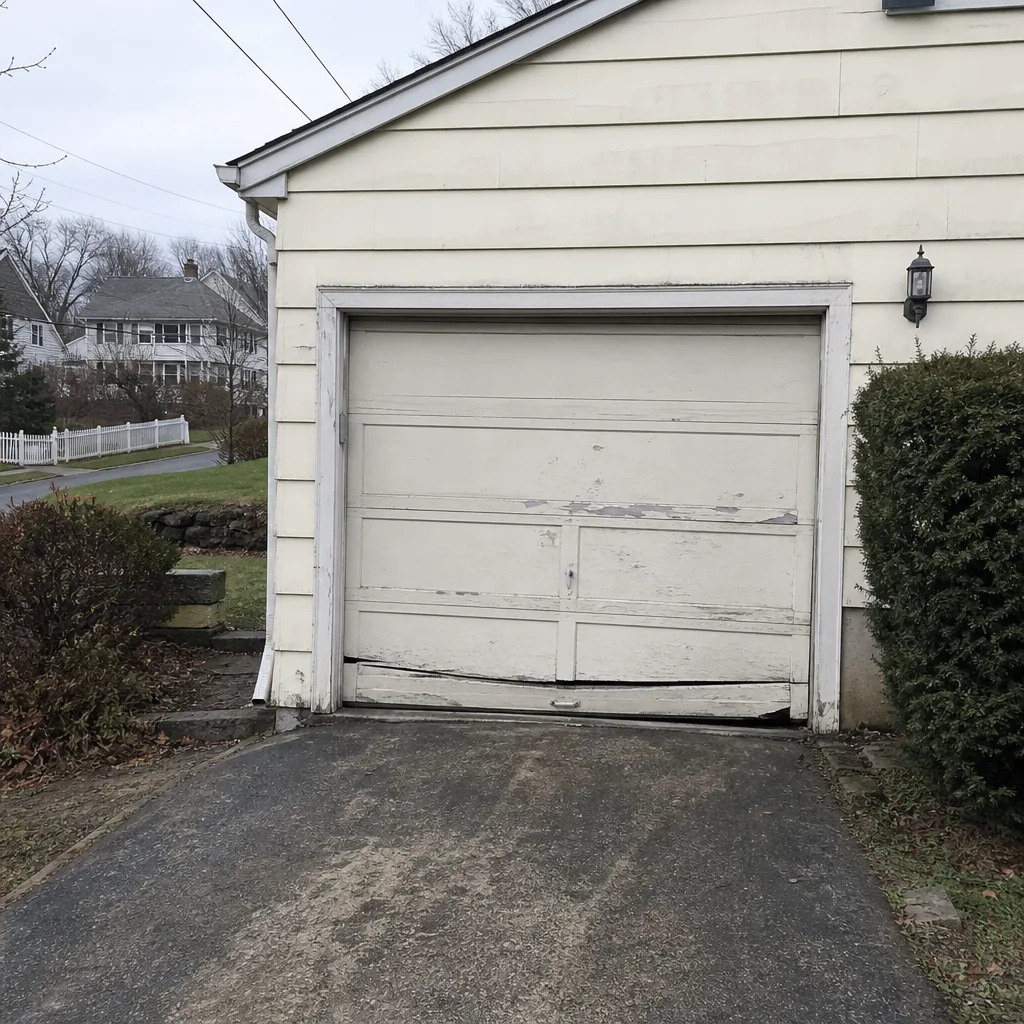 Before
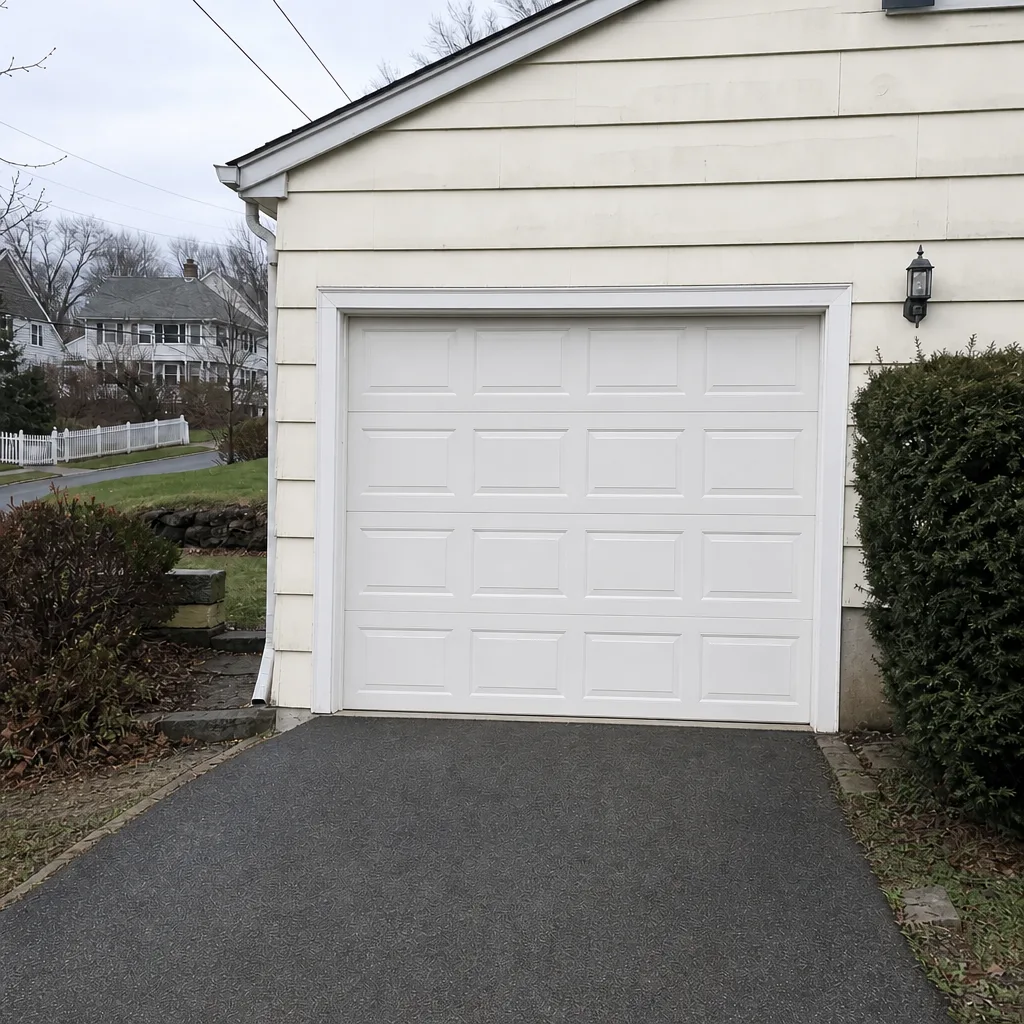 After