
Last updated November 24, 2026
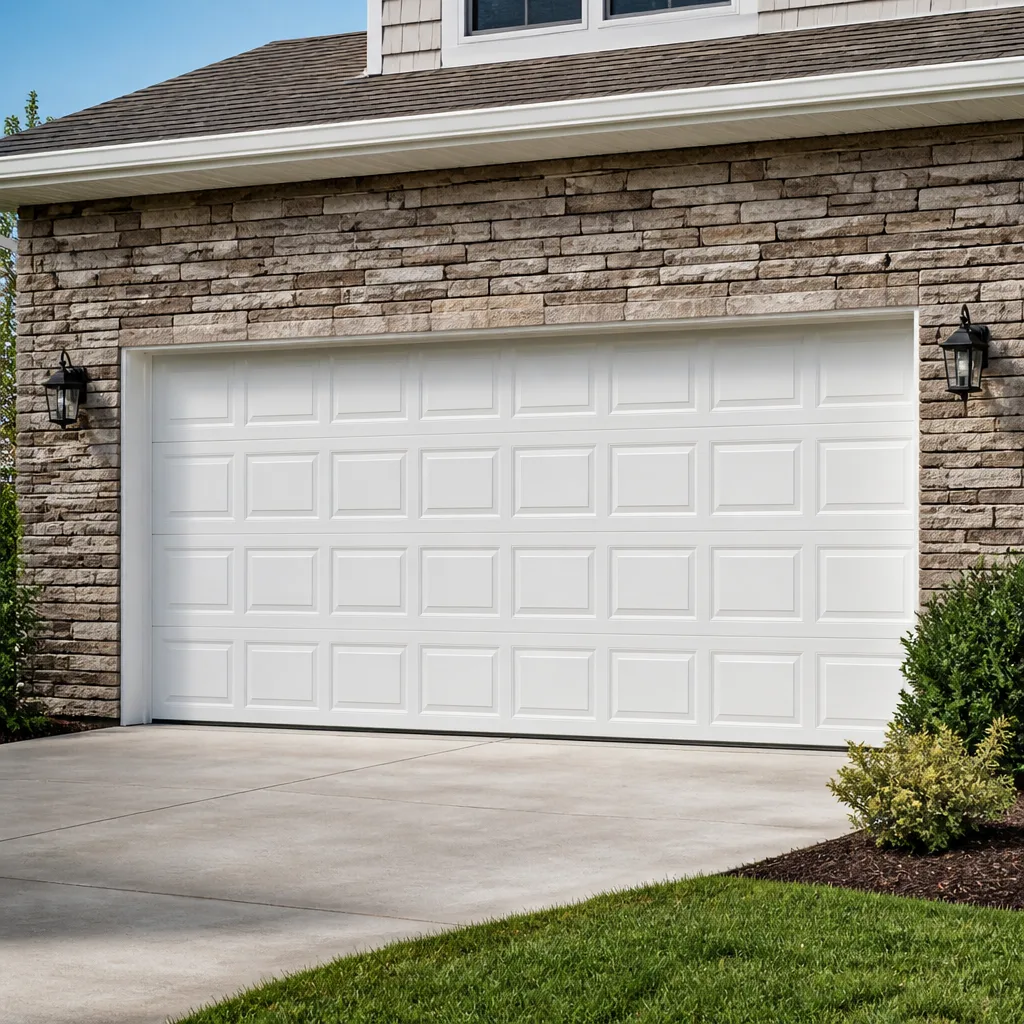 Raised-panel steel
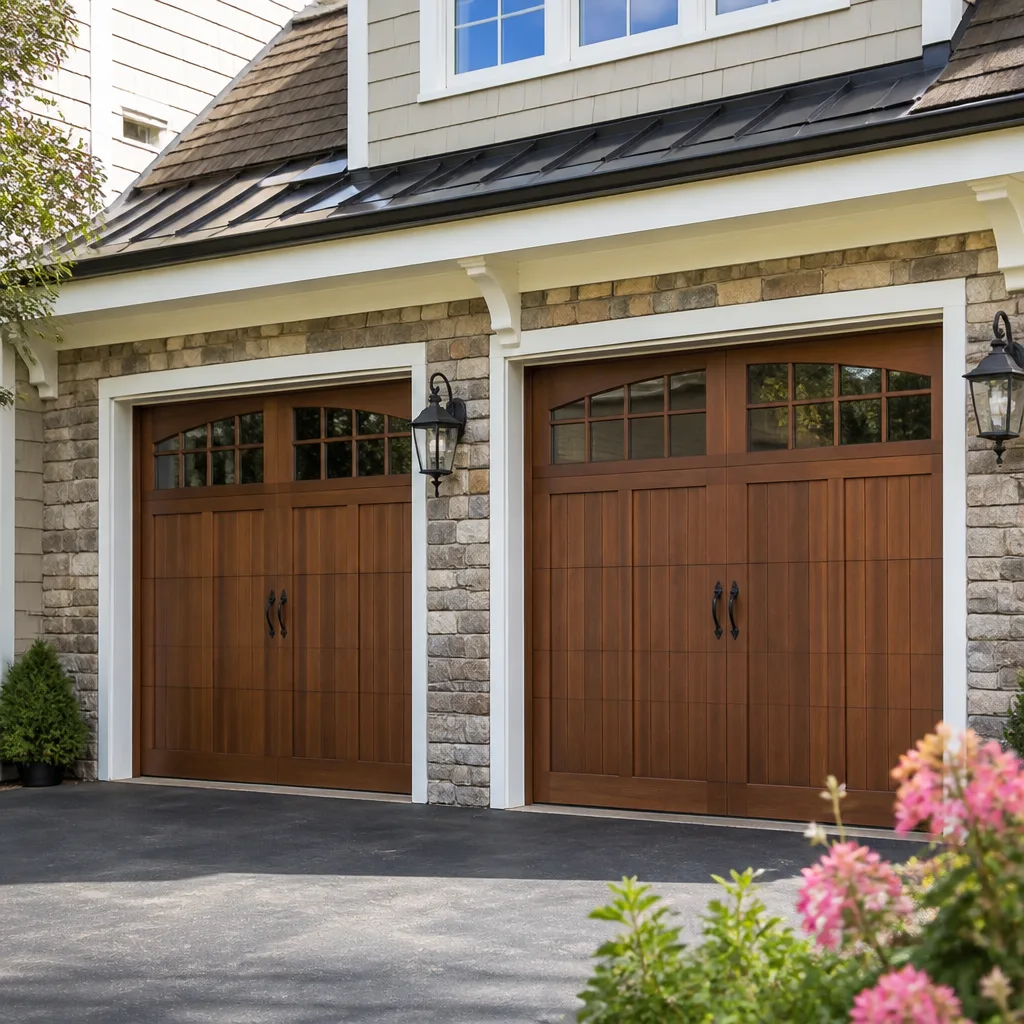 Carriage house
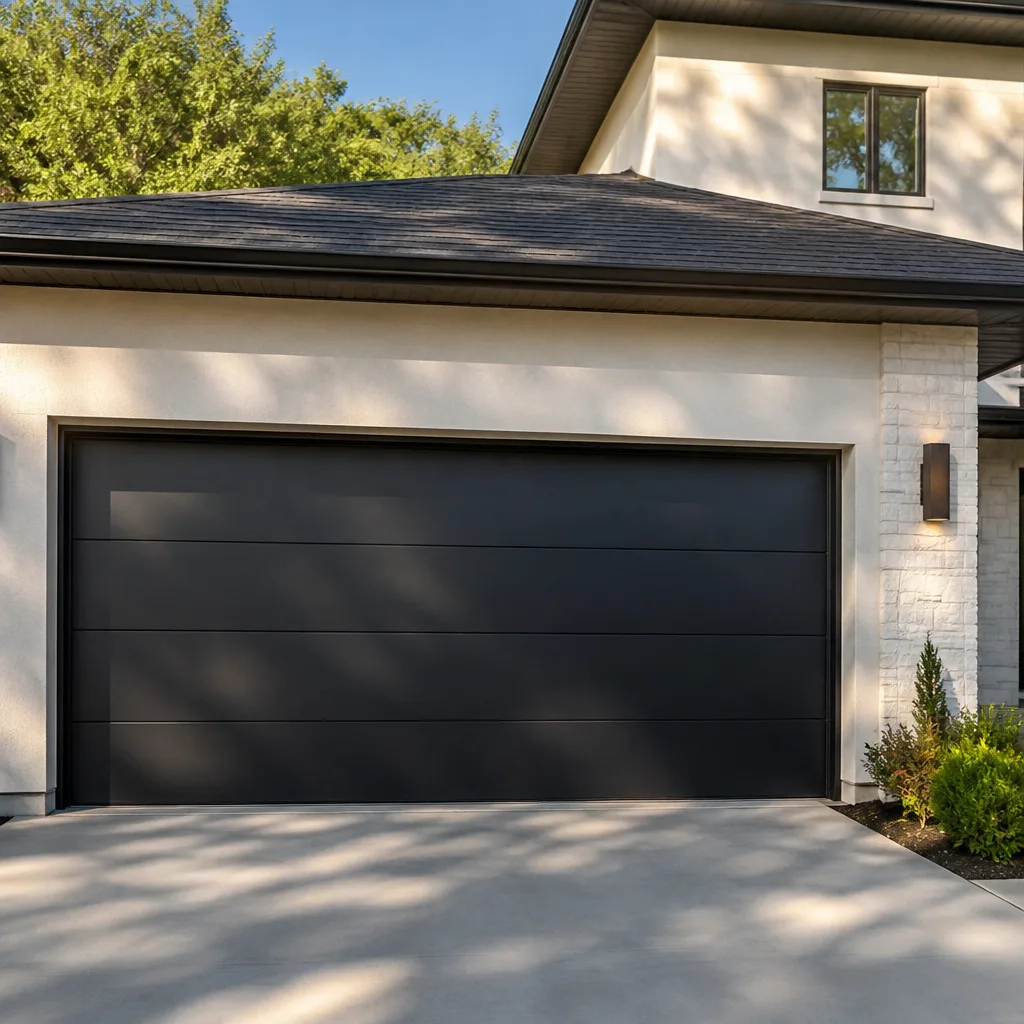 Modern flush
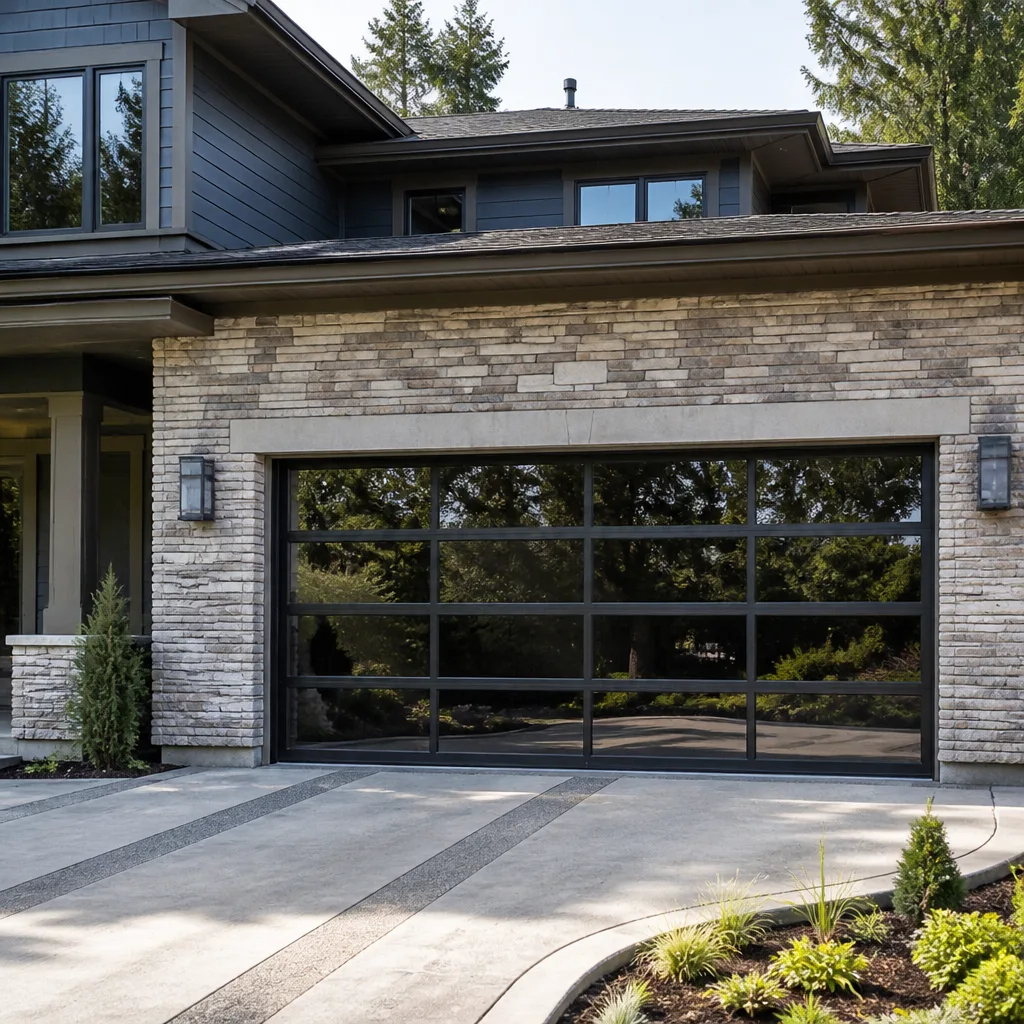 Full-view glass
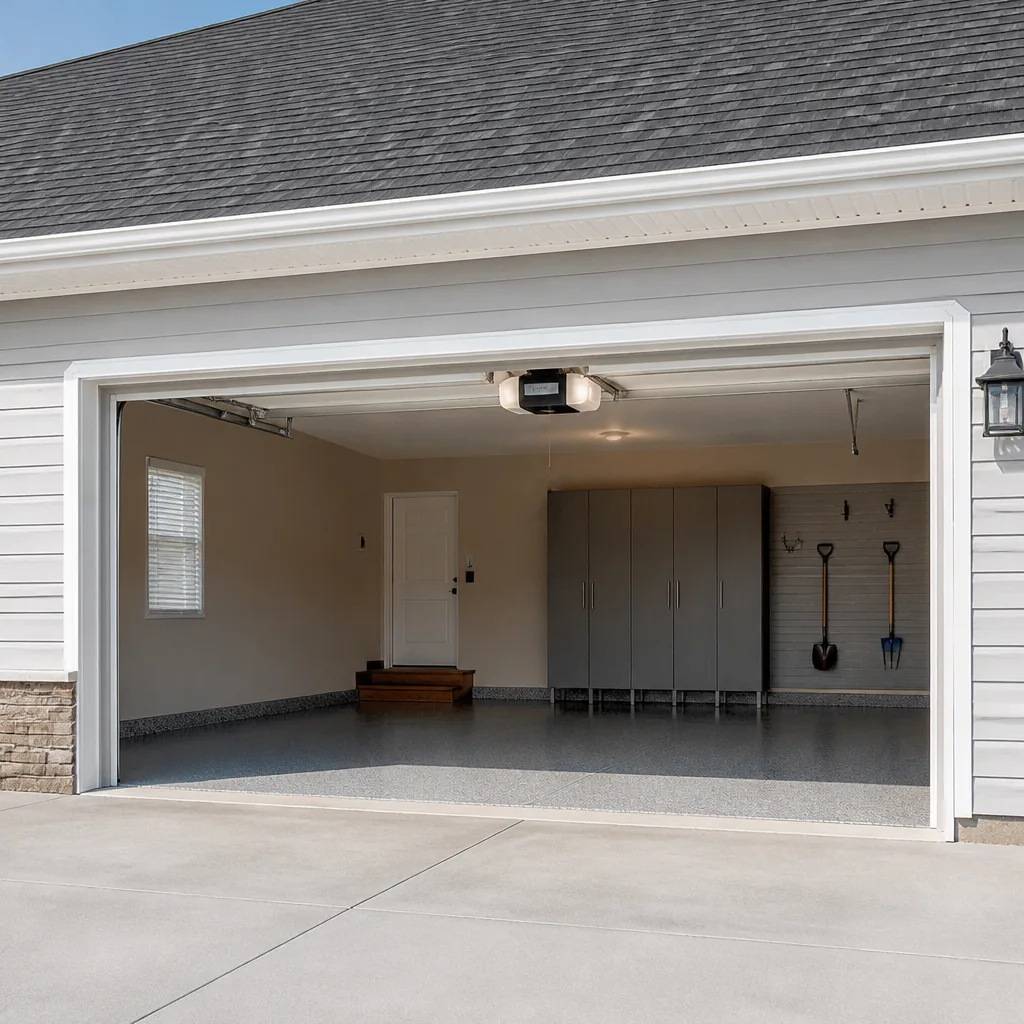 LiftMaster openers
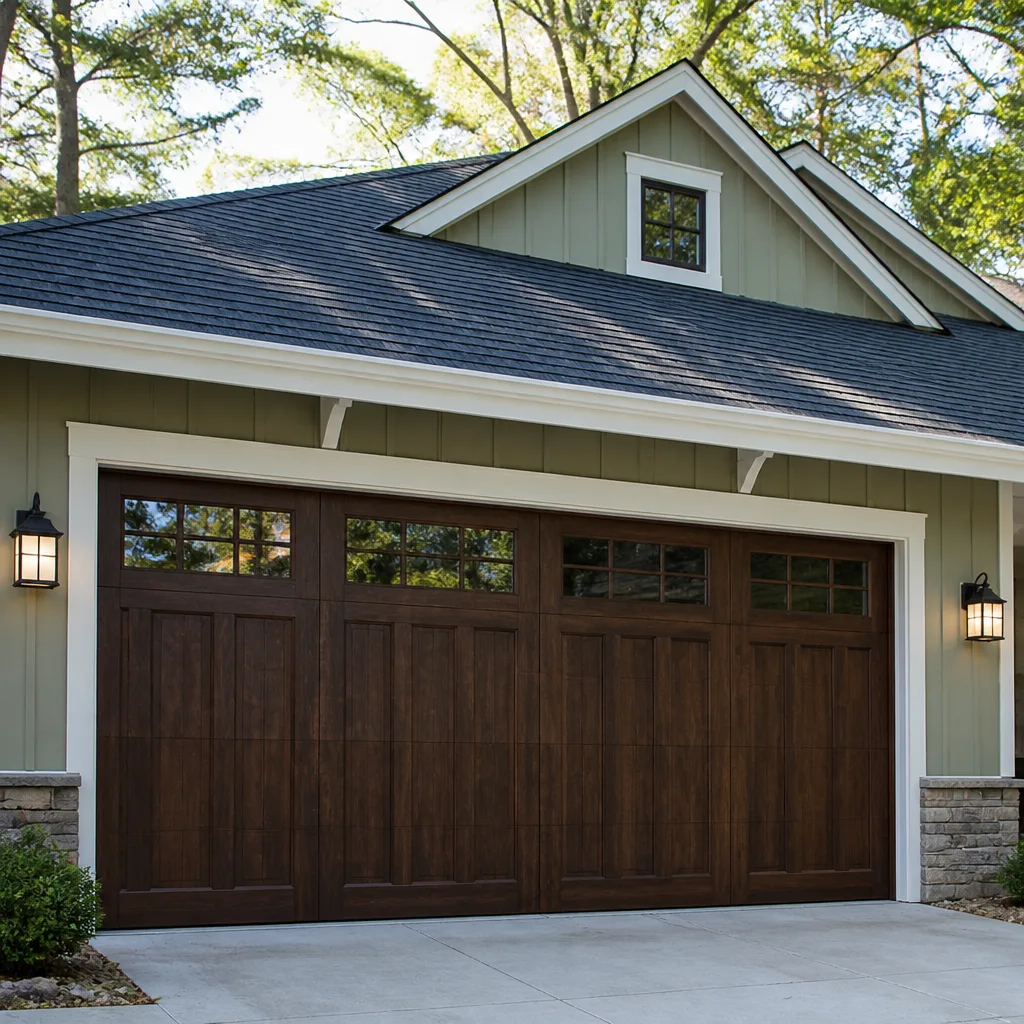 Chamberlain openers
Full 25-point door and opener safety check with every visit - springs, cables, rollers, tracks, and your LiftMaster or Chamberlain opener included
You get a price before we start. It does not change when the pro arrives.
Get your free estimateGarage Door Repair Maintenance Schedule: What to Do and When
Most homeowners treat a garage door like a wall – it’s there, it works, and nobody thinks about it until it doesn’t. That’s the wrong model. A garage door is a machine with moving parts under load every single day, and each part wears on a fairly predictable timeline. The spring that lifts a 150-pound door has a finite cycle rating, the opener’s gears and rails wear at known intervals, and the rollers and hinges degrade quietly long before anything fails. Build a maintenance schedule around those intervals and you spend a few minutes a season instead of a rushed emergency call in the middle of a West Hartford winter. This guide lays out the full cycle-count math, the seasonal tasks that matter here, and which lubricants go on which parts.
Quick Answer
A garage door should be inspected monthly (visual), lubricated every six months, and have its springs, cables, and opener checked annually by a professional before winter. Seasonal tasks in West Hartford focus on freeze-proofing the bottom seal in fall, checking balance and rollers in spring, and clearing snow and ice from the door threshold through the winter months. Every garage door system has a predictable wear timeline, and matching your maintenance to that timeline is what separates a door that lasts decades from one that fails in a cold snap.
Styles & brands we work with
- Raised-panel steel
- Carriage house
- Modern flush
- Full-view glass
- LiftMaster openers
- Chamberlain openers
Table of Contents
- The Cycle-Count Math: How Much Life Is Left in Your Springs?
- Seasonal Maintenance in West Hartford: Spring, Summer, Fall, Winter
- Month-by-Month Breakdown
- Lubricant Guide: What to Use on Which Parts (and Why Not WD-40)
- Opener Maintenance by Brand
- How to Log Maintenance to Protect Your Warranty
- Why Doors Fail in West Hartford Winters
The Cycle-Count Math: How Much Life Is Left in Your Springs?
Every torsion spring has a rated lifespan measured in cycles – one cycle is a single open-and-close. Standard residential springs are commonly rated in the range of 10,000 cycles, though heavy-duty and high-cycle springs go higher. The question is where your door sits in that countdown, and you can estimate it from daily usage.
Count how many times your door opens and closes on a typical day. A household where two people commute and one teenager drives to school might see four to six cycles per day. Someone working from home might see two. Someone running a small business out of the garage might see twelve or more.
Do the math: a 10,000-cycle spring used four times a day works out to about 2,500 days, or roughly seven years. At eight cycles a day, that drops to under three and a half years. At two cycles a day, you stretch past thirteen years. Same spring, wildly different timelines. This is why “replace your springs every ten years” is bad advice – it ignores how hard you actually use the door.
There’s a second variable: cycle life assumes the spring is properly tensioned, the door is balanced, and nothing else is dragging. A door that’s out of balance forces the spring to work harder on every lift, and that drives the cycle countdown faster. If you’re not sure where your door sits, a professional inspection can check the spring’s condition against the door’s weight and give you a realistic remaining lifespan. In West Hartford, where springs cycle through cold winters and humid summers, that check is worth doing before the first freeze.
Seasonal Maintenance in West Hartford: Spring, Summer, Fall, Winter
Garage door maintenance isn’t uniform across the calendar. The stresses shift with the weather, and the tasks should shift with them. West Hartford’s seasons are distinct enough that each one brings specific things to check.
Spring
Spring is the recovery season. The door has just come through a winter of freeze-thaw cycles and salt-and-sand grit tracked in from the driveway. Check the bottom seal for cracks and compression, look for rust on the hinges and roller stems, and test the door’s balance by disconnecting the opener and lifting it halfway. A door that won’t hold position is a door with a problem. Also wipe the tracks clean and inspect for bends or debris lodged inside.
Summer
Heat and humidity are harder on the opener than the door. Check the opener’s motor housing for signs of overheating, listen for new grinding or clicking sounds, and test the safety reverse feature. Most openers have a photoelectric sensor at the base of the track; break the beam by hand and the door should reverse immediately. If it doesn’t, the sensors need adjustment or replacement. Summer is also a good time to check the weatherstripping and give the moving parts a fresh application of lubricant before the cold returns.
Fall
Fall is prep for winter, and it’s the most important seasonal window in West Hartford. Freeze-proof the bottom seal by checking that it sits tight against the floor across its full width – any gap lets cold air in and can freeze the seal to the concrete. Lubricate hinges, rollers, and the torsion spring with a cold-rated lubricant, because a summer-grade grease thickens in cold and drags on the opener. Test the door’s balance, have the springs and cables inspected, and clear the tracks of any debris before the first hard freeze.
Winter
Winter is watch-and-react. Clear snow and ice from the threshold, never force a frozen door open (it can snap a spring or strip the opener gear), and listen for a heavier motor note or slower lift, which can signal that the cold has thickened the lubricant or that the spring is losing tension. If the door lifts unevenly or the opener strains, stop using it and call for service. For those moments, our garage door repair team handles the diagnosis.
Month-by-Month Breakdown
If you want a schedule you can actually stick to, here’s what a full year of garage door maintenance looks like when broken down by month. The intent is to catch problems while they’re still small and cheap to fix.
- January: Clear snow and ice from the threshold weekly. Listen for new sounds from the opener. Don’t force a frozen door.
- February: Inspect the bottom seal for freeze damage. Check the safety reverse feature. Note any uneven lifting.
- March: Full inspection – tracks, hinges, rollers, springs, cables. Wipe tracks clean. Test balance with the opener disconnected.
- April: Lubricate hinges, rollers, and spring. Check weatherstripping. Clean and inspect the opener’s drive rail.
- May: Test the opener’s force settings (most units have an adjustment dial). Inspect the door panels for dents or loosening.
- June: Check the photoelectric sensors at the base of the track. Clean the lenses. Inspect the opener’s motor housing for heat.
- July: Reapply lubricant to the hinges and rollers. Check the door’s balance again. Look for rust on exposed metal.
- August: Inspect the spring’s coils for separation or gaps. Check cables for fraying. Note the opener’s response time.
- September: Cold-weather prep begins. Lubricate with a cold-rated product. Check the bottom seal for a tight fit.
- October: Full pre-winter inspection. Have springs and cables checked. Test the balance. Clear the tracks.
- November: Verify the door closes fully without gaps. Check the opener’s remote and keypad. Clear the threshold of leaves and debris.
- December: Watch for freeze-related symptoms. Clear snow. If the opener struggles in cold, call before it fails.
You don’t need to memorize this. Print it, put it on the wall by the door, and check off each month. In our experience the homeowners who keep a schedule catch worn springs and fraying cables months before they fail – and they call us for a repair, not an emergency.
Lubricant Guide: What to Use on Which Parts (and Why Not WD-40)
Lubrication is where most DIY maintenance goes wrong. WD-40 is the most common garage door mistake – it’s a solvent and light oil, not a lasting lubricant, and it actually attracts dust and grit that accelerate wear on rollers and hinges. It also evaporates faster than the parts need. Use it to loosen a stuck bolt if you like, but not as your maintenance product.
Here’s the right lubricant for each part:
- Torsion spring: A dedicated garage door spring lubricant or a lithium soap-based grease. The spring is under extreme tension and needs a lubricant that stays put.
- Hinges: Lithium grease or a silicone-based spray. Apply a light coat to the pivot points, not the whole hinge.
- Rollers: Silicone spray on the roller stems (never the wheels themselves – grease on the wheels makes them slide instead of roll). Nylon rollers generally need less than steel rollers.
- Tracks: Do not lubricate the tracks. They should be clean and dry. Lubricant on the tracks collects grit and causes the rollers to bind.
- Bottom seal: A silicone spray along the seal’s contact edge keeps it flexible and prevents freezing to the concrete.
- Opener drive rail: Follow the opener manufacturer’s guidance – LiftMaster, Chamberlain, Genie, and Raynor each specify different products for their drive systems. Using the wrong grease on a screw-drive or belt-drive rail can damage the unit.
For cold weather in West Hartford, switch to a cold-rated lubricant in fall. A summer-grade grease thickens below freezing and makes the opener work harder on every lift, which shortens its lifespan. The brand-specific rules matter here too – we’re factory-familiar with LiftMaster, Chamberlain, Genie, and Raynor systems, and each has slightly different lubrication guidance. If your opener is one of these, check the manual before applying anything to the drive rail. If your opener is struggling despite lubrication, our garage door opener repair team can diagnose the issue.
Opener Maintenance by Brand
Garage door openers aren’t interchangeable, and the maintenance tasks that matter vary by brand. The four most widely installed in West Hartford homes are LiftMaster, Chamberlain, Genie, and Raynor, and each has quirks worth knowing.
LiftMaster and Chamberlain share a lot of engineering – both brands use similar safety-reverse systems and drive rails. The key maintenance tasks are testing the safety reverse monthly, checking the force adjustment twice a year, and keeping the drive rail clean. Chamberlain units often have more diagnostic LED codes than LiftMaster, so if your opener flashes a pattern, check the manual before assuming it’s broken.
Genie openers tend to have more belt-drive and screw-drive models than LiftMaster or Chamberlain. Belt-drive units are quieter but need occasional belt tension checks; screw-drive units need the grease replenished on schedule. A Genie that starts sounding louder than usual often needs the drive mechanism serviced before the motor fails.
Raynor openers are commonly paired with Raynor doors, and the maintenance is straightforward but brand-specific. Raynor recommends regular visual inspection of the drive system and testing the safety features. If you’re not sure what brand of opener you have, the label is usually on the motor housing or the back of the unit – a five-second look tells you a lot about what maintenance it needs.
We work on the brand you already have, which means we don’t try to sell you a replacement because we can’t diagnose the one you’ve got. We’re certified to work on all four of these brands plus Clopay, Amarr, Wayne Dalton, and Craftsman. If your opener needs service, our garage door opener repair team diagnoses by brand-specific logic. If you’re looking for reasons to replace versus repair, our full garage door repair guide covers the call.
How to Log Maintenance to Protect Your Warranty
Most garage door warranties are voided by neglected maintenance, not by defects. The fix is to keep a log – a simple document that records what you did, when you did it, and what you found. Logs also help you spot accelerating wear patterns, which are the early warning signs of a bigger problem.
Here’s what to record:
- Date and task: What you did (lubricated hinges, tested safety reverse, inspected spring, etc.).
- Observations: Anything unusual – a new sound, a stiffer lift, a gap in the bottom seal, a spot of rust.
- Opener behavior: Did the safety reverse work? Did the door lift evenly?
- Spring condition: Any visible gap in the coils? Any change in the sound the door makes on lift?
- Professional visits: Who came out, what they checked or replaced, and their notes.
The log matters most in three situations: a warranty claim (proof of maintenance), a resale (a documented door is a selling point), and early detection. A door that suddenly goes from smooth to noisy in a single season is telling you something – and the log shows you exactly when the change started. When a professional comes out, ask for written notes to add to the log.
Why Doors Fail in West Hartford Winters
Cold weather is the most common trigger for garage door failure in this region. Not because the cold itself breaks things, but because it stresses every component at once. Understanding the mechanism helps you prevent it.
Here’s what happens when temperatures drop:
- Lubricant thickens. A summer-grade grease stiffens below freezing, so the opener has to work harder to move the door. That extra load wears the motor and the drive mechanism faster.
- Metal contracts. Springs lose tension, tracks and hinges develop small gaps, and the door can bind slightly in the tracks. The accumulated stress pushes a weak spring over the edge.
- Seals freeze. A bottom seal that sits tight against the concrete can freeze to it overnight. Forcing the door open rips the seal or strains the opener. This is why the fall seal check matters.
- Snow and ice block the threshold. A door that can’t close fully leaves the house exposed. That’s a security problem, not just a comfort one.
- Springs are already near the end of their cycle count. A spring that’s been through several years of daily use is already tired; winter is when it finally gives.
Our garage door spring repair team handles the safety-critical spring work – torsion and extension springs are one of the most hazardous DIY tasks in the home. If your door stops opening or you hear a loud bang from the garage, don’t troubleshoot it yourself. Call us. We answer 24/7. Fast dispatch from 7am to 7pm, Sunday through Friday.
Common Mistakes to Avoid
- Using WD-40 as your only lubricant. It’s a solvent, not a lasting grease. It attracts grit and evaporates fast, so parts wear faster instead of slower.
- Lubricating the tracks. The tracks should stay clean and dry. Grease on the tracks collects grit and binds the rollers – the opposite of what you want.
- Forcing a frozen door. If the seal is frozen to the floor, pulling harder snaps springs or strips the opener gear. Clear the ice first.
- Ignoring the safety reverse feature. It’s the single most important safety check on the system. Test it monthly; if it doesn’t reverse when the beam is broken, it needs attention.
- Replacing only one spring in a matched pair. The second spring is the same age and nearly as tired. Replacing both at once costs about half of what two separate service calls would.
- Skipping the fall prep. West Hartford’s winters are hard on lubricant and seals. A little pre-winter maintenance saves a lot of emergency calls.
- Not logging maintenance. A documented door is a warrantied door. Without a log, you can’t prove the door was maintained when a warranty claim lands.
See the difference
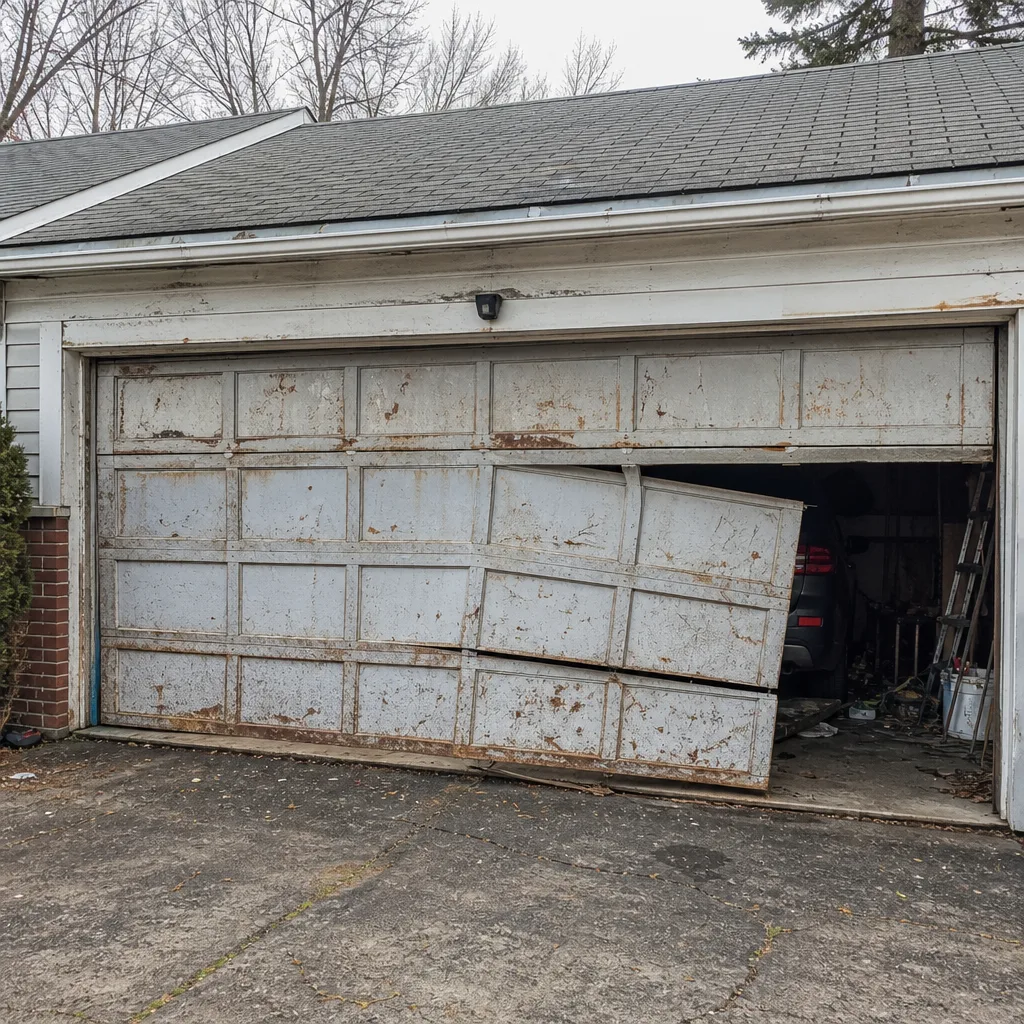 Before
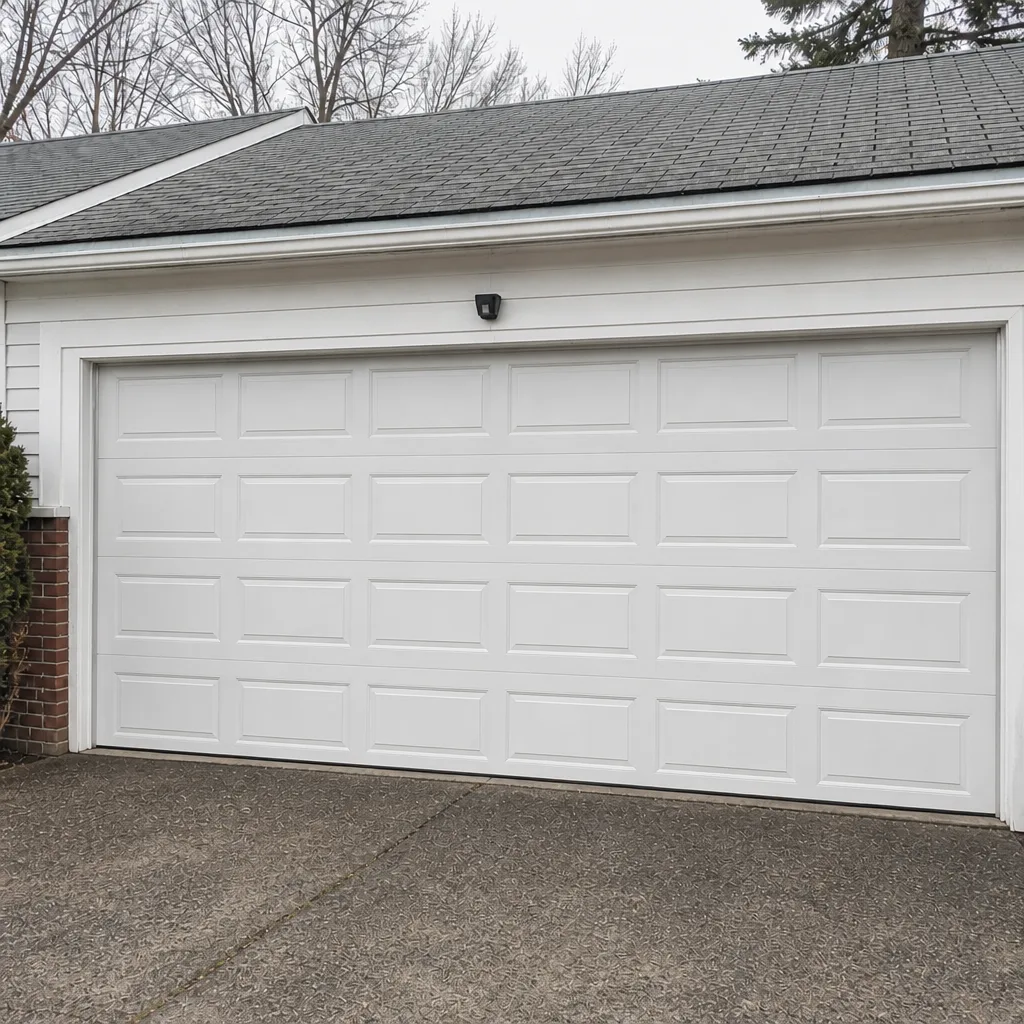 After
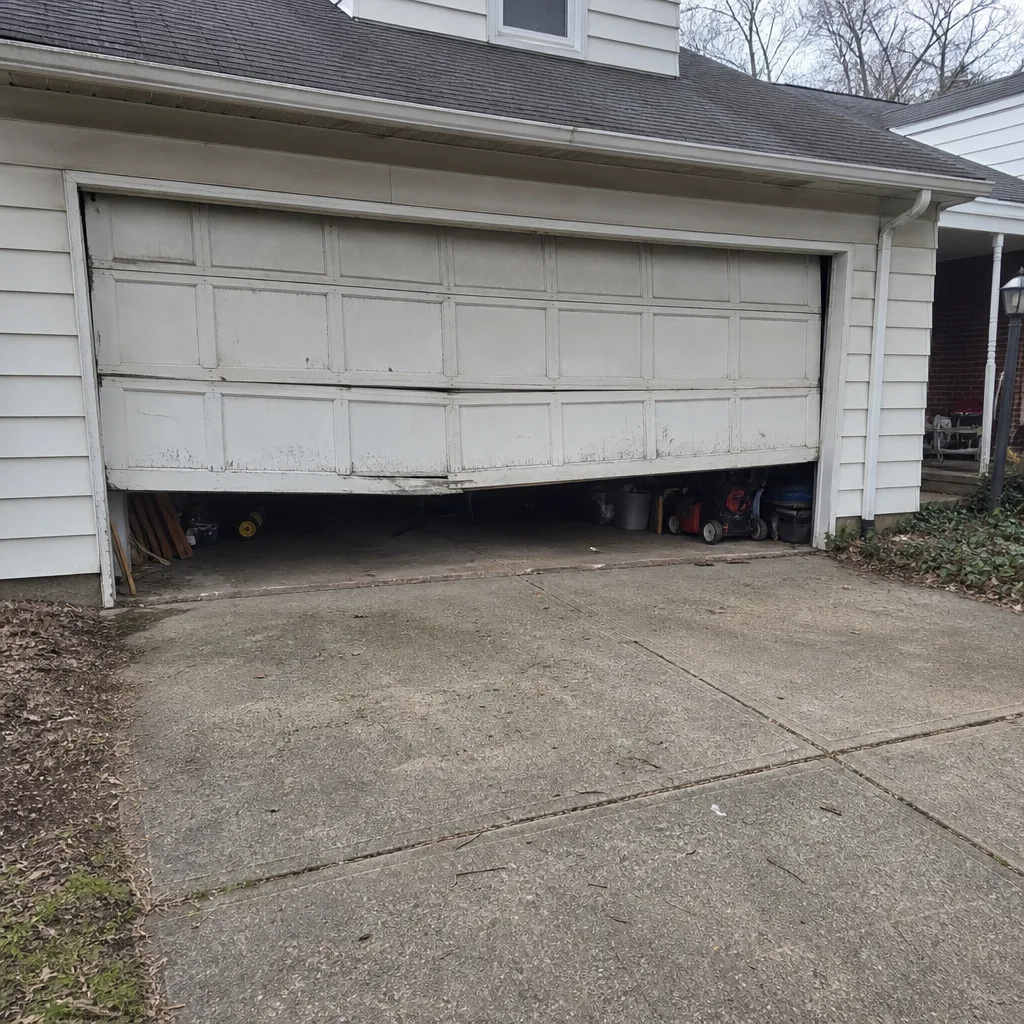 Before
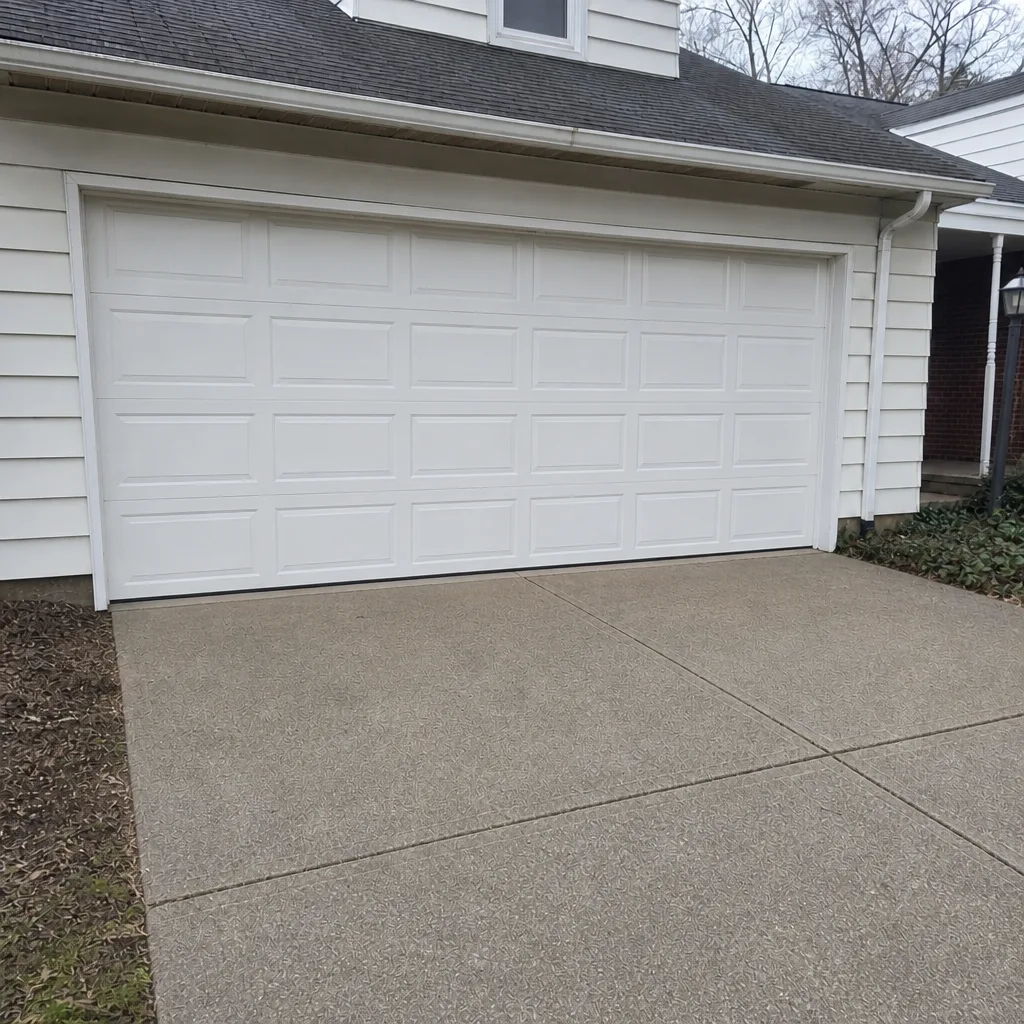 After
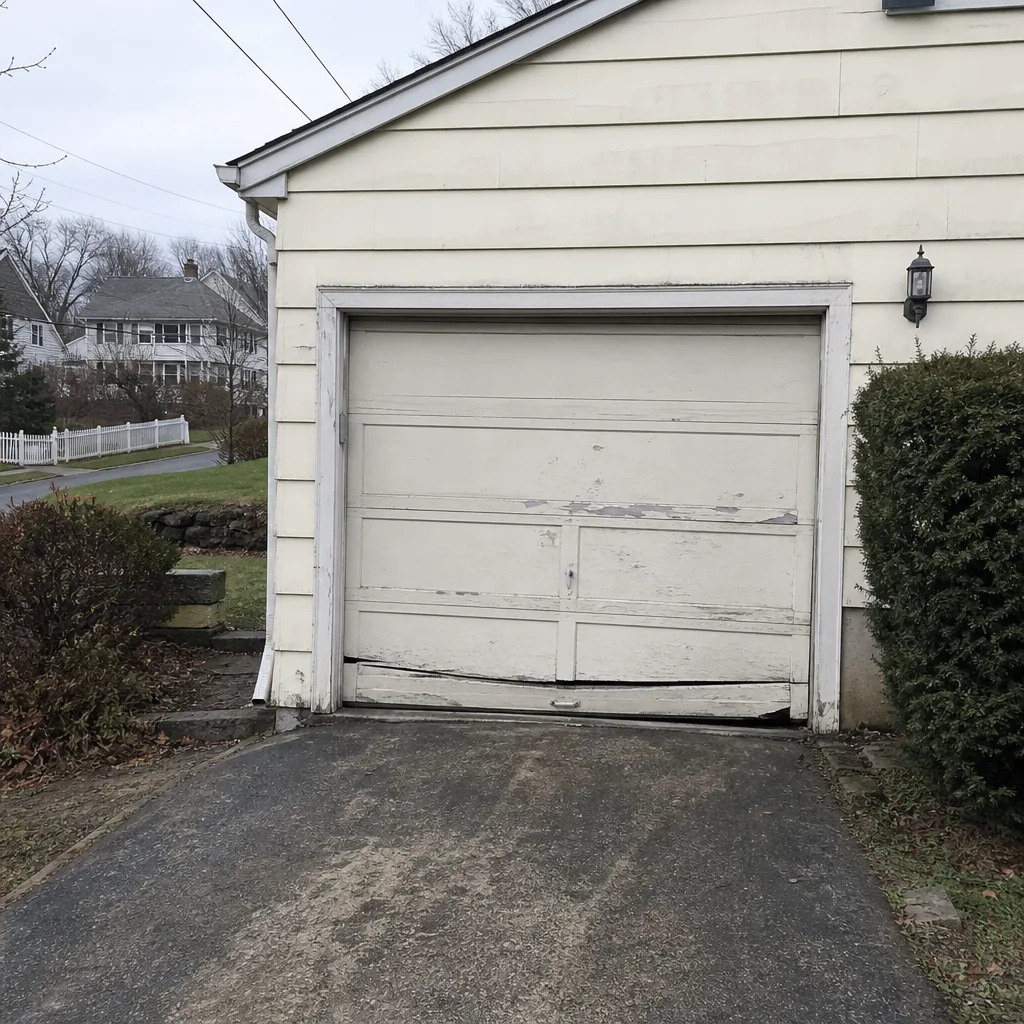 Before
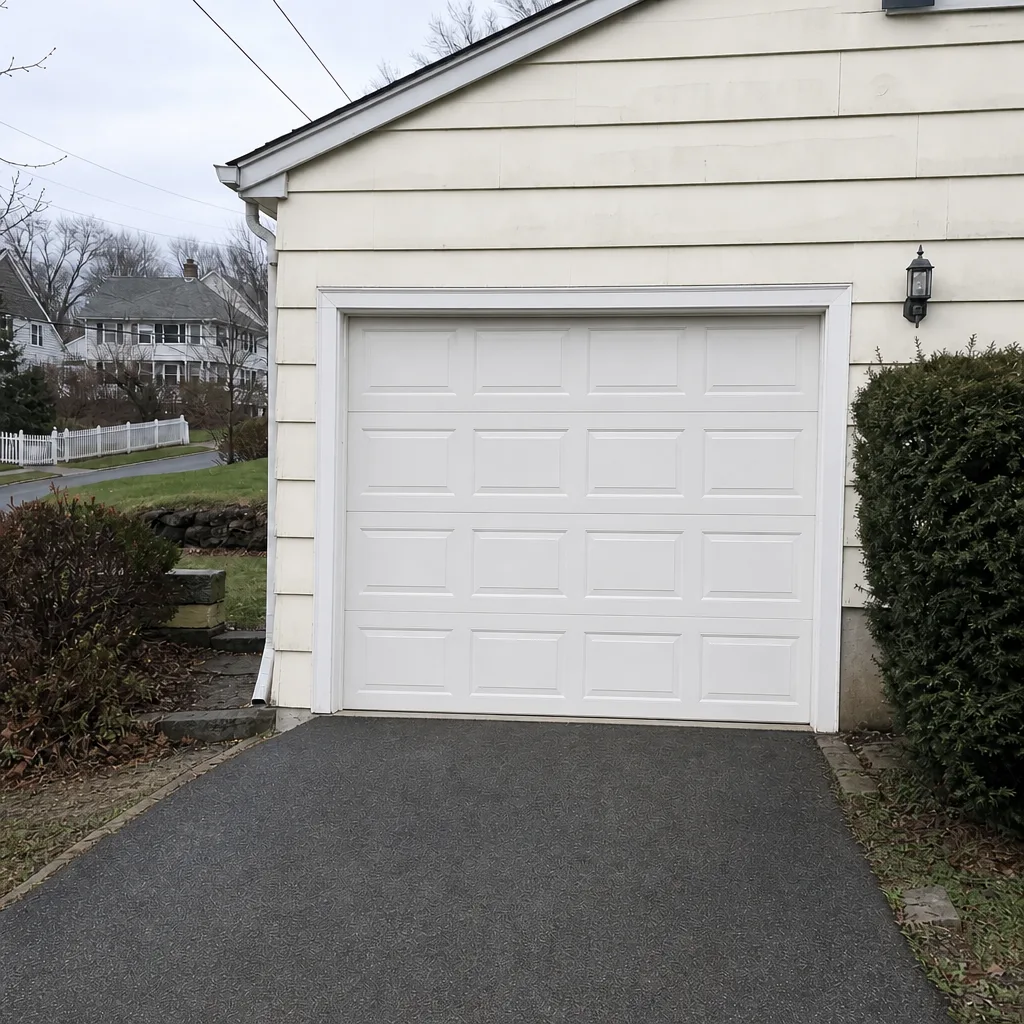 After
When to Call a Professional
Some maintenance is DIY-friendly – checking the safety reverse, cleaning the tracks, lubing the hinges. Some isn’t. If you see a spring with a visible gap, hear a bang from the garage, notice a fraying cable, or see a door that won’t lift evenly, stop using it and call. Spring and cable work is genuinely dangerous – the components are under extreme tension – and a snapped spring can cause serious injury if handled without the right tools. If the opener is making grinding or clicking sounds, or the door reverses without reason, that’s also a call. West Hartford Garage Door Repair offers free estimates in West Hartford – call (855) 814-3469. We answer 24/7. Fast dispatch from 7am to 7pm, Sunday through Friday.
Frequently Asked Questions
At minimum once a year by a professional, plus twice-yearly DIY lubrication and monthly visual checks. A door used four or more times a day benefits from two professional inspections per year. Pre-winter service is the most valuable single appointment in this climate.
Most standard residential torsion springs are rated for around 10,000 cycles, which translates to roughly seven years at four daily cycles and around three years at eight daily cycles. Actual lifespan depends on usage, balance, and lubrication. If you don’t know your door’s cycle count, a professional inspection can check the spring’s condition.
No – fall is the critical window in West Hartford. Winter is when cold, ice, and frozen seals do the most damage, and the maintenance tasks specifically designed to prevent that damage have to happen before the cold arrives. Spring maintenance is recovery; fall maintenance is prevention.
Not as a long-term lubricant. WD-40 is a solvent and light oil that evaporates quickly and attracts grit, which accelerates wear on hinges and rollers. Use a lithium grease for hinges and a silicone spray for rollers and seals instead. If you’ve already used WD-40, clean the parts and apply the right lubricant.
The safety reverse feature. Break the photoelectric beam at the base of the track with your hand and the door should reverse immediately. If it doesn’t, adjust or replace the sensors before using the door again. That’s the single most important safety check on the system.
For a full inspection, yes. A professional can measure spring tension, check cable condition, test the opener’s force settings, and catch the small problems that turn into winter failures. If you’re in West Hartford and want that pre-winter inspection done right, call West Hartford Garage Door Repair at (855) 814-3469 for a free estimate.
The Bottom Line
A garage door has a predictable wear timeline, and a maintenance schedule built around it catches problems before they become emergencies. Do the balance check monthly, lubricate every six months with the right product for each part, schedule a professional inspection every fall, and log what you find. In West Hartford, the seasonal tasks that matter most are fall freeze-proofing and pre-winter spring and cable checks. Our technicians have up to 12 years of experience, and we work on the brand you already have – LiftMaster, Chamberlain, Genie, Raynor, Clopay, Amarr, Wayne Dalton, and Craftsman. For a free estimate on repair, spring service, or a new installation, call (855) 814-3469. We answer 24/7. Fast dispatch from 7am to 7pm, Sunday through Friday. Visit West Hartford Garage Door Repair or call to book your seasonal inspection.
Written by the team at West Hartford Garage Door Repair.