
Last updated November 24, 2026
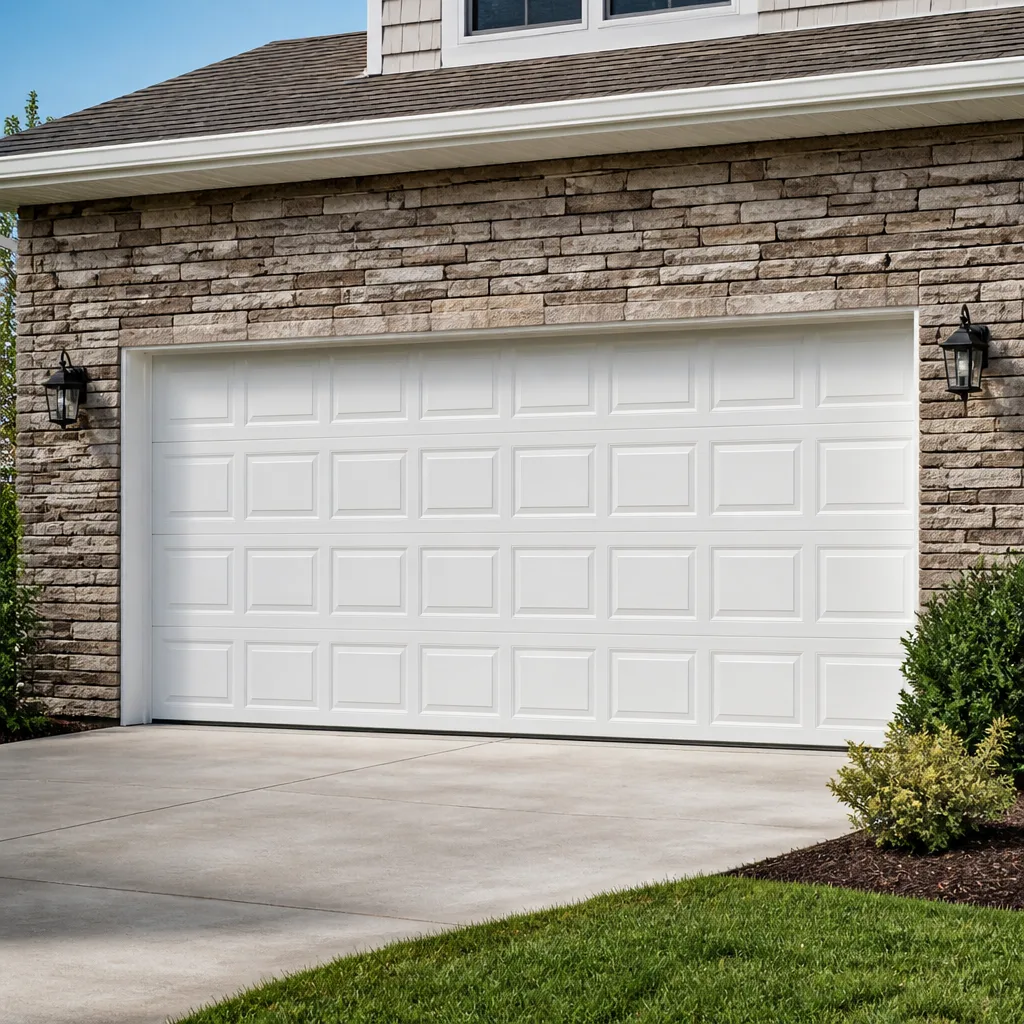 Raised-panel steel
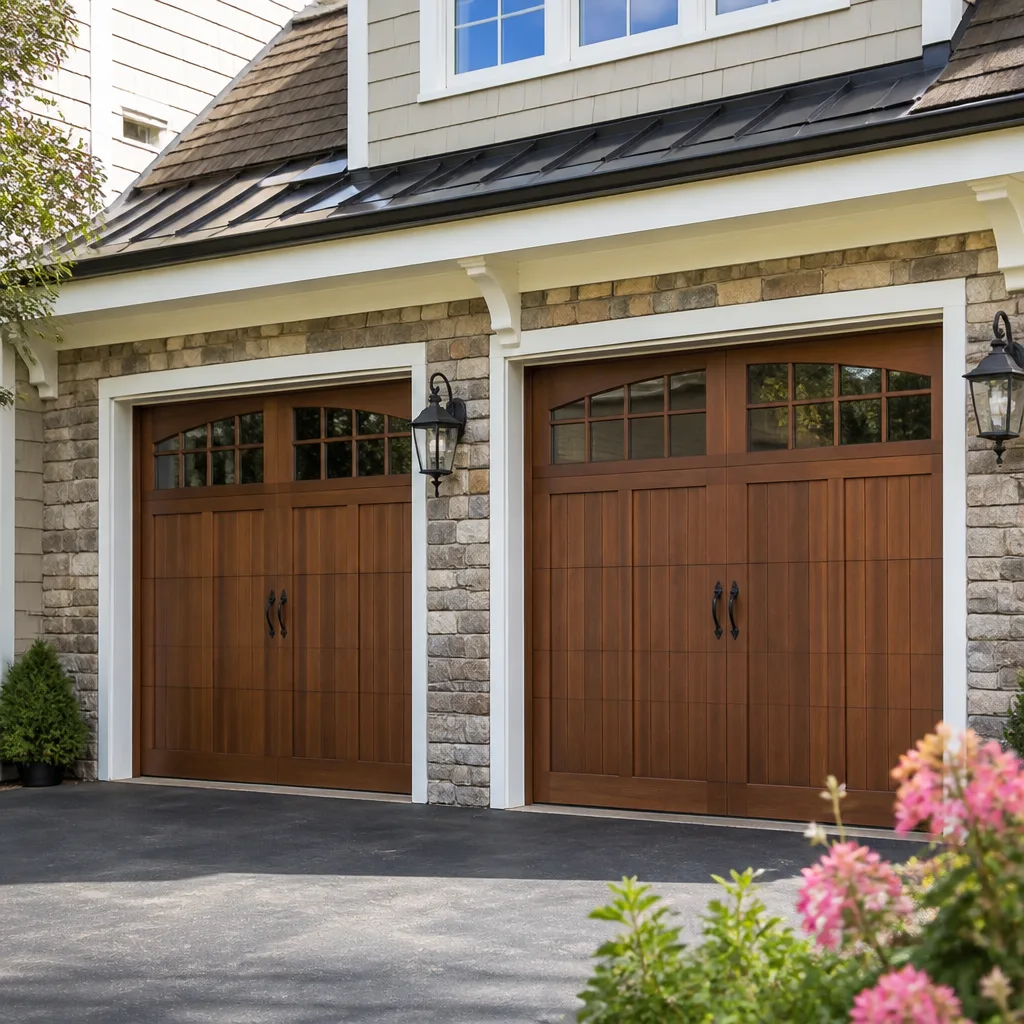 Carriage house
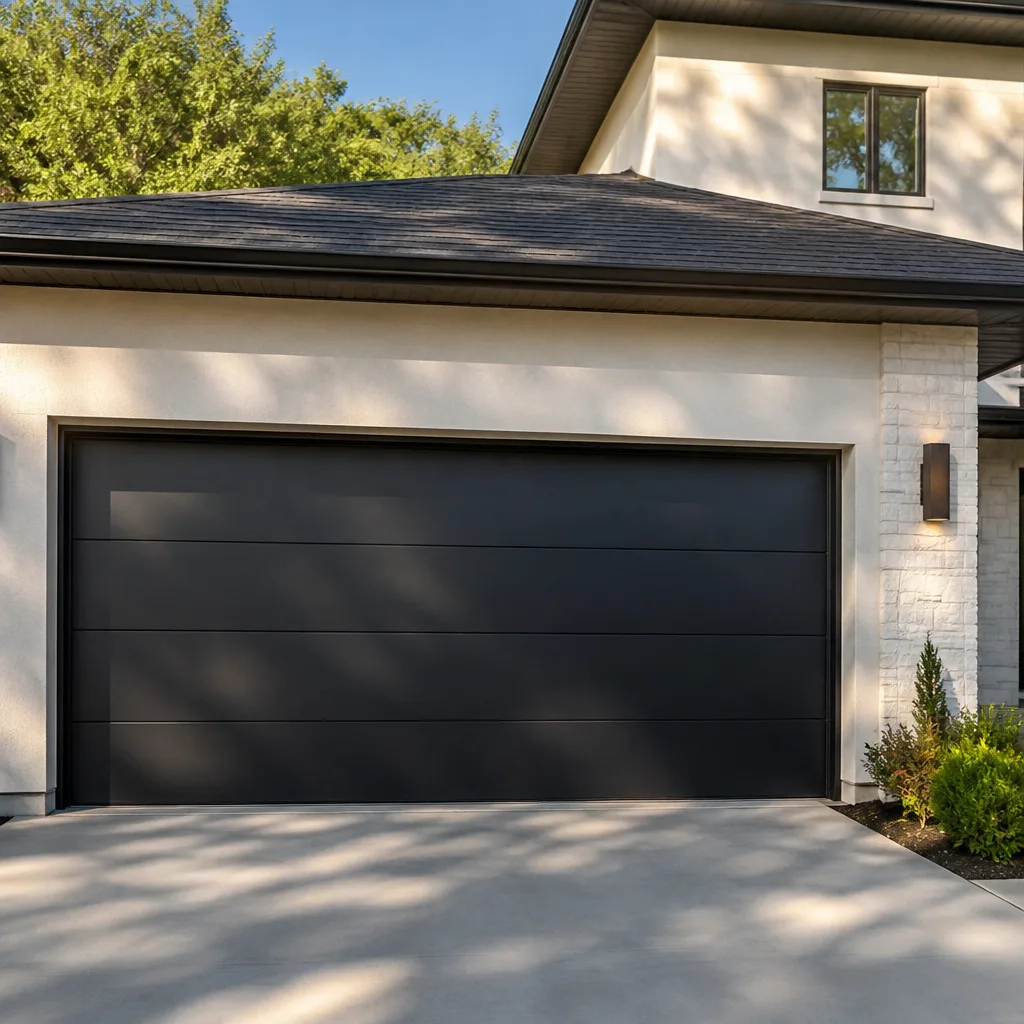 Modern flush
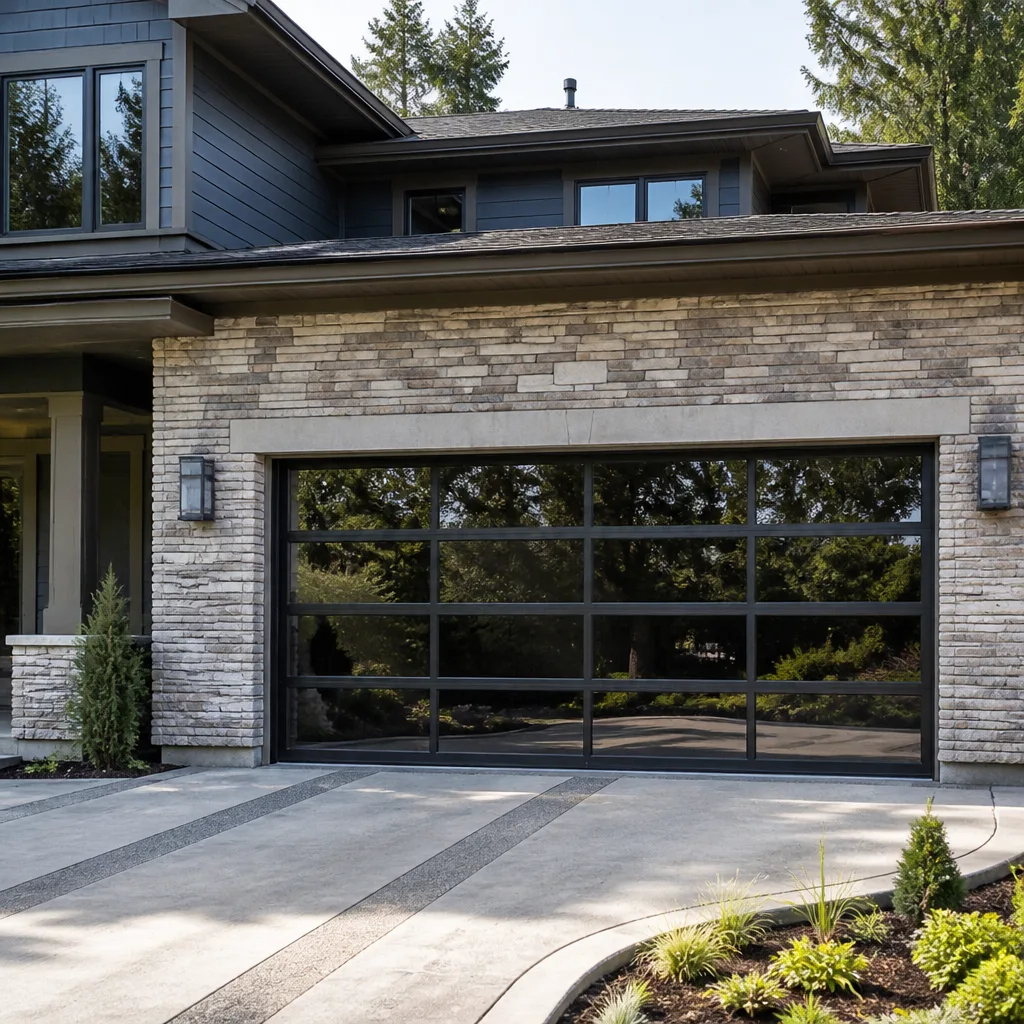 Full-view glass
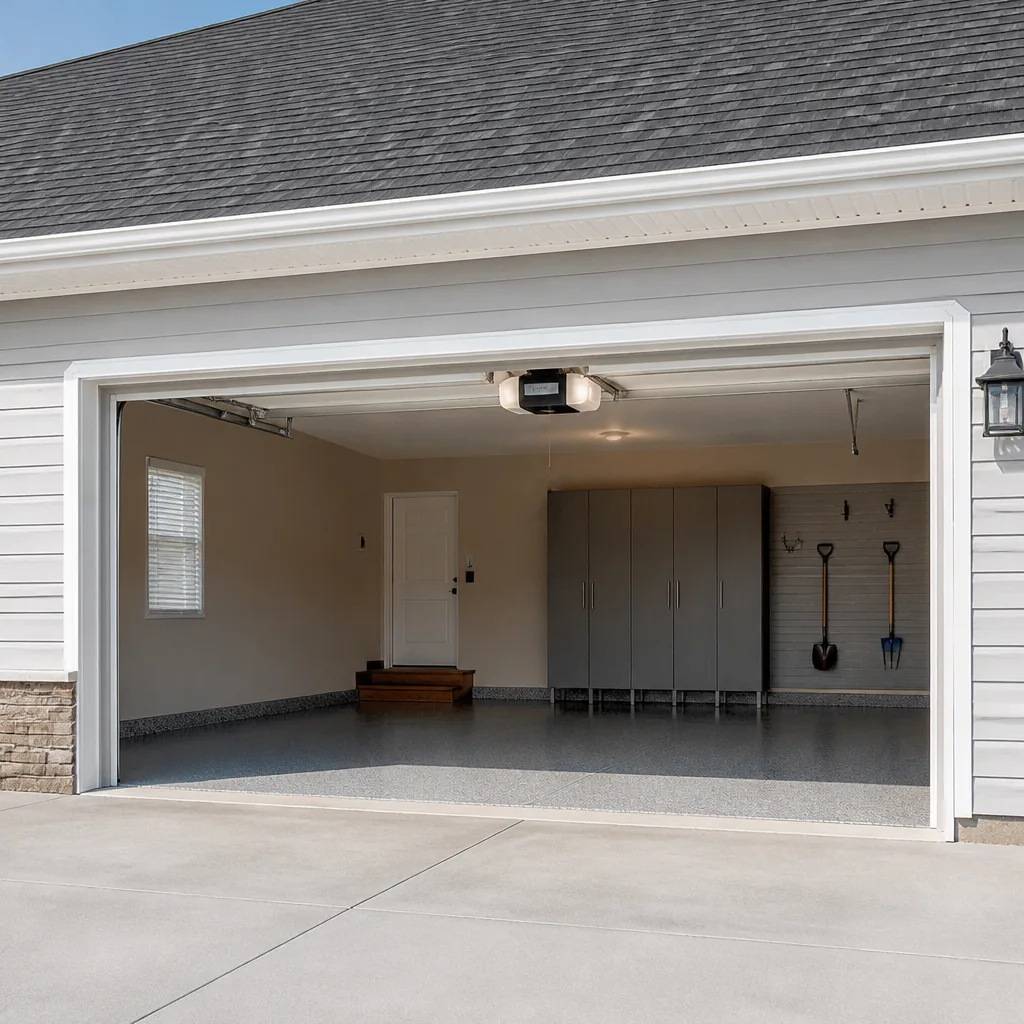 LiftMaster openers
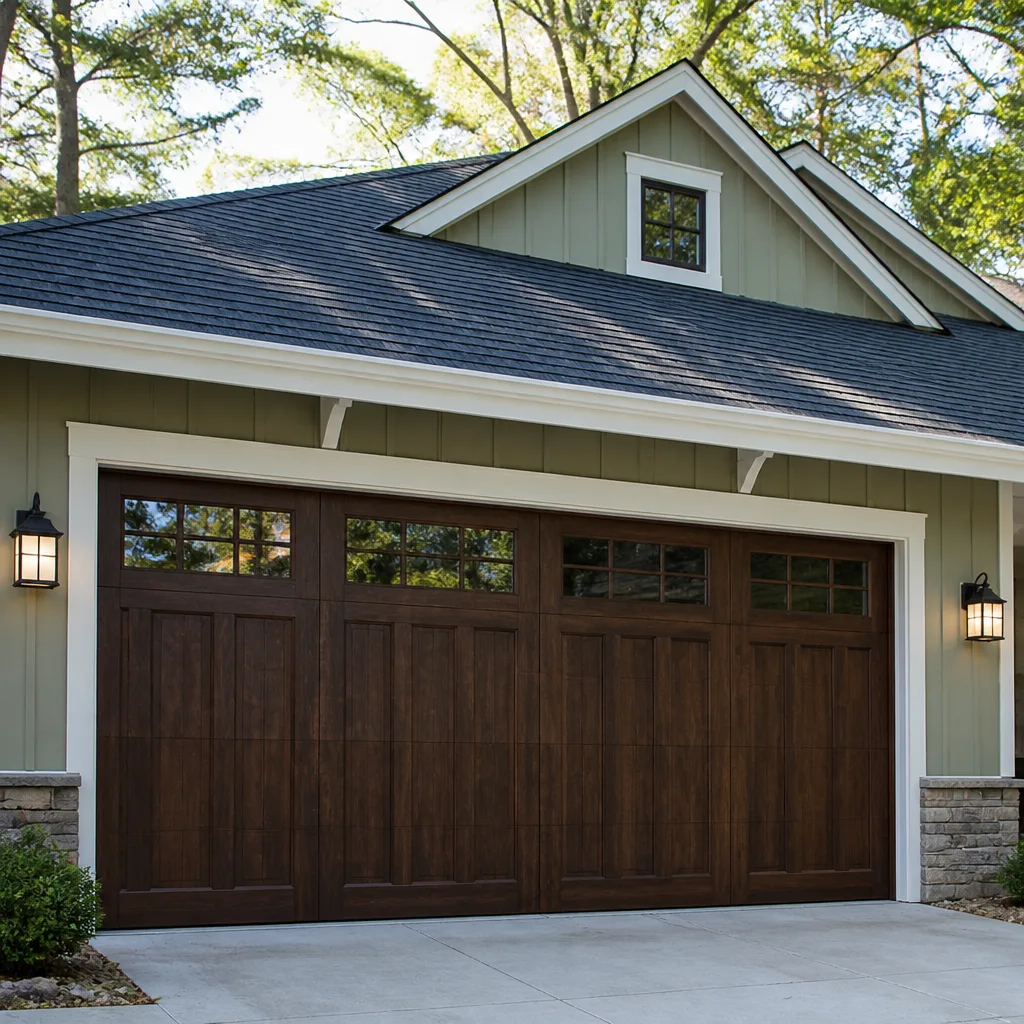 Chamberlain openers
Full 25-point door and opener safety check with every visit - springs, cables, rollers, tracks, and your LiftMaster or Chamberlain opener included
You get a price before we start. It does not change when the pro arrives.
Get your free estimateGarage Door Repair Troubleshooting in West Hartford: Common Problems and How to Fix Them
Your garage door doesn’t just stop working. It tells you why first, through a grind, a squeal, a shudder, a click, or a dead silence where a hum should be. Most homeowners hear the warning and file it under “deal with it later,” which is exactly when a cheap fix turns into a spring or track replacement. The trick to troubleshooting a garage door isn’t a toolbox full of guesses. It’s learning to read the symptom, trace it to the right component, and know the point where a ten-minute adjustment becomes a job for someone who does this daily. This guide maps every common garage door symptom to its root cause so you can tell the difference, whether you’re in a 1920s colonial near West Hartford Center or a newer build out toward Bishops Corner.
Quick Answer
Most garage door problems trace to one of six component groups: springs, cables, tracks, rollers and hinges, the opener, or the door panels themselves. Grinding points to rollers, tracks, or a failing opener gear; squealing points to dry or worn rollers and hinges; silence usually means a dead opener, tripped breaker, or a safety sensor issue. Spring and cable faults are never a DIY fix. Call a technician for those.
Styles & brands we work with
- Raised-panel steel
- Carriage house
- Modern flush
- Full-view glass
- LiftMaster openers
- Chamberlain openers
Table of Contents
- Symptom-to-Cause Map: What Your Door Is Telling You
- The Two-Finger Balance Test
- Springs and Cables: The Safety Line You Don’t Cross
- Tracking Down Track and Roller Problems
- Opener Diagnostics: Error Codes and Brand Logic
- Which DIY Fixes Are Actually Safe
- West Hartford Weather and Seasonal Door Wear
- When to Call a Professional
Symptom-to-Cause Map: What Your Door Is Telling You
The single most useful troubleshooting skill is learning to separate the three sounds a failing door makes, because each one sends you to a completely different part of the system. This is where most homeowners go wrong: they hear a noise, assume “the opener,” and replace a motor when the real problem was a bent track or a roller that seized months ago.
Here’s the map we use on every diagnostic call in West Hartford:
- Grinding – metal-on-metal scraping as the door moves. Usually worn or seized steel rollers, a track that’s been bent out of alignment, or a stripped opener drive gear (common on older Chamberlain and Genie units with plastic gears).
- Squealing or squeaking – high-pitched friction. Almost always dry rollers, hinges, or a torsion tube that needs lubrication. This is the cheapest problem to fix and the most ignored.
- Clicking or popping – a sharp pop as the door cycles. Often a binding hinge, a loose panel fastener, or a torsion spring slipping on its shaft.
- Rumbling or shuddering – the whole door shakes as it travels. Worn rollers, a loose opener rail, or a door that’s lost balance and is fighting the opener.
- Complete silence (no hum, no movement) – dead opener, tripped breaker, disconnected power, or a wall control that isn’t sending a signal.
- Hum but no movement – the motor runs, the door doesn’t. Stripped gear, broken spring, or the manual release has been pulled.
Notice how “the door won’t open” splits into four different causes depending on what you hear. That’s the whole thesis of troubleshooting: the surface symptom is “stuck door,” but the underlying failure is unique every time. The same logic applies to the opener vs. the door itself, which is why we cover both sides of the system rather than sending you to two vendors. If you’d rather just have someone trace it for you, that’s what garage door repair covers.
The Two-Finger Balance Test
Before you touch anything on the opener, test the door itself. A garage door that’s properly balanced should lift with two fingers, hold position halfway up when released, and stay put. If it slams down or won’t stay open, the spring is losing tension, and the opener is being asked to do work it was never designed to do. Running a tired spring through a motor is the fastest way to burn out both.
- Disconnect the opener by pulling the manual release cord (the red handle) so the door is on manual.
- Lift the door slowly by hand to about waist height.
- Let go and watch. A balanced door stays. A door that drifts down has a weakening spring or an out-of-balance door.
- Lower it fully, then re-engage the opener by cycling it once.
If the door won’t hold at halfway, stop running the opener and get the balance checked before you use it again. Continuing to force it shortens the life of the motor and stresses the cables. A worn spring doesn’t announce itself loudly before it fails – it just quietly loses tension until one day it snaps. That’s why a two-finger test twice a year is far cheaper than a spring call. For spring-specific diagnosis, see garage door spring repair.
Springs and Cables: The Safety Line You Don’t Cross
Here’s the part of troubleshooting that separates a safe homeowner from an injured one. You can safely check the balance, the alignment, and the noise. You cannot safely replace a torsion spring or reattach a cable, and no guide should pretend otherwise. Those components store enormous energy, and a spring or cable under tension can cause serious injury in a fraction of a second if it lets go while you’re working on it.
What you can safely do is look and listen:
- Look at the spring above the door. A visible gap in a torsion spring means it’s broken. On extension springs (mounted along the horizontal tracks), check the safety cables are intact.
- Check that the door hangs level. A door that’s higher on one side than the other usually has a cable that’s jumped its drum or lost tension.
- Listen for a sharp bang from the garage. That’s often the sound of a spring failing, not a break-in.
What you must never do: wind or unwind a spring, loosen the set screws on a torsion system, or try to reattach a frayed or slipped cable. Spring repair is a safety job, and it’s one of the most hazardous DIY tasks in the trade. Our technicians are trained to work on torsion and extension springs with the right tools and procedures, which is exactly why spring repair is a dedicated service and not a general handyman add-on. Once a spring or cable is involved, garage door repair is where the job belongs.
Tracking Down Track and Roller Problems
Tracks and rollers sit on the safe side of the line. You can inspect them, clean them, and lubricate them yourself, and doing so prevents a large share of the grinding and squealing calls we get around West Hartford. A track that’s out of alignment drags on the rollers, and a seized roller grinds a groove into the track over time.
Here’s how to check track and roller health without touching the high-tension side:
- Stand back and sight down the vertical tracks. They should be parallel and plumb. A visible bow or bend needs straightening by a technician who can realign the door with it.
- Run a finger along the inside edge of each track – you’re feeling for rust, burrs, or a dent. Clean with a cloth and light spray lubricant. Do not grease or oil the track surface itself; the rollers need to roll, not slide.
- Inspect each roller. Nylon rollers should spin freely and be quiet. Steel rollers that are dry, flat-spotted, or grinding are done. Rollers are cheap to replace and one of the few parts a confident homeowner can swap.
- Check hinges and the torsion tube for loose fasteners and metal shavings. A hinge that’s pulling loose is a panel-damage risk if it’s left.
West Hartford’s freeze-and-thaw winters are hard on tracks. Moisture gets into a small bend or a roller, freezes, and widens the problem over a season. A visual pass every fall, before the cold sets in, catches most of it early. For anything involving a bent track or a door that’s jumped the rail, we handle garage door opener repair and track work together, since a misaligned door will keep tripping the opener’s safety reverse until the track is fixed.
Opener Diagnostics: Error Codes and Brand Logic
When the door plays dead, the opener tells you more than most people realize – if you know what to look for. LiftMaster and Chamberlain units use the same diagnostic language: an LED flash count on the motor head is their version of a fault code. Genie and other brands have their own. Diagnosing by brand rather than by guesswork is what saves a replacement motor when the real issue was a sensor.
General opener troubleshooting logic:
- Light flashes, door reverses immediately – safety sensor problem. Check the two sensors at the bottom of the tracks are lined up, facing each other, and clean. The sun hitting a sensor can also trip it.
- Wall button works, remote doesn’t – remote battery, lost programming, or radio interference. Re-pair the remote; if it still won’t take, the receiver board is suspect.
- Hum but no movement – stripped drive gear (common on older units) or a mechanical bind in the door. Test the balance first so you know which.
- Opens partway and stops – travel limits mis-set or a binding door. Adjust or check for obstruction on the tracks.
- Smart opener offline – Wi-Fi pairing or app issue rather than the motor. Most Wi-Fi openers just need to be reconnected to the network.
We’re factory-familiar with LiftMaster, Chamberlain, Genie, and Raynor systems, which means we read the flash codes and behaviors that brand by brand, not from a generic checklist. If you’ve got a Chamberlain unit doing something odd, the fix may be a ten-second reprogramming step. If it’s a gear failure, that’s a motor-mounted part we replace. Either way, garage door opener repair starts with knowing your brand.
Which DIY Fixes Are Actually Safe
Not every repair needs a technician, and telling you that honestly is part of doing the job right. Here’s the dividing line we draw for West Hartford homeowners.
Safe to do yourself:
- Lubricating rollers, hinges, and the torsion tube (not the tracks)
- Replacing rollers
- Re-pairing a remote or app
- Cleaning and aligning safety sensors
- Testing the balance by hand with the opener released
- Tightening visible, accessible bolts on hinges and brackets (never on the torsion system)
Not safe to do yourself:
- Any torsion or extension spring work
- Cable replacement or reattachment
- Adjusting the torsion shaft or winding cones
- Straightening a bent track when it involves the door’s weight
- Replacing a panel on a door under tension
The test is simple: if you’d need to release stored spring tension to do it, it’s a technician job. Everything else is fair game for a careful homeowner. When in doubt, a phone diagnosis can save you from guesswork on the safe stuff and stop you from starting the unsafe stuff. Clopay and Amarr panels, for instance, have specific panel-to-hinge fitments that are easy to get wrong without the right part number.
West Hartford Weather and Seasonal Door Wear
A garage door in West Hartford works harder than one in a mild climate. The freeze-thaw cycle that hits the area each winter moves wood framing and concrete garage floors, which shifts the door’s mounting points. A door that was perfectly aligned in October can bind slightly by February because the frame moved a fraction of an inch. That small shift shows up as a grinding noise, a reversing door, or a roller that’s riding hard against the track.
Springs also wear in relation to how often the door cycles, and most West Hartford homeowners run the door several times a day year-round in weather that’s rough on lubricant and metal alike. Cold thickens grease, high summer heat softens it, and both stress the spring. There’s also the door style question: older wood doors common in the established neighborhoods around West Hartford Center and Elmwood absorb moisture through the seasons, which can warp a panel and throw the whole door out of balance. Newer steel and composite doors from Clopay and Amarr hold alignment better but still move with the same framing.
A seasonal check saves real money here: lubricate in the fall, inspect tracks and rollers in the spring, and run the two-finger balance test after any stretch of hard freezing weather. Catch a worn spring or a slightly bent track before the season turns and you avoid the failure entirely. Miss it, and the door lets you know the hard way.
Common Mistakes to Avoid
- Replacing the opener when the real problem is the door. If the door is out of balance, binding, or has a weakened spring, a new motor will fail too. Balance and track issues first, motor second.
- Greasing the tracks. A common instinct, and the wrong one. Tracks should be clean and dry so the rollers roll. Grease them and the door skids and binds on them instead.
- Ignoring the warning sound. The grind, squeal, or pop is the door telling you what’s failing. Waiting until it quits entirely is where the bill goes from a lubrication-and-rollers job to a spring or track replacement.
- Trying to lift or wind a spring. The single most dangerous mistake on this list and a hard stop. Spring repair is not a homeowner task, no matter how many videos you’ve watched.
- Reattaching a frayed cable with a clamp. A cable under tension needs to be reattached properly at the drum, not clamped. It’s a safety failure and a door that will slip again.
- Assuming a West Hartford winter won’t affect the door. The freeze-thaw cycle moves framing and stresses springs. A door that “worked fine” in fall can bind by January without anything being dropped on the track.
- Forgetting smart-openers after a power outage. Wi-Fi openers can drop offline after an outage or storm. Re-pairing from the app in a couple of minutes usually beats assuming the unit is dead.
When to Call a Professional
Call a professional the moment the problem involves a spring, a cable, a bent track that’s carrying the door’s weight, or an opener whose fault you can’t trace after the safe checks. Those are the cases where the wrong move costs a lot more than the repair. A grinding that turns into a snapped cable, a door that reverses because a spring gave out, an opener that hums but won’t lift – all of those are the point to stop troubleshooting and start making a call.
West Hartford Garage Door Repair offers free estimates in West Hartford, and our technicians have up to 12 years of experience diagnosing the exact symptom-to-cause problems this guide covers. We answer 24/7. Fast dispatch from 7am to 7pm, Sunday through Friday, closed Saturday – call (855) 814-3469. When the door won’t move, we move fast.
See the difference
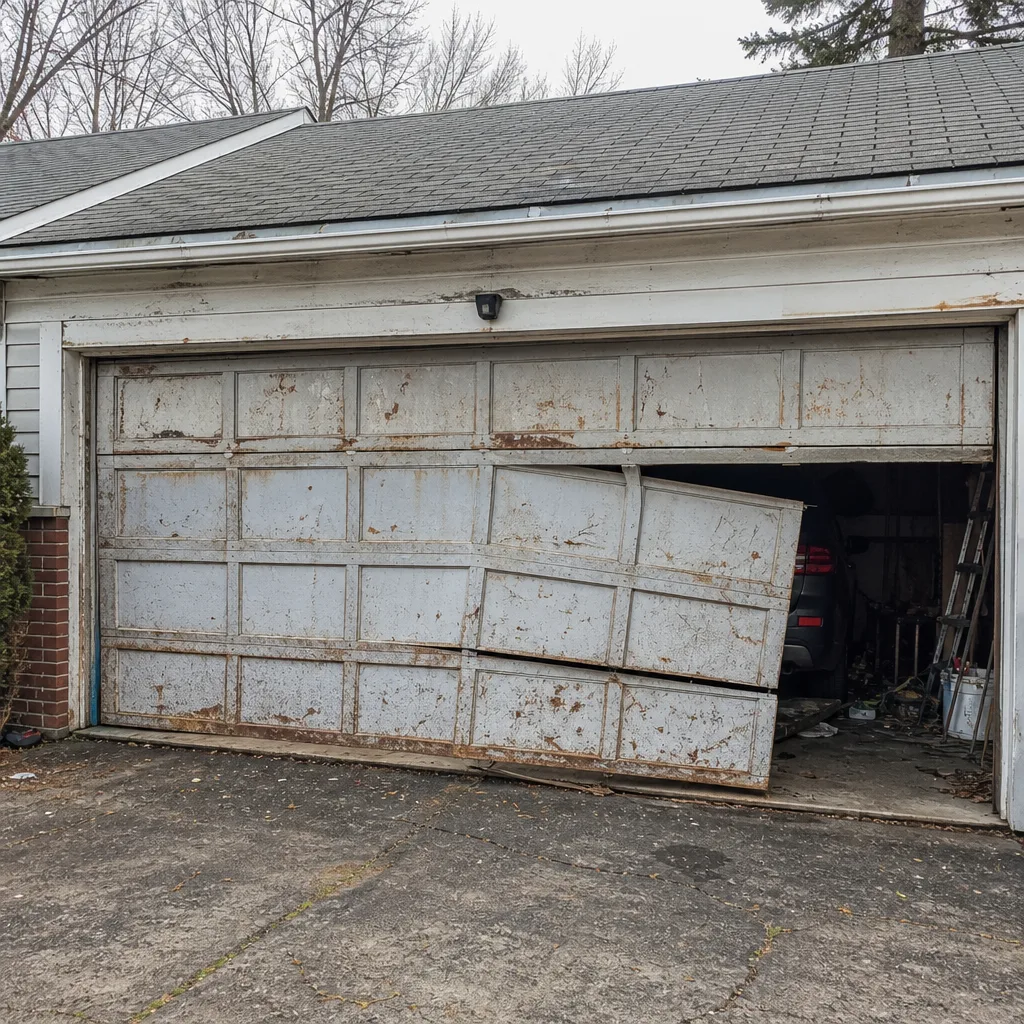 Before
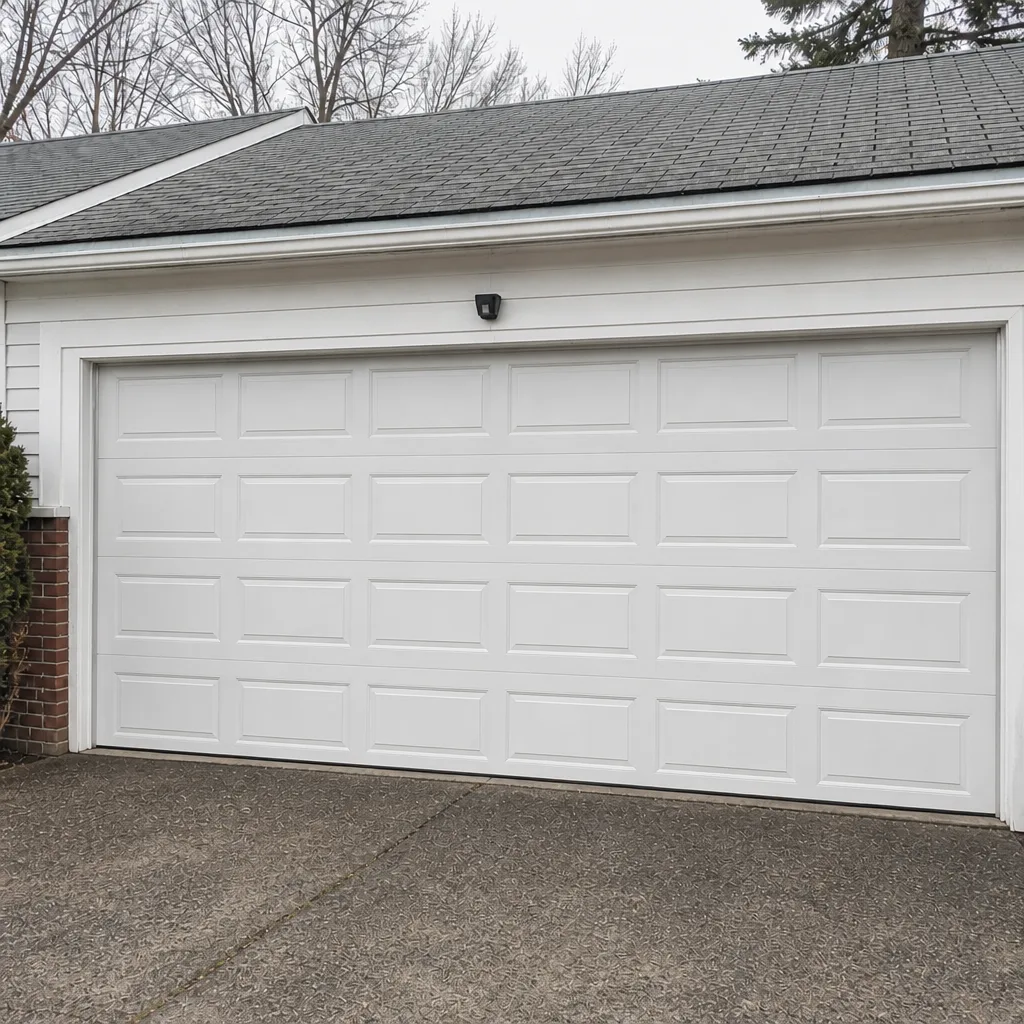 After
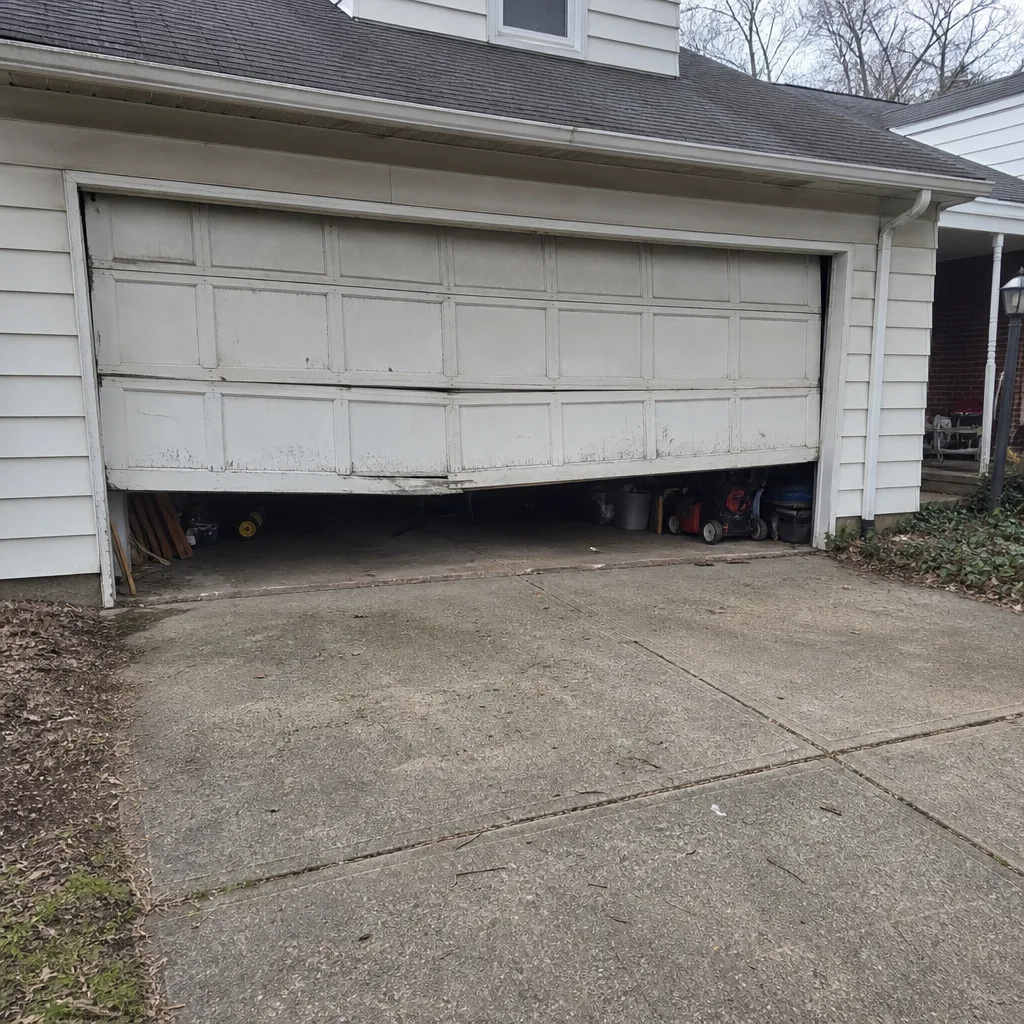 Before
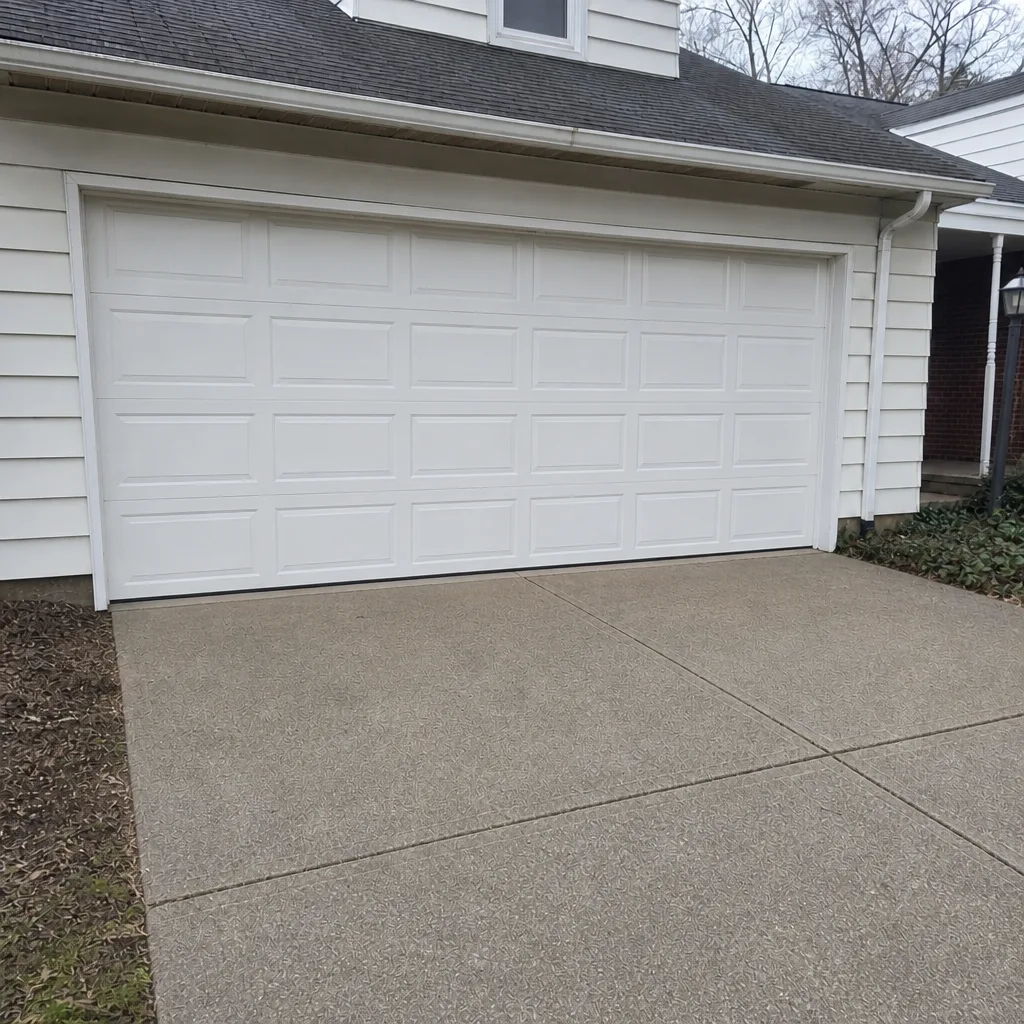 After
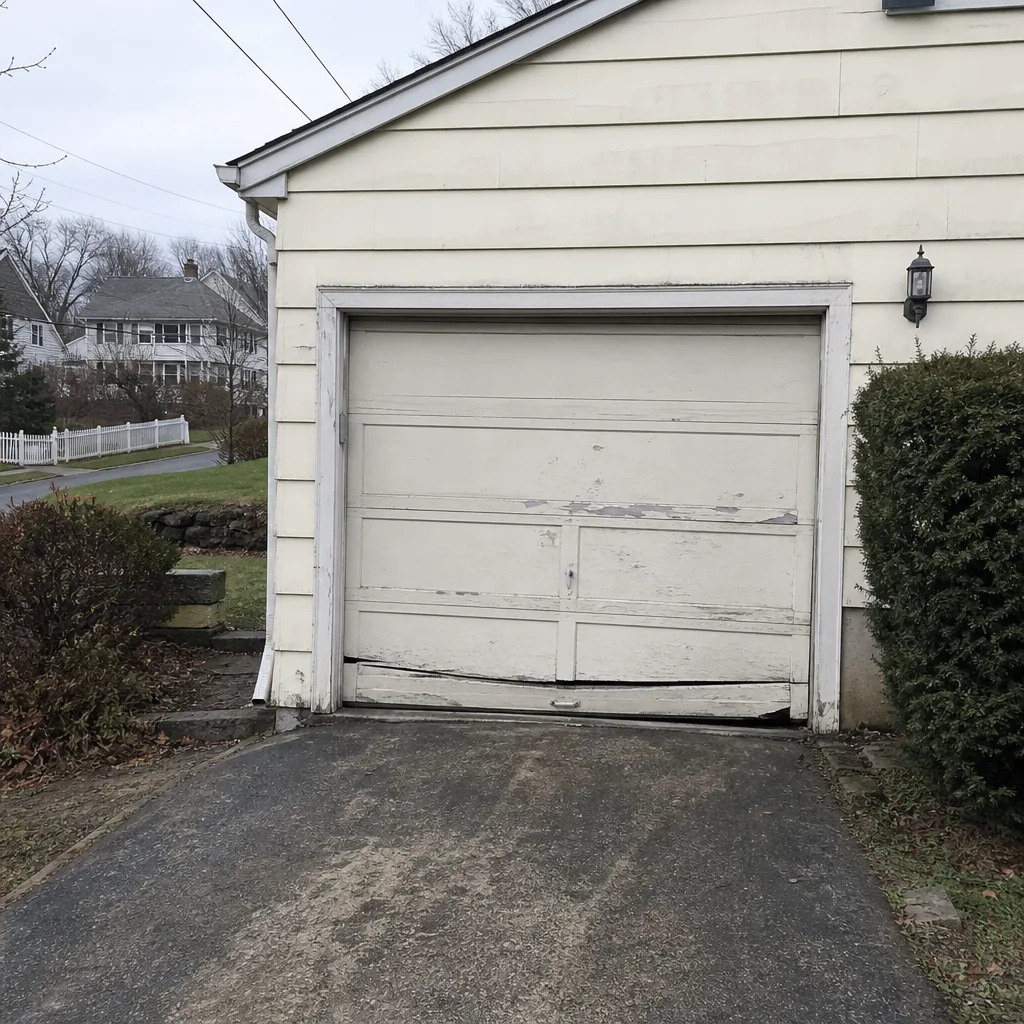 Before
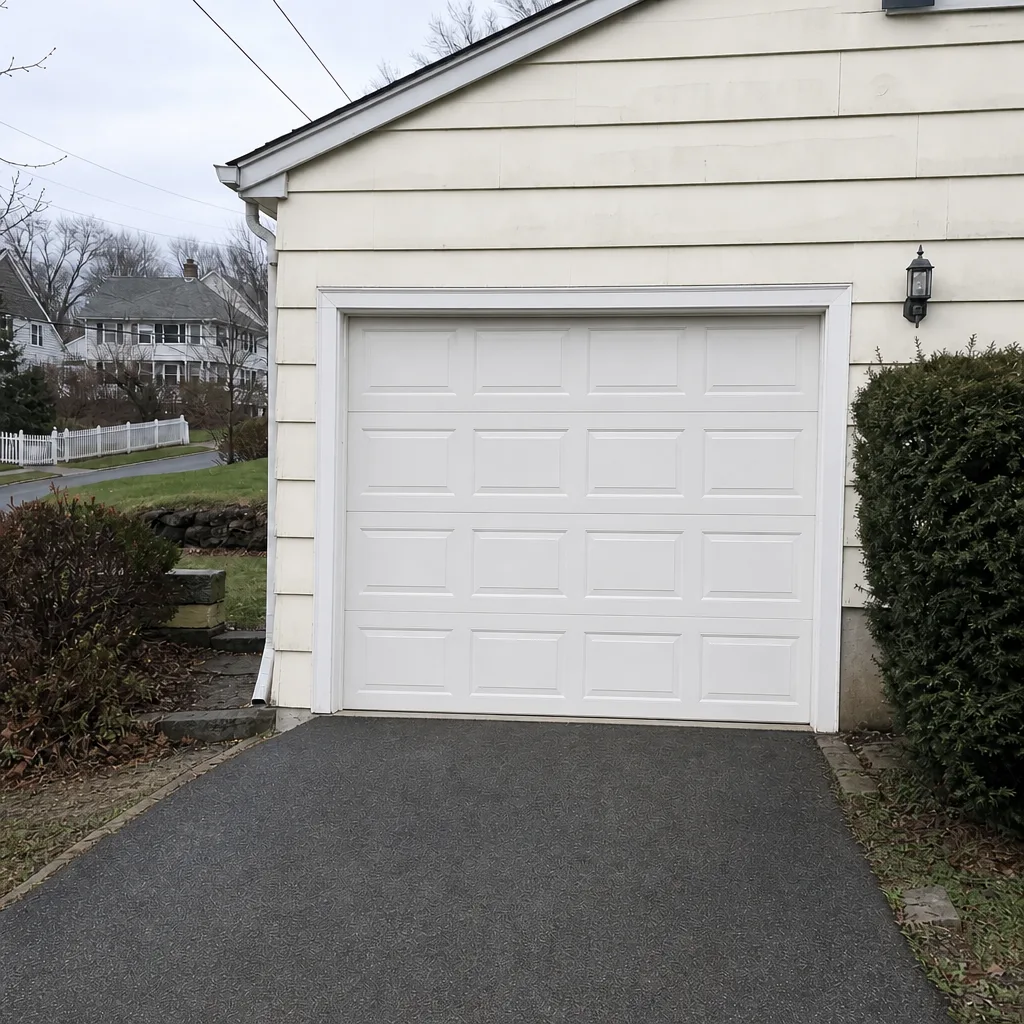 After
Frequently Asked Questions
Grinding while the door still moves usually points to seized or worn steel rollers, a bent or misaligned track, or a stripped drive gear inside the opener. It also signals a component wearing out, not a random noise, so it’s worth a professional look before it fails outright. Call (855) 814-3469 for a free estimate – estimates are free.
You can check the door’s balance by hand – the two-finger test with the opener released – but you should not check or adjust the spring tension itself. Springs hold stored energy and can cause serious injury if touched while under tension. Call a technician for any spring work. Call (855) 814-3469 for a free estimate.
On LiftMaster and Chamberlain units the flash count is a diagnostic code, and most of those codes point to the safety sensors at the bottom of the tracks. Check that both sensors face each other, are clean, and that no sun or obstruction is crossing the beam. If it still won’t close, the code tells the technician what to test next. Call (855) 814-3469 for a free estimate.
Yes. Freeze-thaw cycles move the framing and garage floor and stress the springs, and winter thickens lubricant so the door can bind. That’s why a fall lubrication and a spring inspection pay for themselves. If the door starts binding or reversing seasonally, call (855) 814-3469 for a free estimate.
It depends on the fault. Many Genie and Chamberlain failures are a gear, a sensor, or a programming issue that a repair fixes, while a tired, undersized, or non-smart unit may be worth replacing. A diagnostic visit with a written price usually makes the call clear. Call (855) 814-3469 for a free estimate.
Call (855) 814-3469. We answer 24/7, and we dispatch technicians from 7am to 7pm, Sunday through Friday, closed Saturday. A call outside dispatch hours is booked into the next opening. Do not try to force the door closed manually if a spring or cable is involved – a technician needs to assess it safely first. The price is set per job by the written estimate.
The Bottom Line
Troubleshooting a garage door works if you read it as a symptom-to-cause problem instead of guessing at the motor. Grinding, squealing, clicking, rumbling, silence, and hum-but-no-move each send you to a different component. You can safely run the two-finger balance test, lubricate, replace rollers, and check the safety sensors – that alone prevents a good share of repairs. What you should never touch is a spring or a cable. Those are the safety-critical parts, and they’re where a technician earns their place. West Hartford’s freeze-thaw winters make the balance test and a fall lubrication especially worthwhile. From opener to panel, we cover both sides of the door system so you don’t need two vendors. Our technicians have up to 12 years of experience with LiftMaster, Chamberlain, Genie, Clopay, Amarr, Wayne Dalton, Craftsman, and Raynor systems. When the door tells you something’s wrong, we’re a call away.
Contact West Hartford Garage Door Repair
If a symptom in this guide matches what your door is doing and you’d rather skip the guesswork, call West Hartford Garage Door Repair at (855) 814-3469 for a free estimate. Our technicians have up to 12 years of experience diagnosing and repairing the brand you already have – springs, cables, tracks, panels, and openers alike – with full-service coverage from emergency repairs to complete new-door installation. We answer 24/7. Fast dispatch from 7am to 7pm, Sunday through Friday, closed Saturday. The price is quoted and agreed with you before any work starts, so the written estimate is the price. Installed right, built to last.
Written by the team at West Hartford Garage Door Repair.